Whether a plant is undesirable often depends on the site goals. A species that is a nuisance in a yard may still benefit wildlife habitat, erosion control, or pollinators in a natural area.
In residential regenerative landscapes and stormwater earthworks, early removal of saltcedar, Russian thistle, foxtail barley, cheatgrass, mesquite seedlings, and juniper seedlings generally provides the greatest long-term maintenance benefit.
Note: Evaluate volunteer vegetation before removal. Some naturally occurring native species may help stabilize soil, support pollinators, or contribute to ecological succession.
Contents:
- Invasive Aggressive Grasses
- Invasive Broadleaf Weeds
- Thistle Identification
- Invasive Woody & Shrub Species
Nuisance Natives
- Weedy, Aggressive, or "Problematic" Natives
- Thorny, Spiny, or "Poky" Natives
- Foxtails
Invasive Aggressive Grasses
| Species | Key Identification Features | Why It Is a Concern |
|---|---|---|
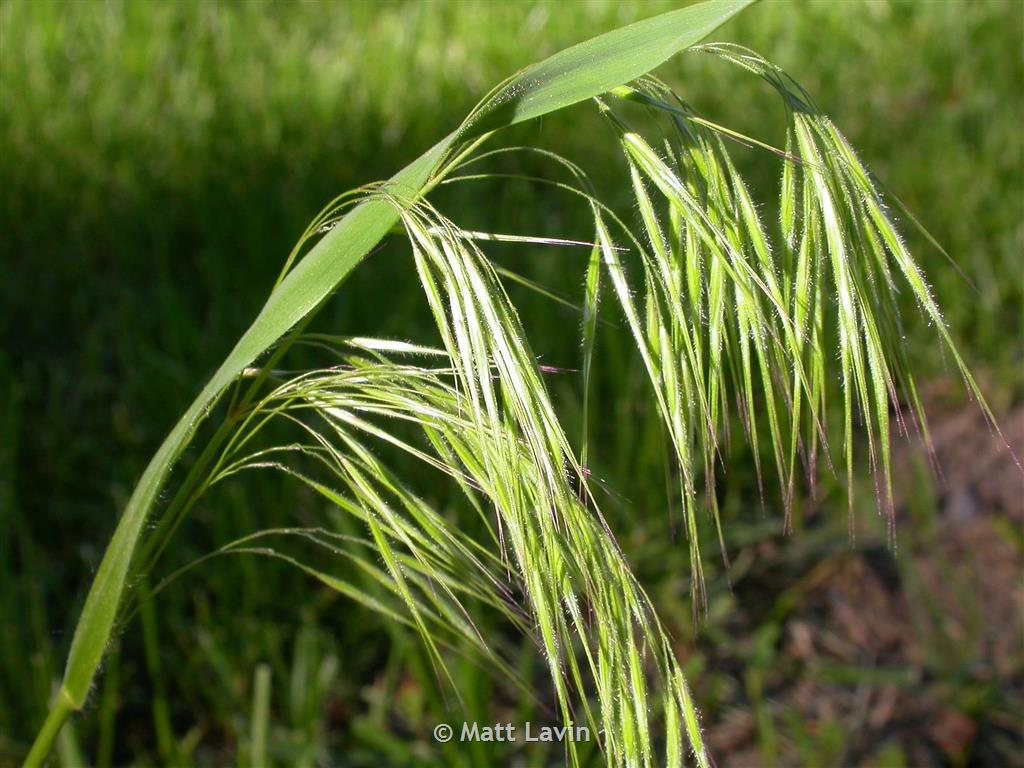
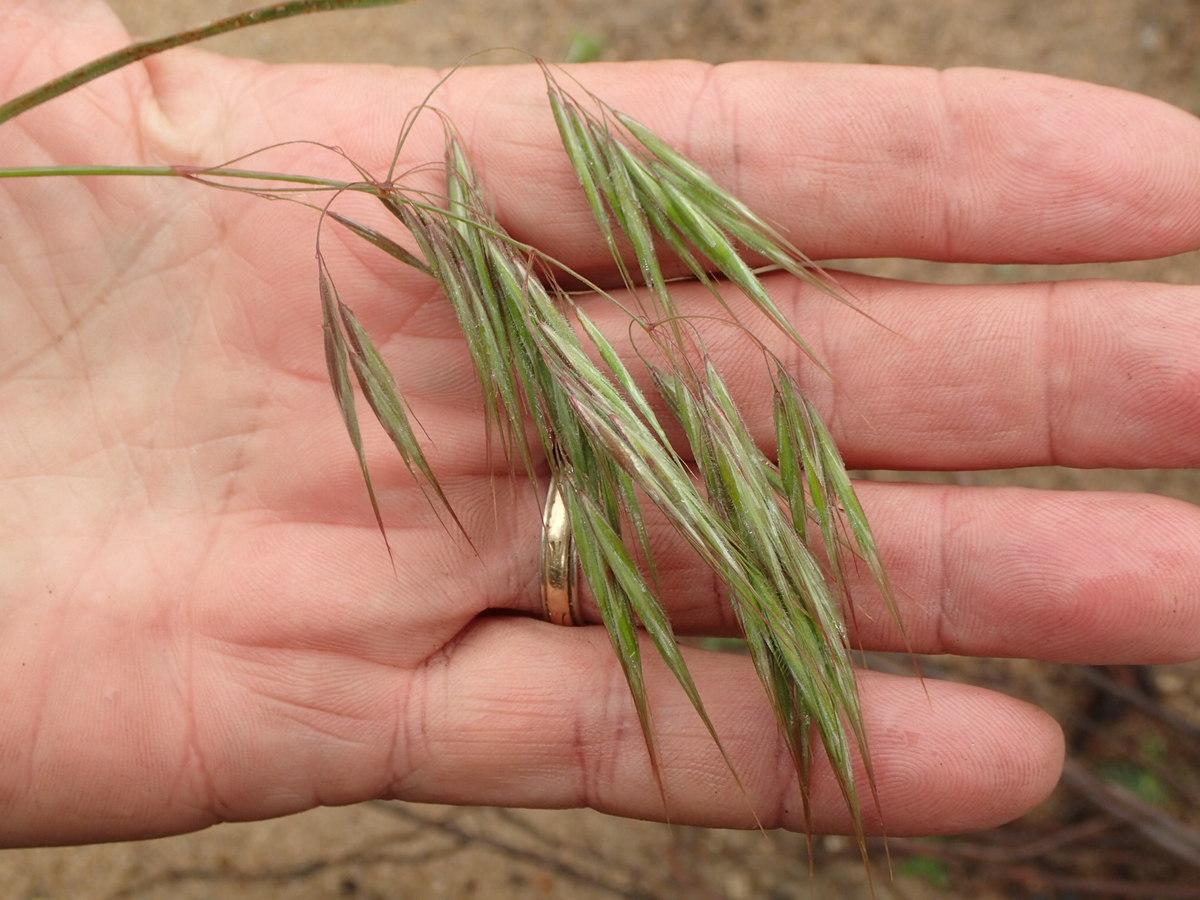
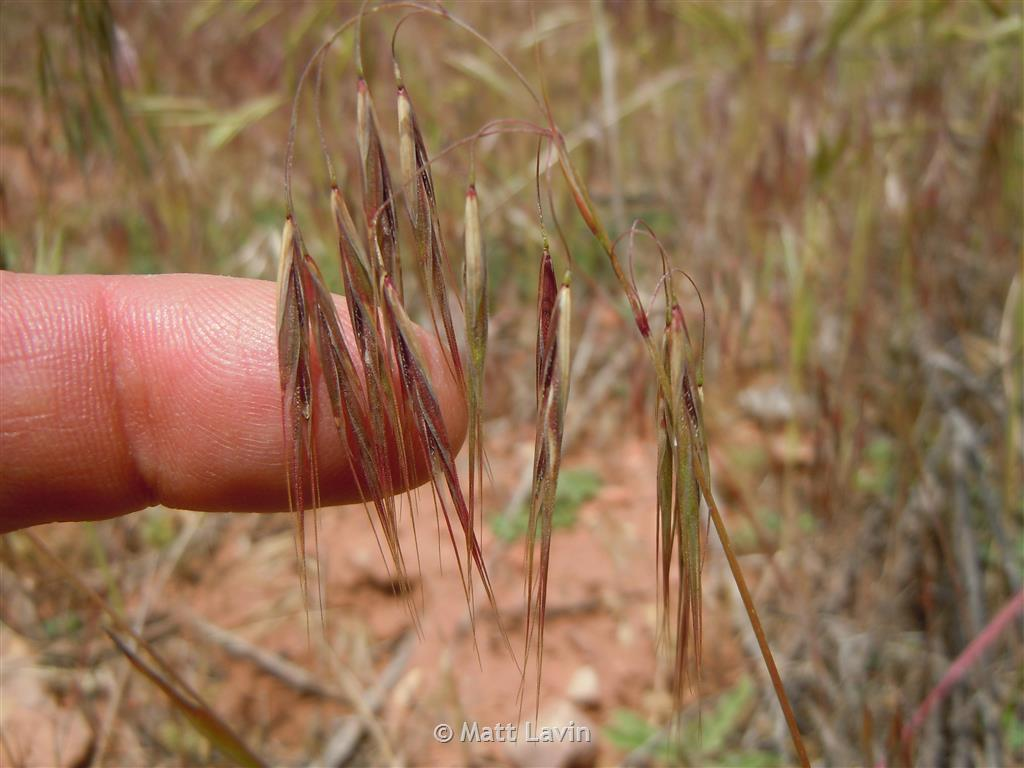
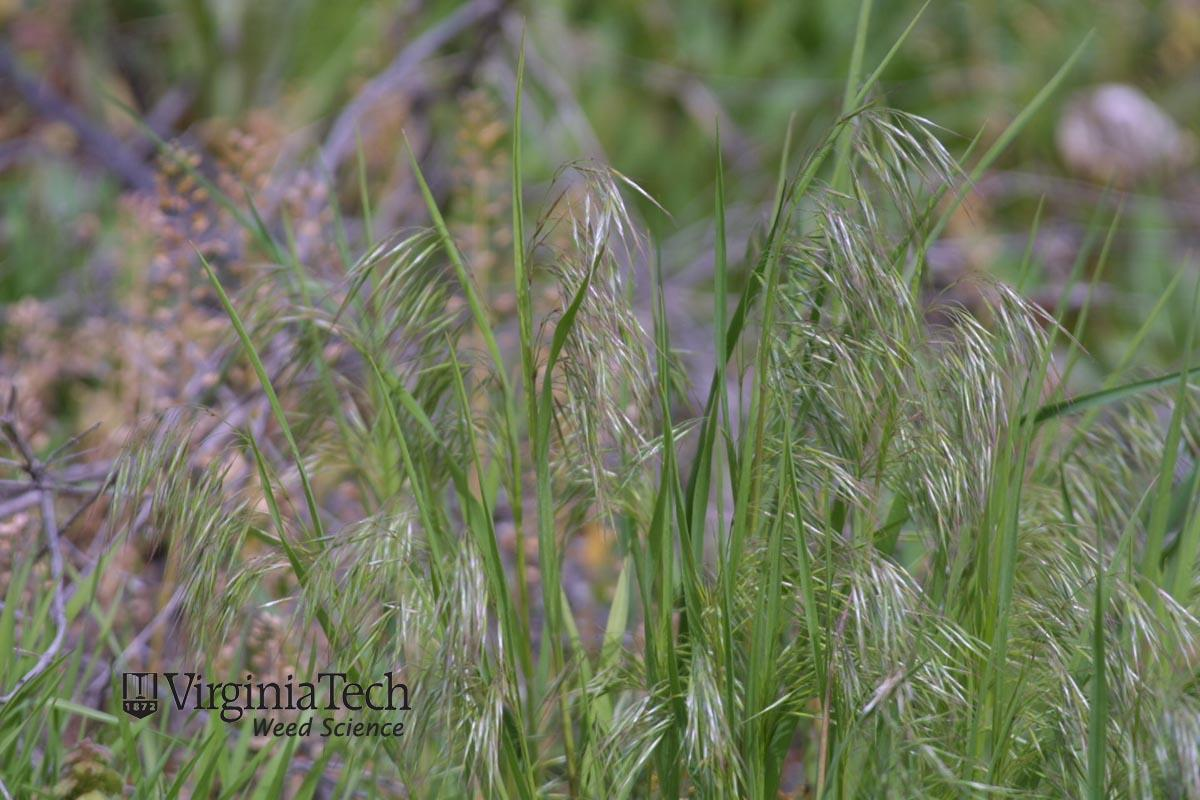
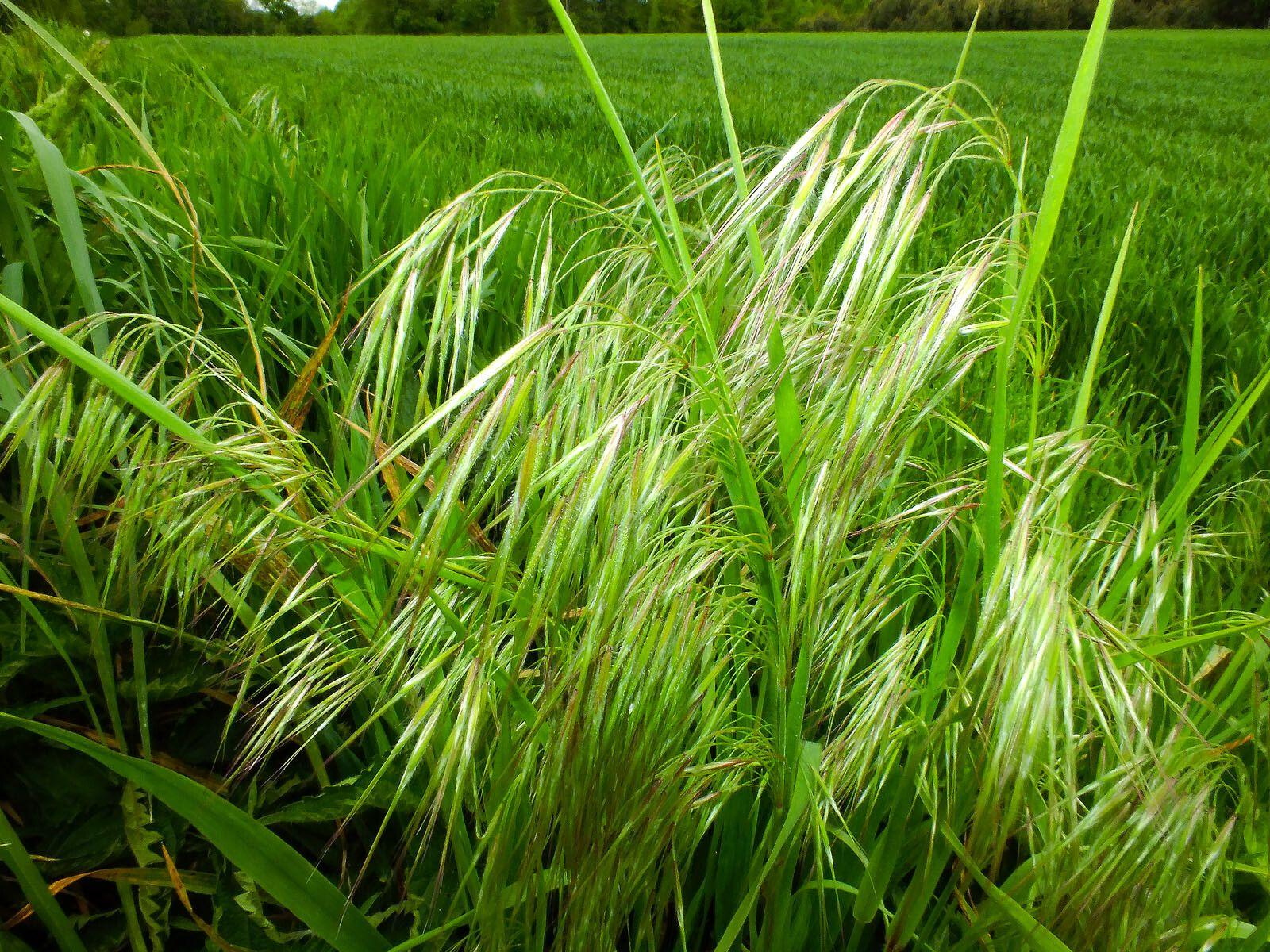
Cheatgrass (Bromus tectorum) | Fine-textured annual grass with soft leaves and drooping seed heads. Turns from green to tan or reddish-brown early in the growing season, often creating large patches of dry vegetation. (2-24 inces) | Invasive annual grass associated with disturbed soils. Creates continuous fine fuels that significantly increase wildfire frequency and intensity while displacing native vegetation. |
|
|
|
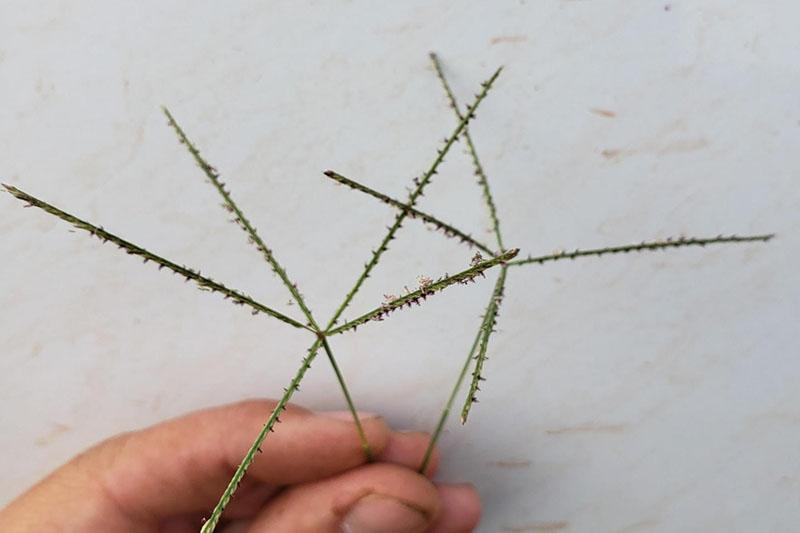
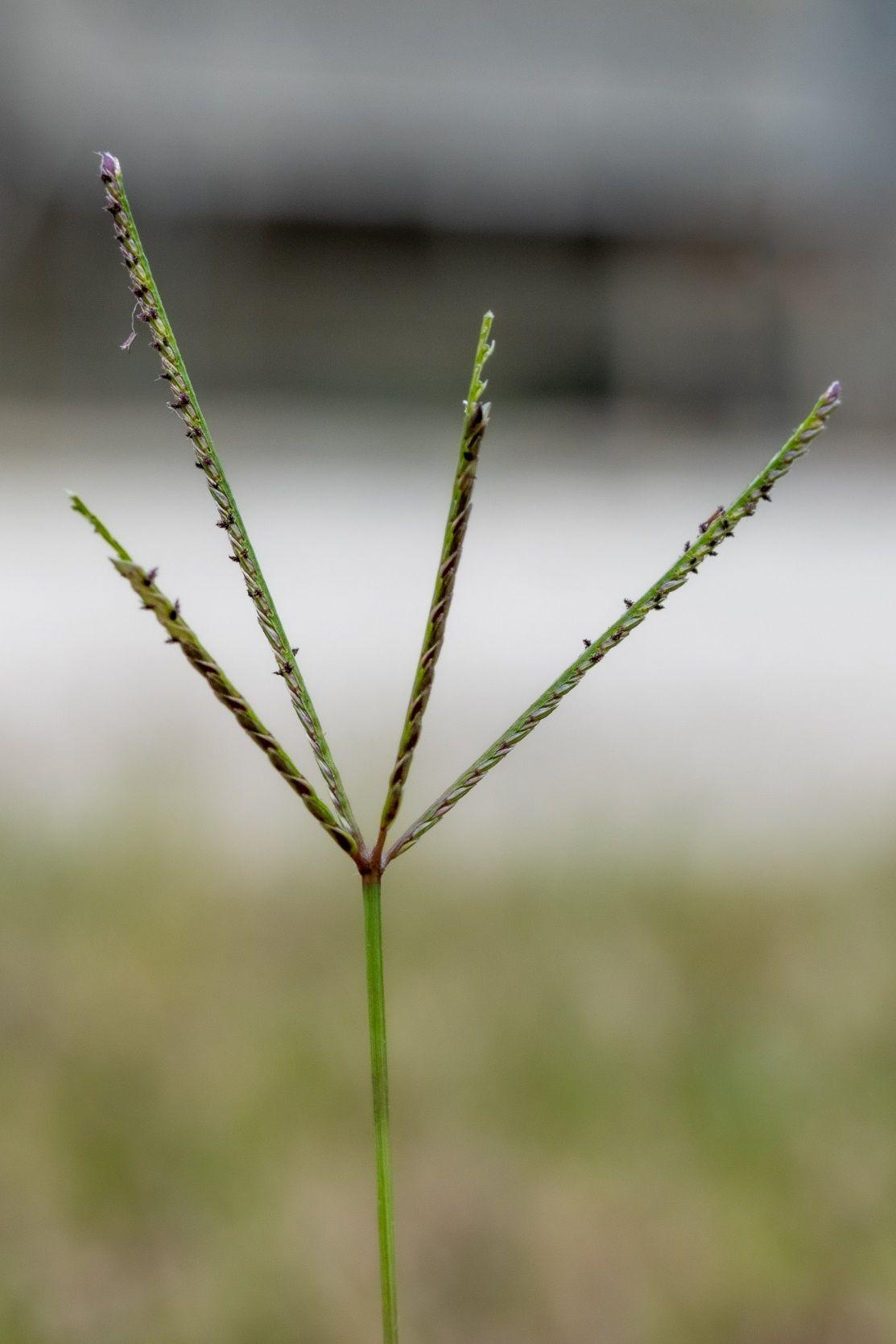
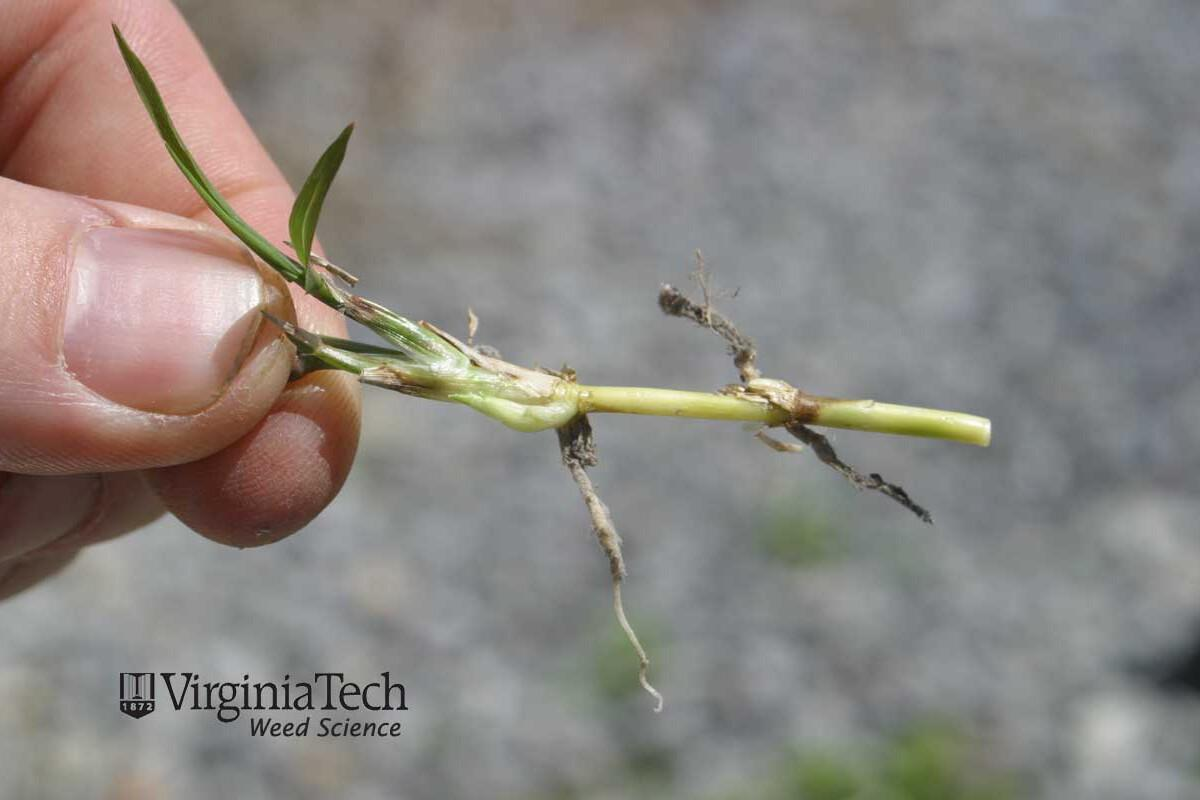
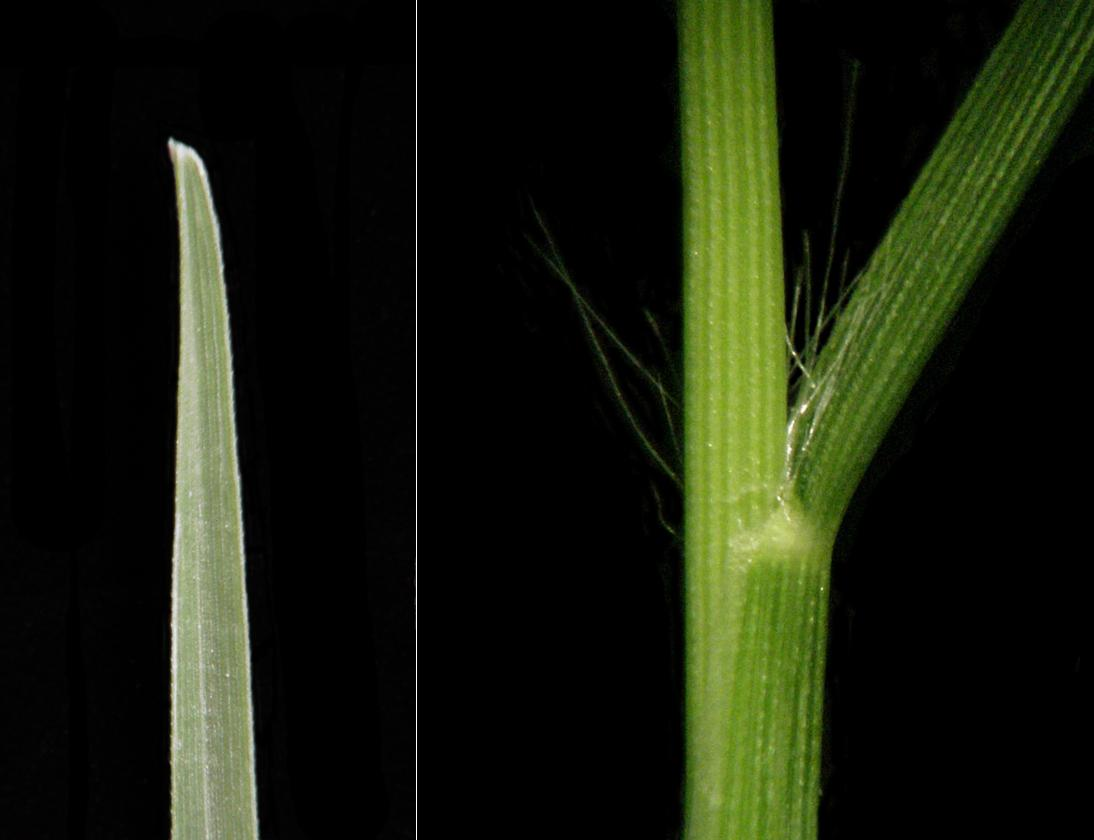
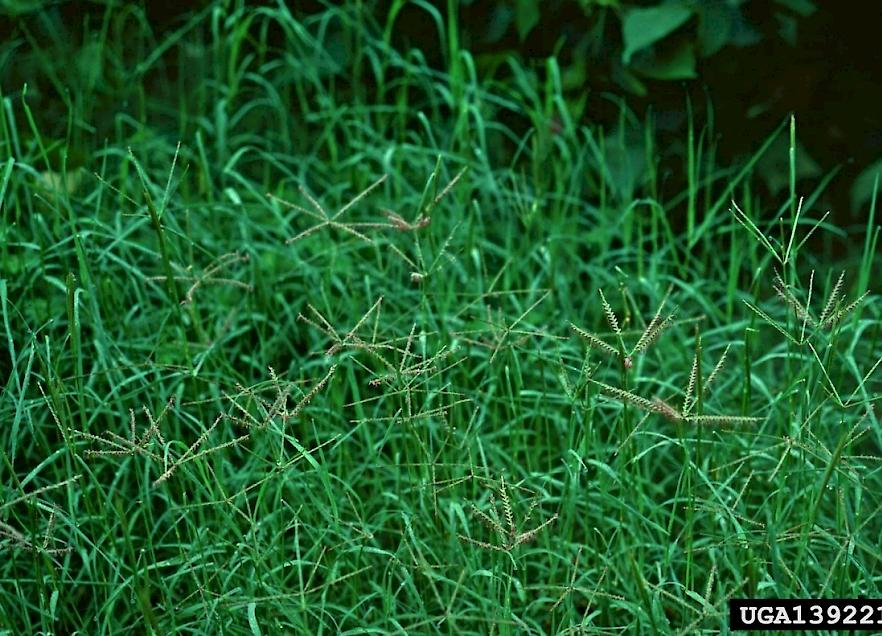
| Bermuda Grass (Cynodon dactylon) | Low-growing (2-12 inces) perennial grass with fine gray-green blades. Spreads by above-ground stolons and underground rhizomes, forming dense mats. Seed heads consist of 3–7 finger-like spikes radiating from a central point. | Spreads aggressively by rhizomes, stolons, and seed. Difficult to remove from planted areas, garden beds, and revegetation projects due to its extensive root system and rapid regrowth. |
|
|
|
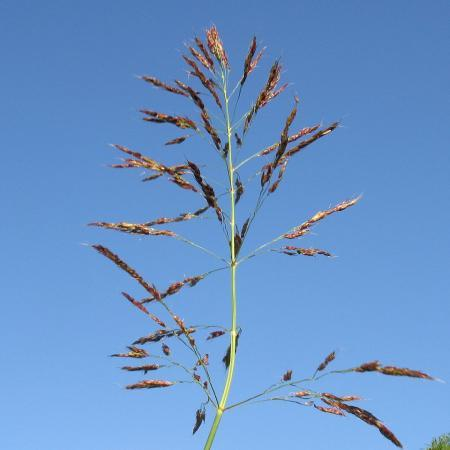
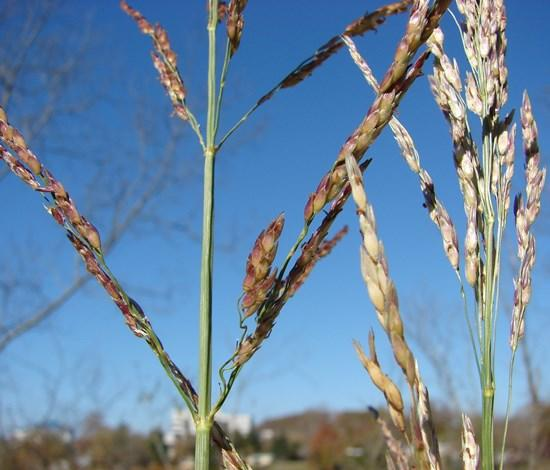
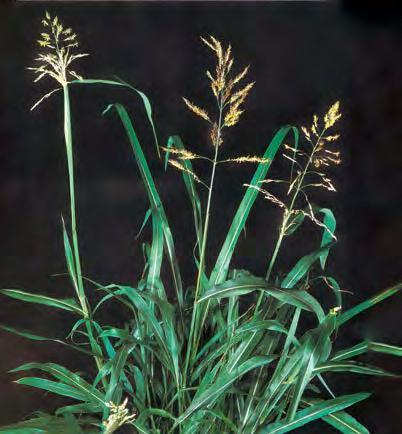
Johnsongrass (Sorghum halepense) | Tall perennial grass, typically 3–8 feet tall, with broad leaves, prominent white midrib, and large open seed heads that often have a reddish-purple tint. | Highly invasive grass that spreads by both seed and rhizomes. Competes aggressively for water and nutrients and can quickly dominate disturbed sites, drainage channels, and planting areas. |
|
|
|
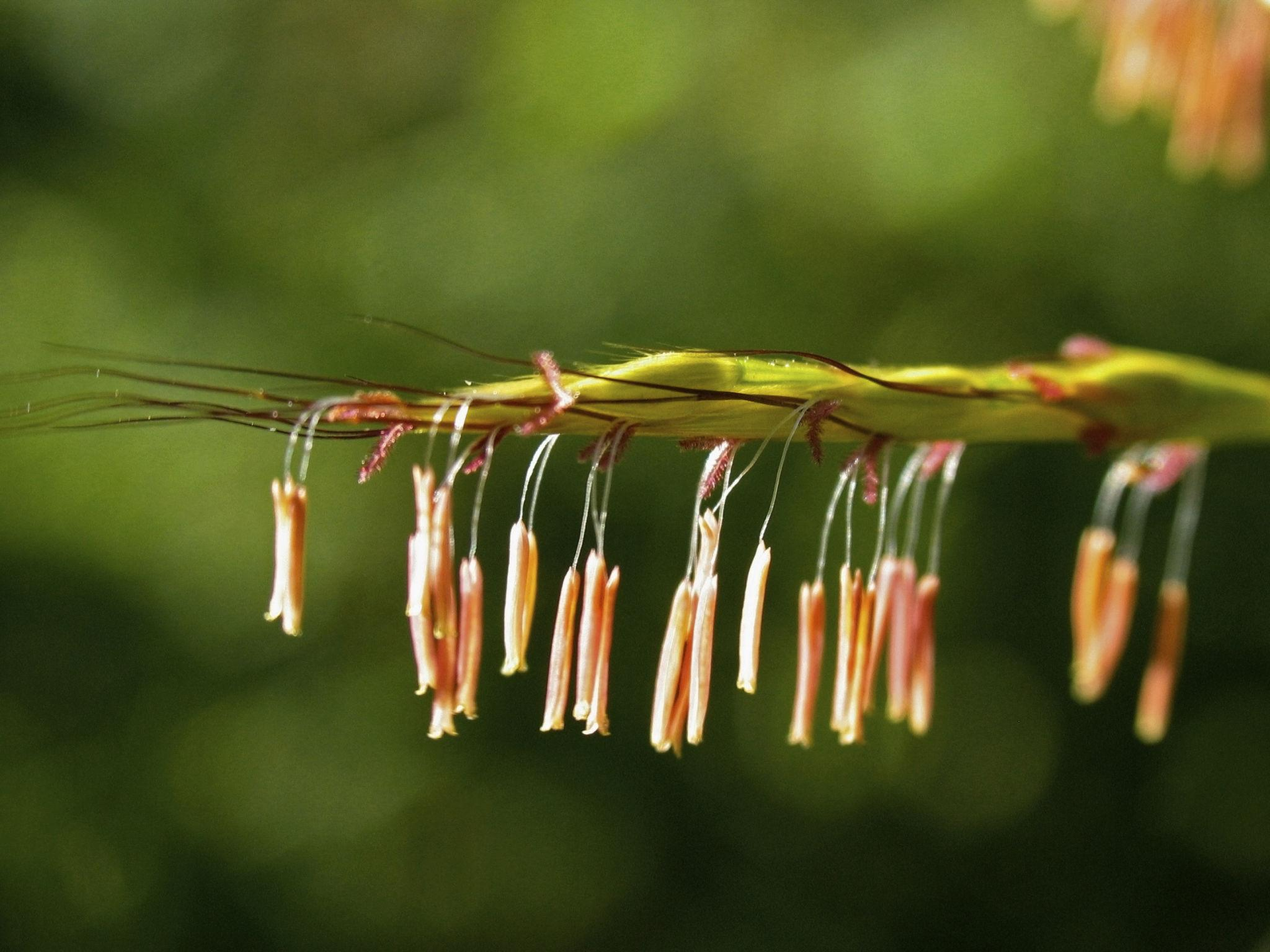
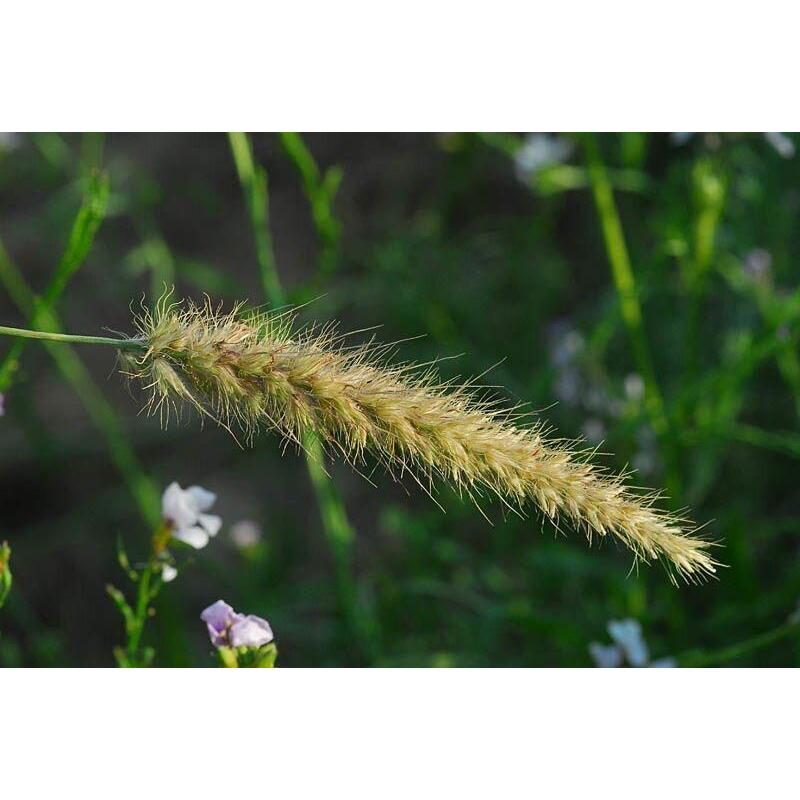
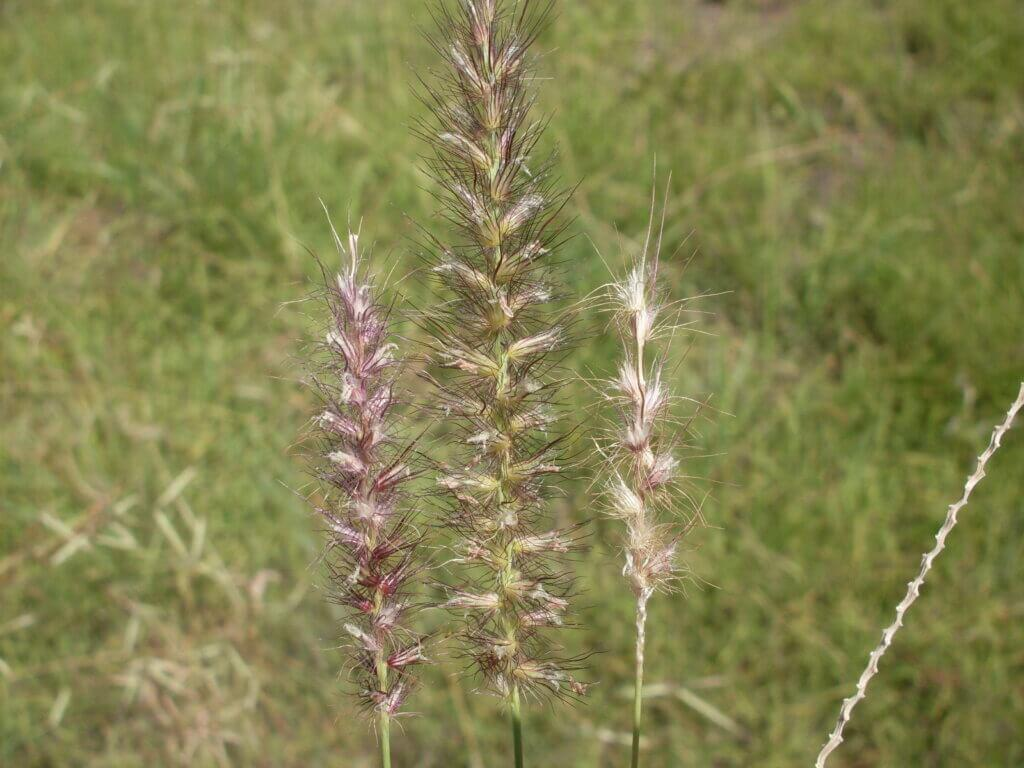
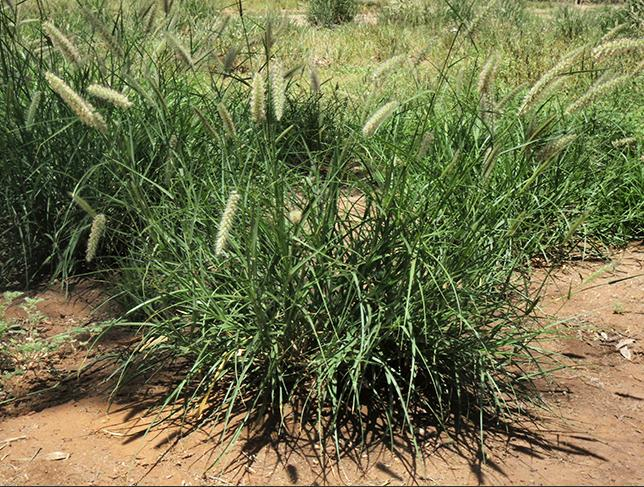
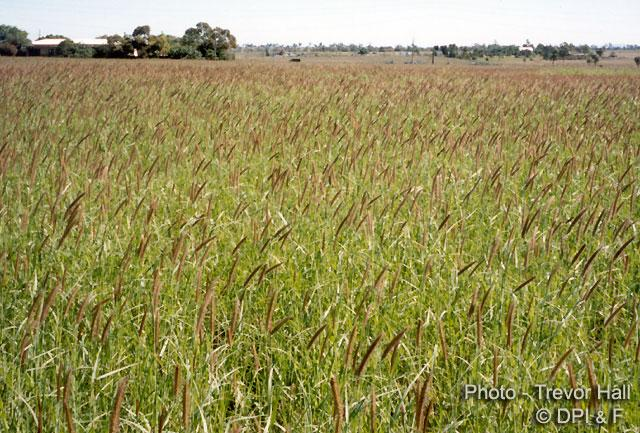
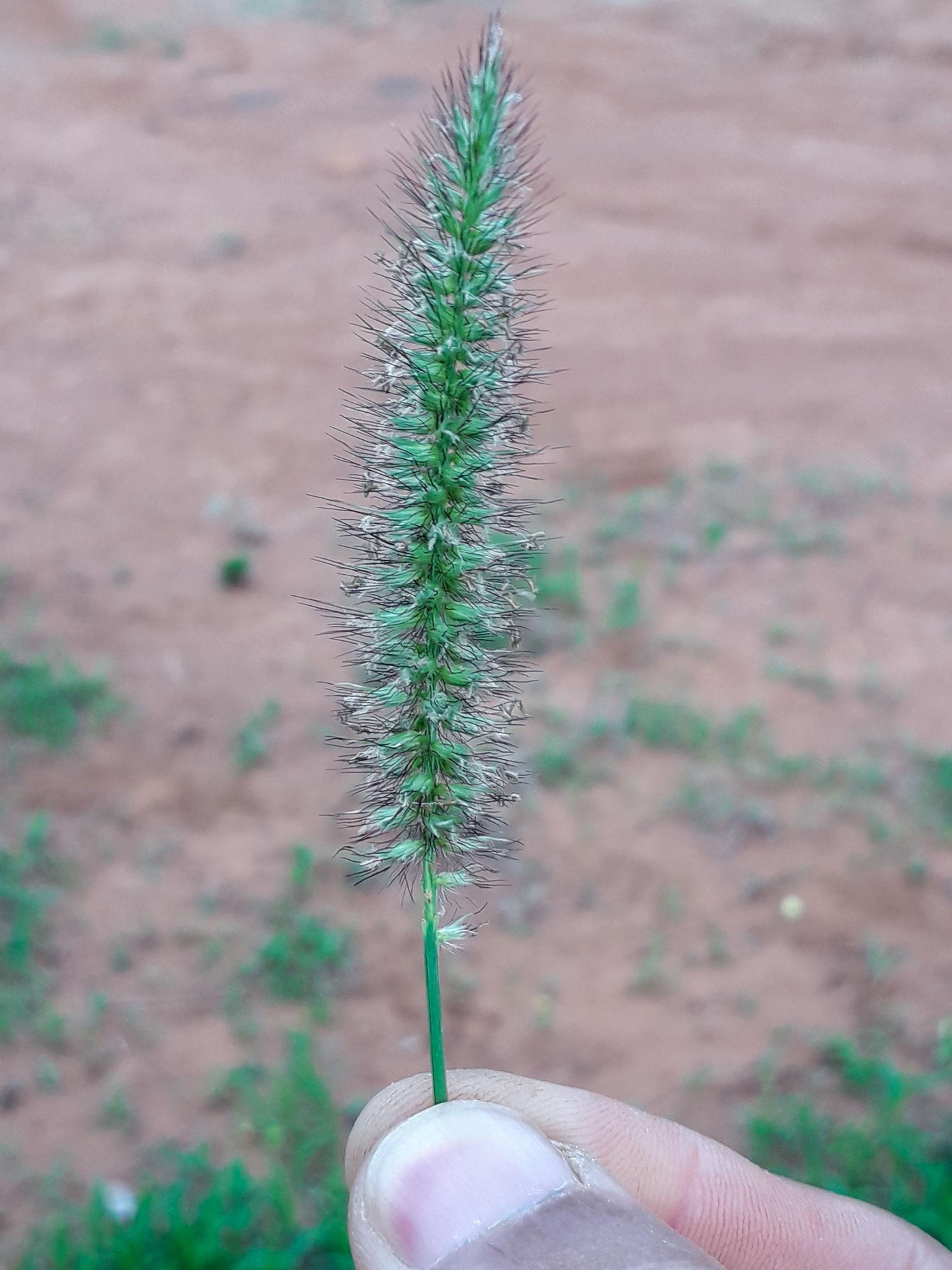
Buffelgrass (Cenchrus ciliaris) | Bunchgrass with gray-green leaves and distinctive cylindrical, fuzzy seed heads that range from tan to purple. Forms dense clumps and persists through drought conditions. (2-4 feet tall large, dense bunches) | An increasing concern in arid Southwest ecosystems because it spreads aggressively, outcompetes native plants, and can dramatically alter fire behavior by creating continuous fuel loads in areas that historically burned infrequently. |
|
|
|
Broadleaf Weeds
| Species | Key Identification Features | Why It Is a Concern |
|---|---|---|
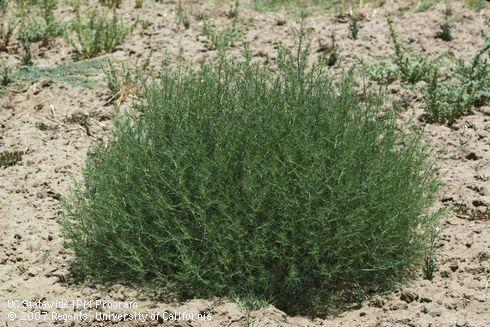
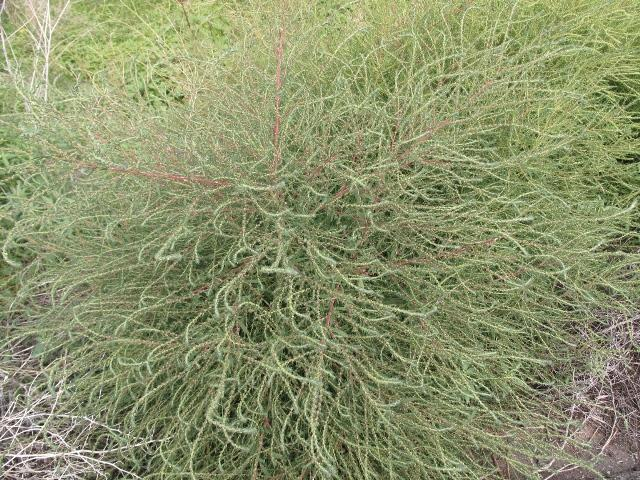
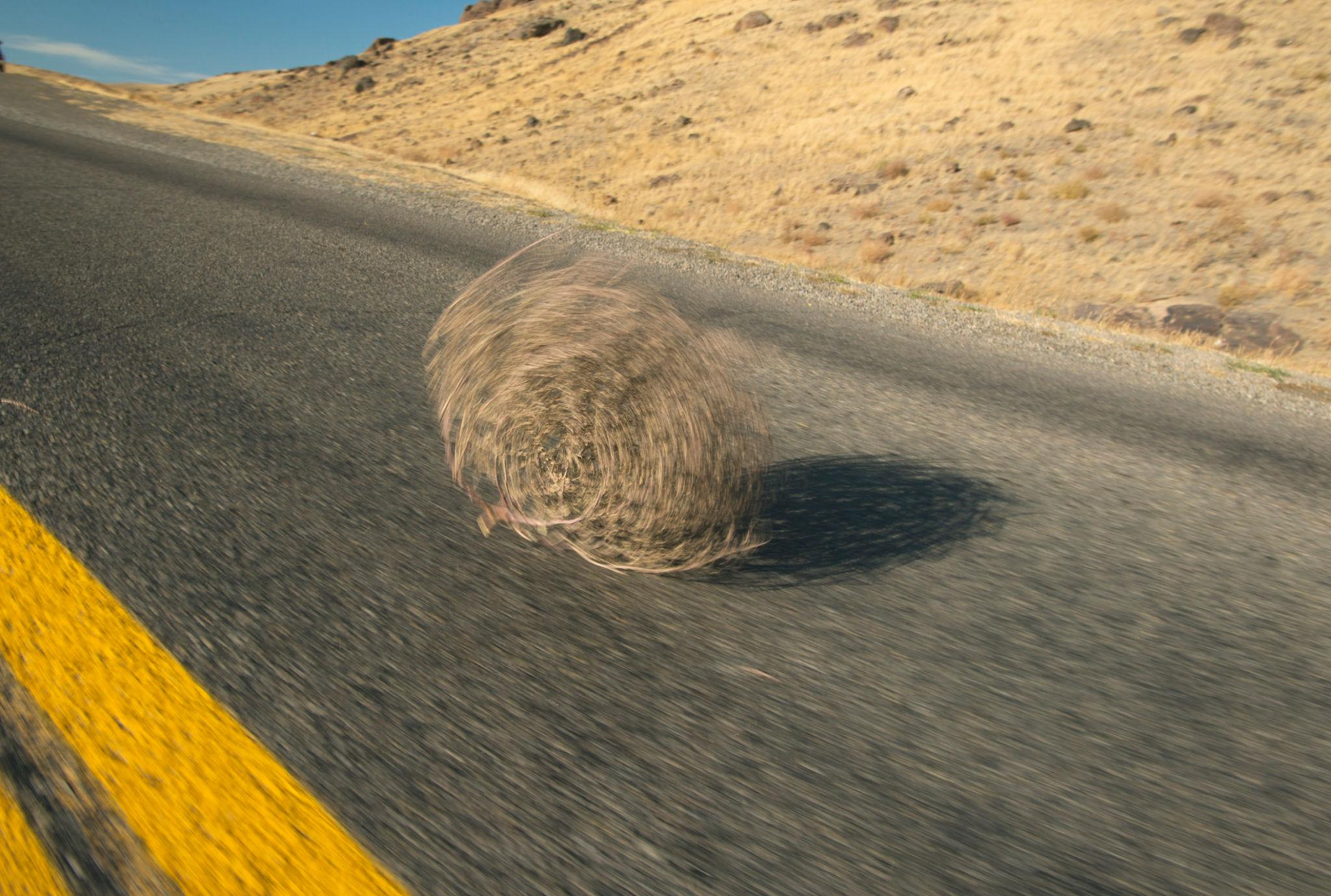
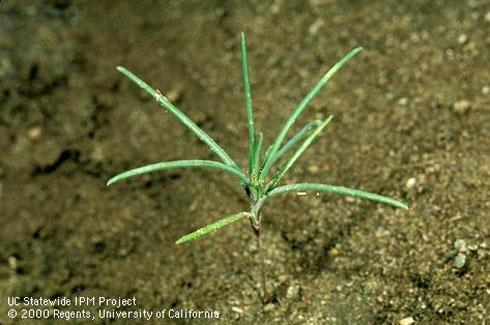
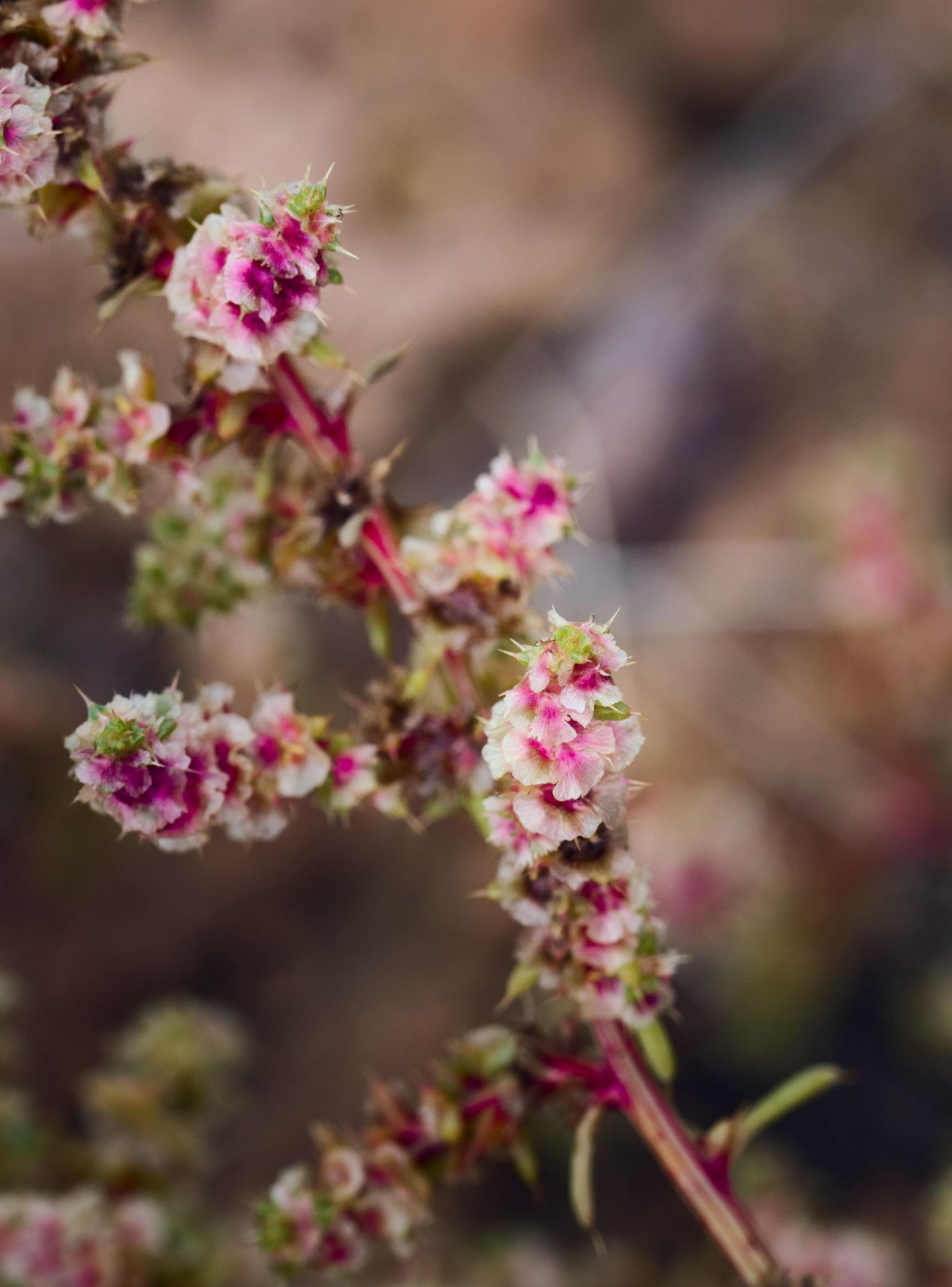
| Russian Thistle (Salsola tragus) or Tumbleweed | Rounded, highly branched annual plant with narrow leaves that become spiny as it matures. Dries into the classic tumbleweed that breaks off and rolls in the wind. | Common tumbleweed that quickly colonizes disturbed soils, spreads large quantities of seed, and can create fire hazards. Tumbleweeds: The classic tumbleweed is usually Russian thistle, a non-native invasive species. Some native plants can break off and tumble, but they are generally not the iconic tumbleweeds associated with the Southwest. |
|
|
|
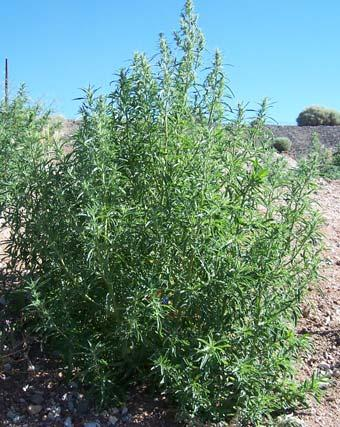
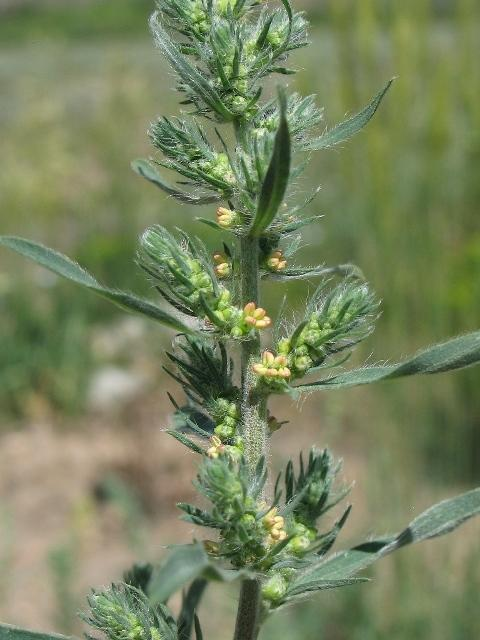
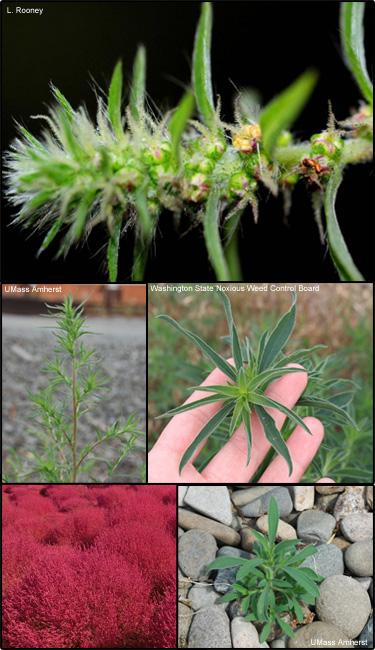
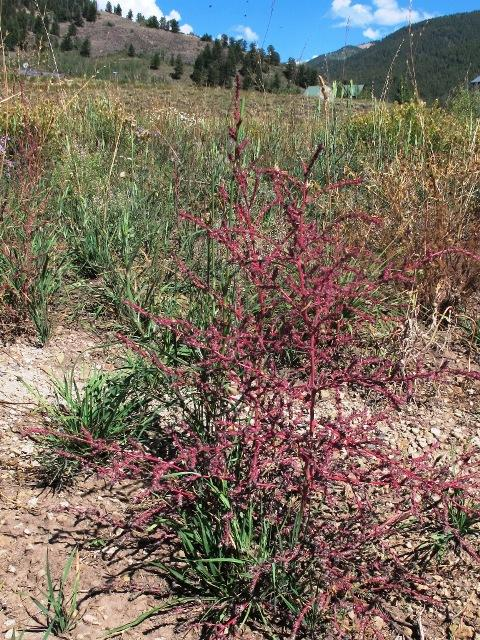
Kochia (Bassia scoparia) | Upright, bushy annual with soft narrow leaves and many stems arising from the base. Often turns red or purple in the fall. | Fast-growing annual weed tolerant of drought, saline conditions, and poor soils. Can rapidly dominate disturbed areas and produce large seed banks. |
|
|
|
Musk Thistle (Carduus nutans) | Large rosette of spiny leaves in the first year followed by tall stems with large, nodding purple flower heads. | Aggressive biennial thistle that reseeds heavily and can quickly infest open areas if not controlled before seed production. |
|
|
|
Bull Thistle (Cirsium vulgare) | Robust biennial with deeply lobed, spiny leaves covered in stiff hairs. Produces upright purple flower heads. | Often occurs at low enough density to control by hand digging, but can spread rapidly if allowed to set seed. |
|
|
|
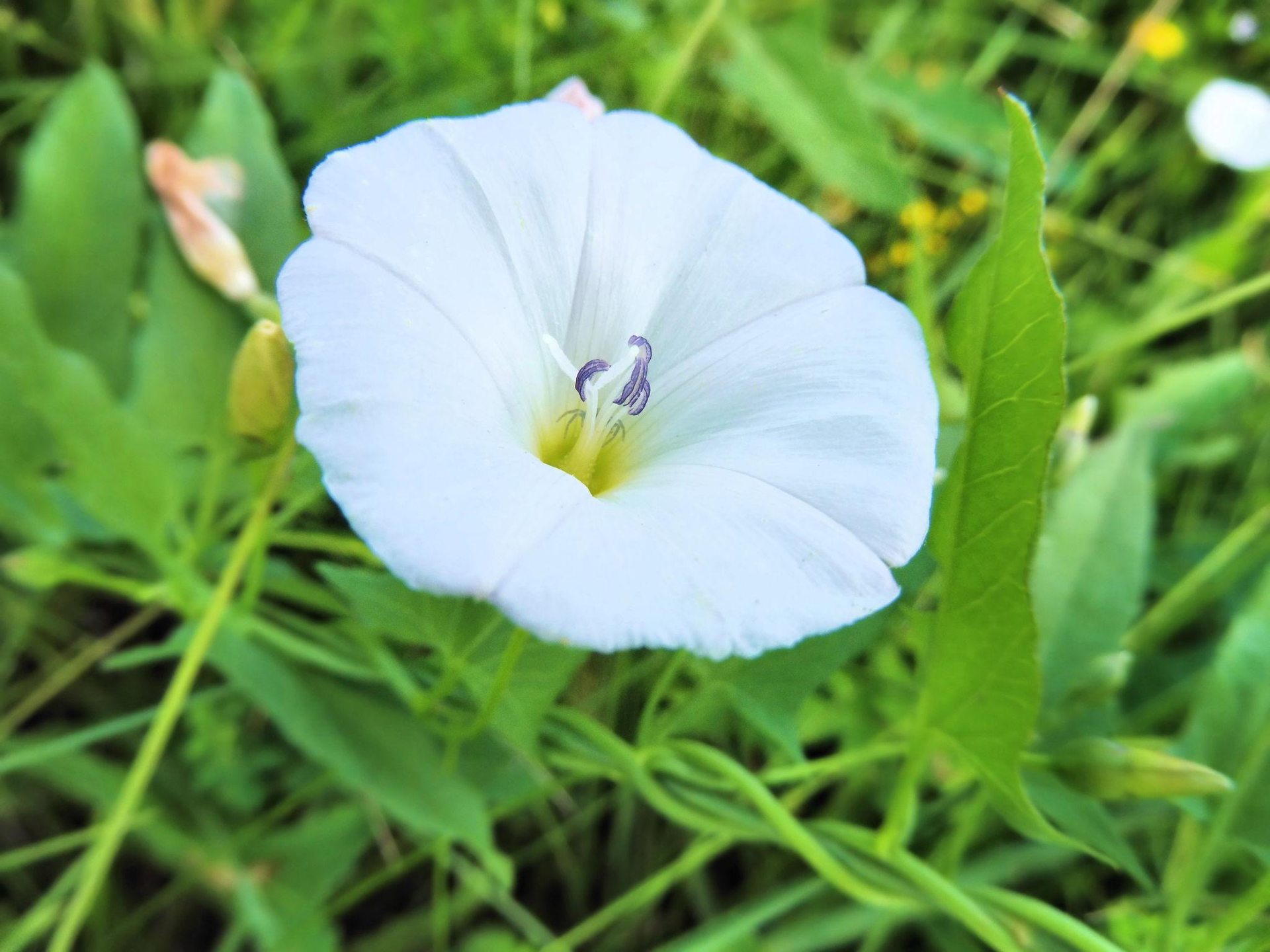
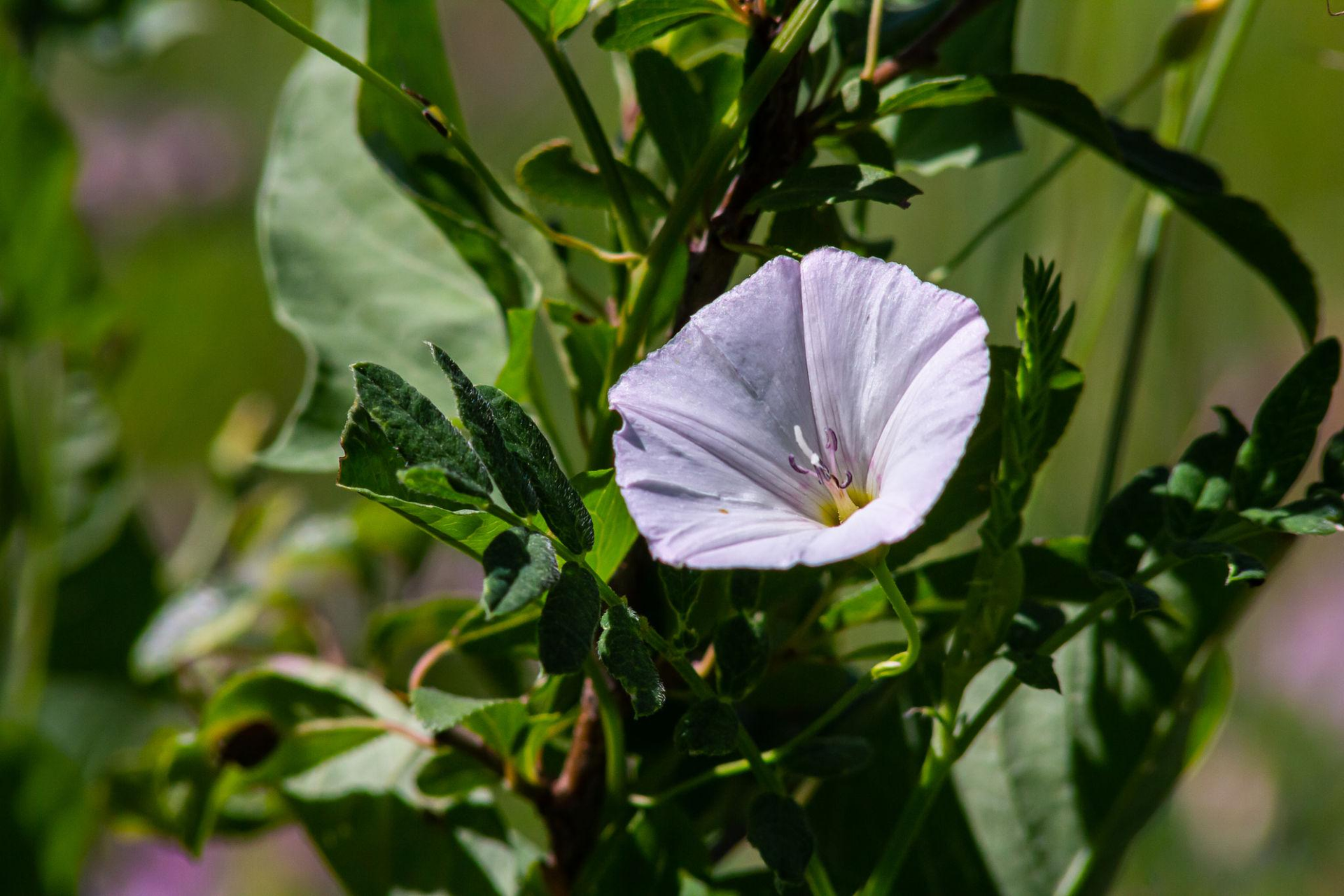
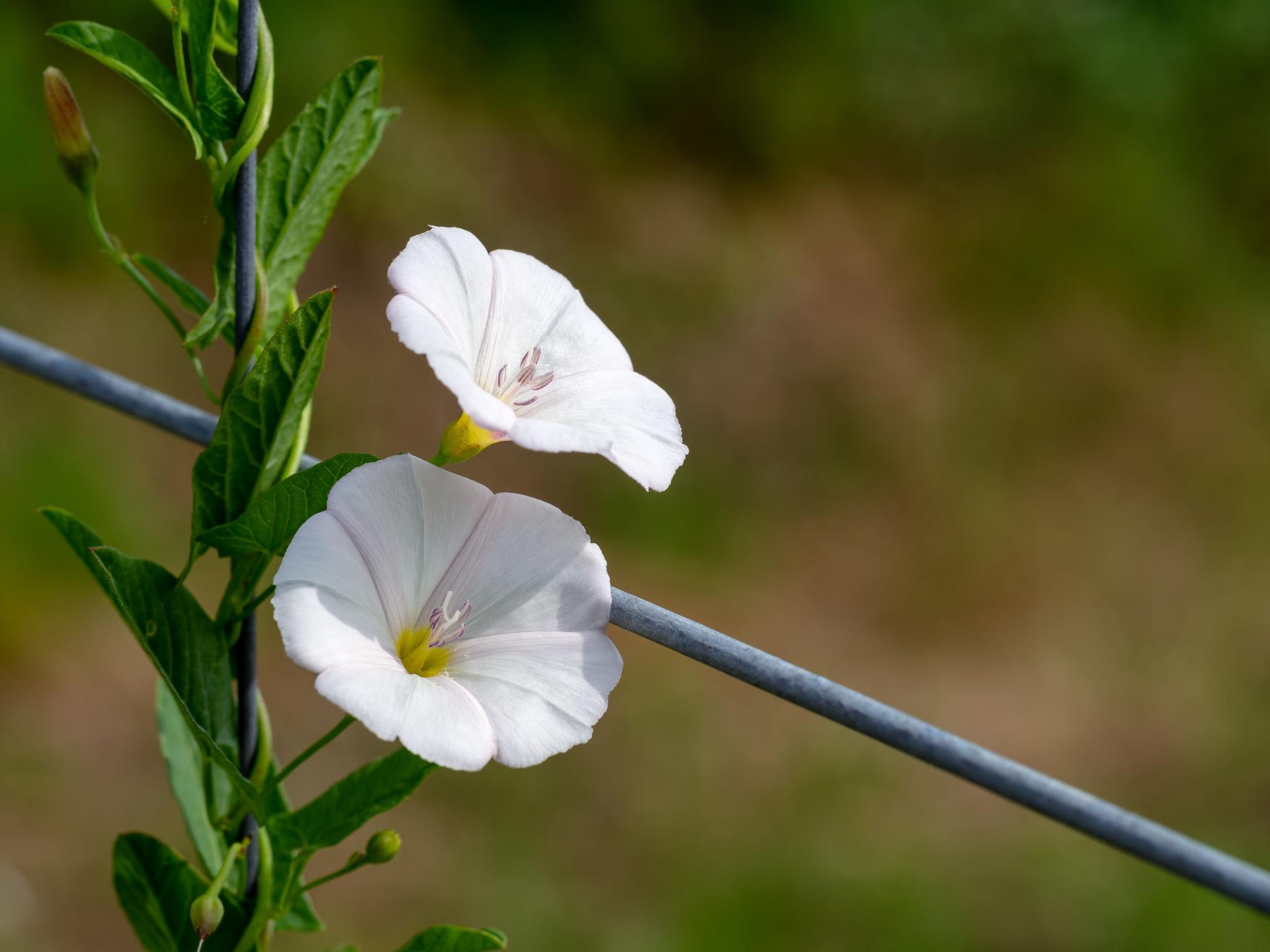
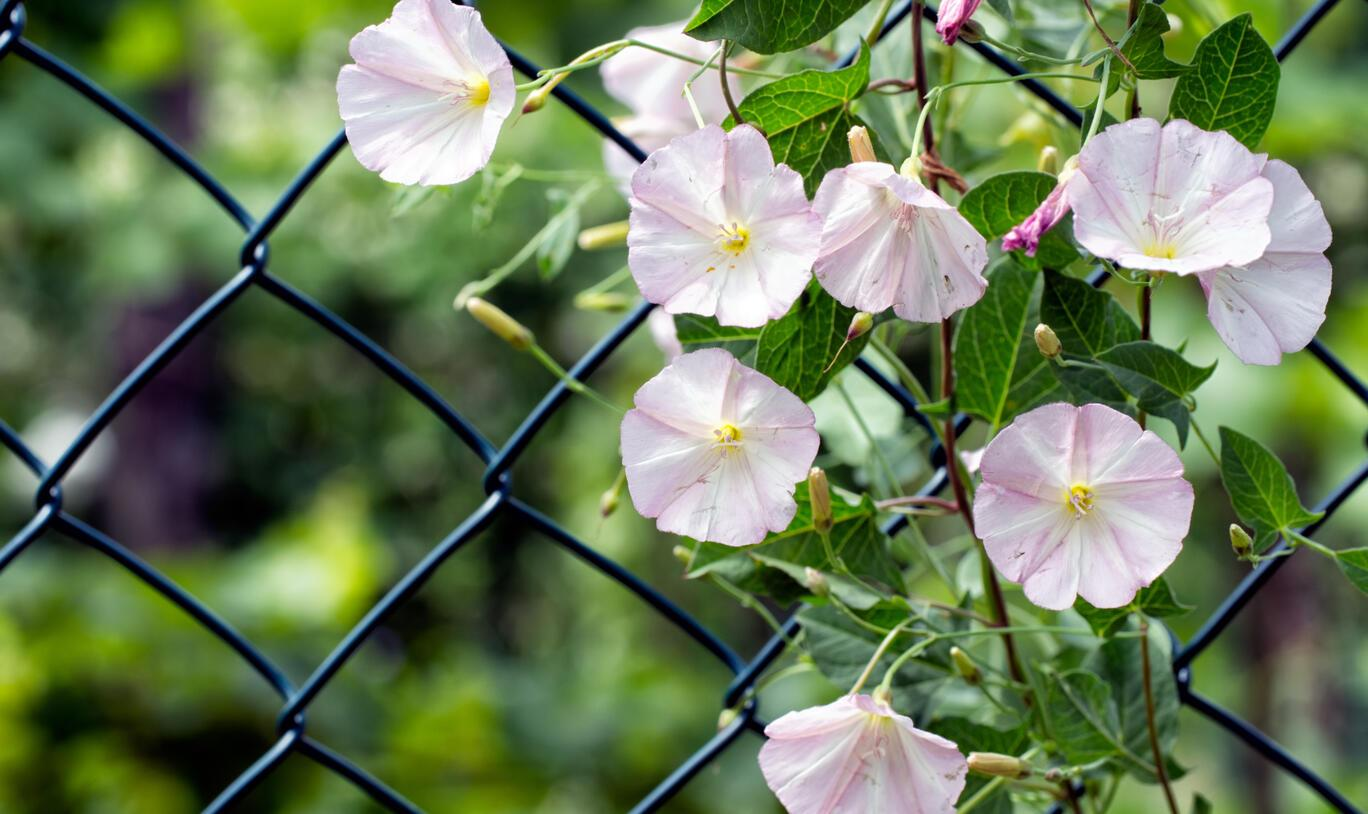
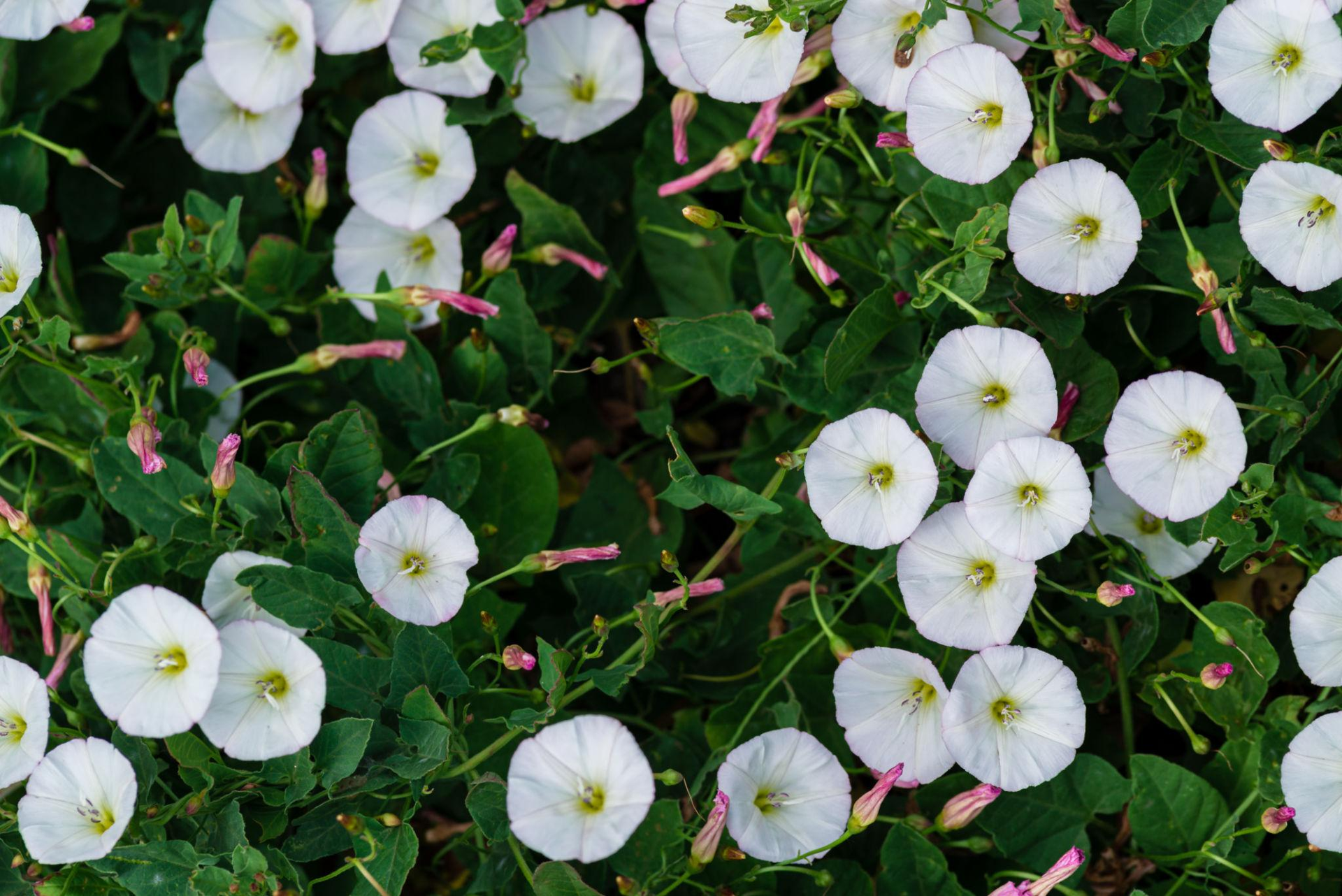
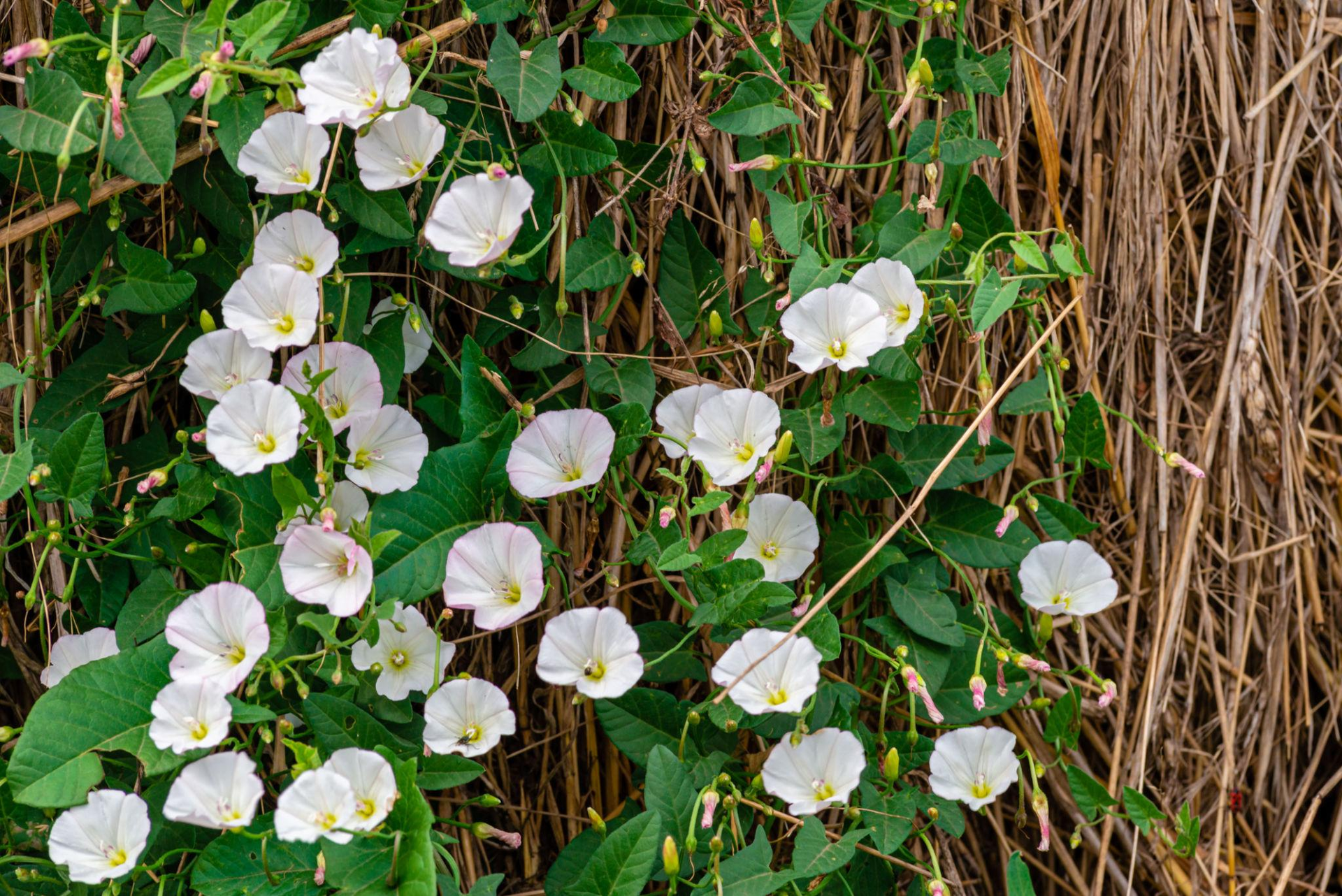
Field Bindweed (Convolvulus arvensis) or European bindweed or Creeping Jenny or Possession vine | Twining or creeping vine with arrowhead-shaped leaves and white to pink funnel-shaped flowers resembling small morning glories. | Deep-rooted perennial vine that spreads aggressively by roots and seed, making it difficult to eradicate once established. |
|
|
|
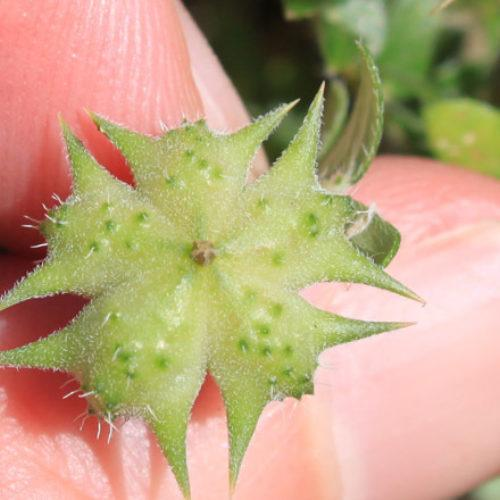
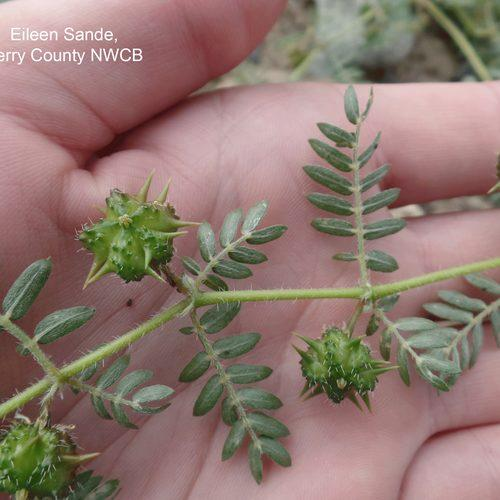
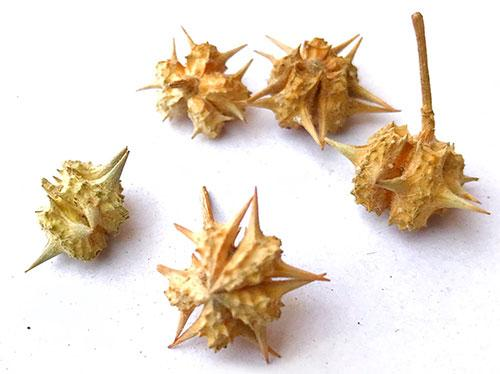
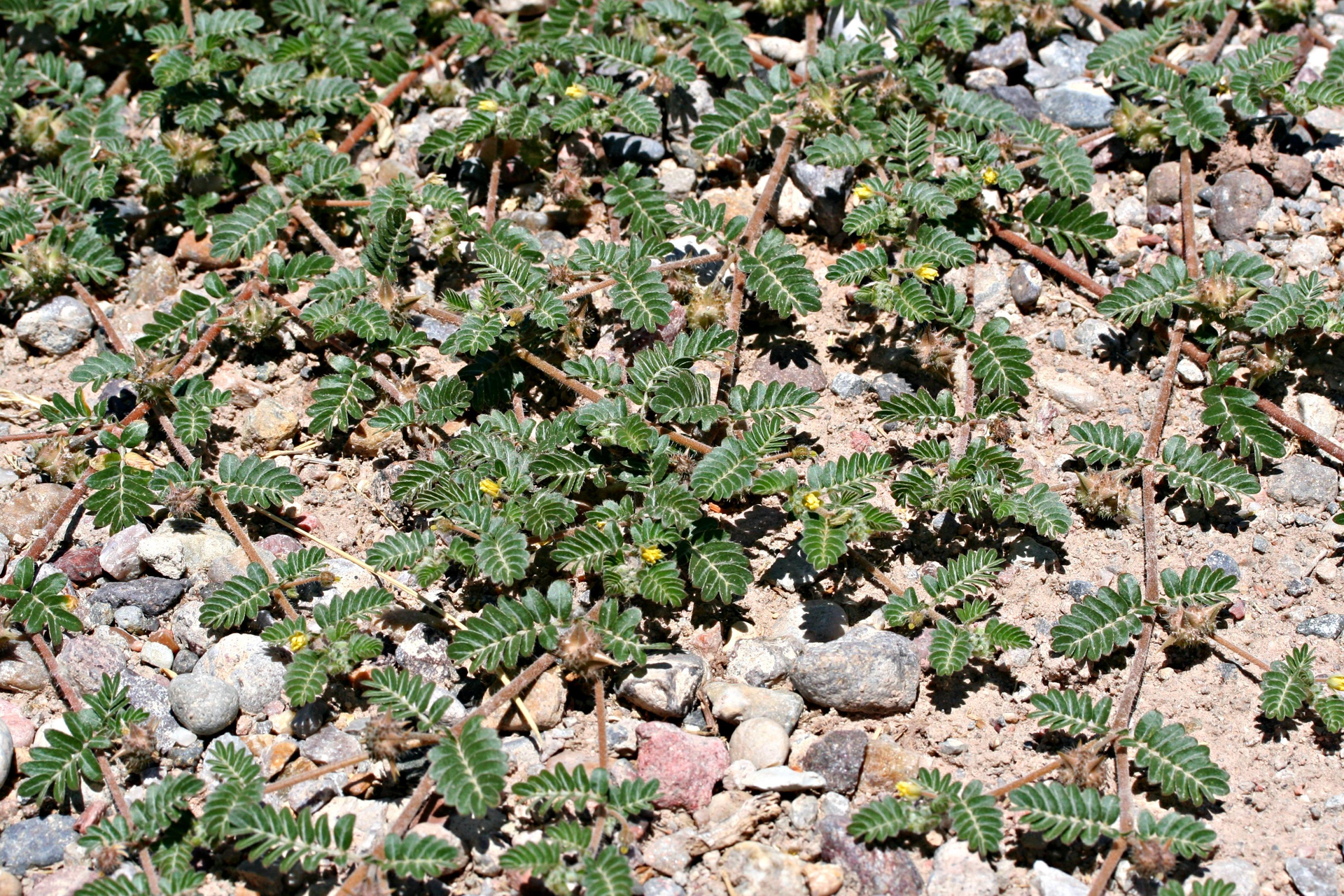
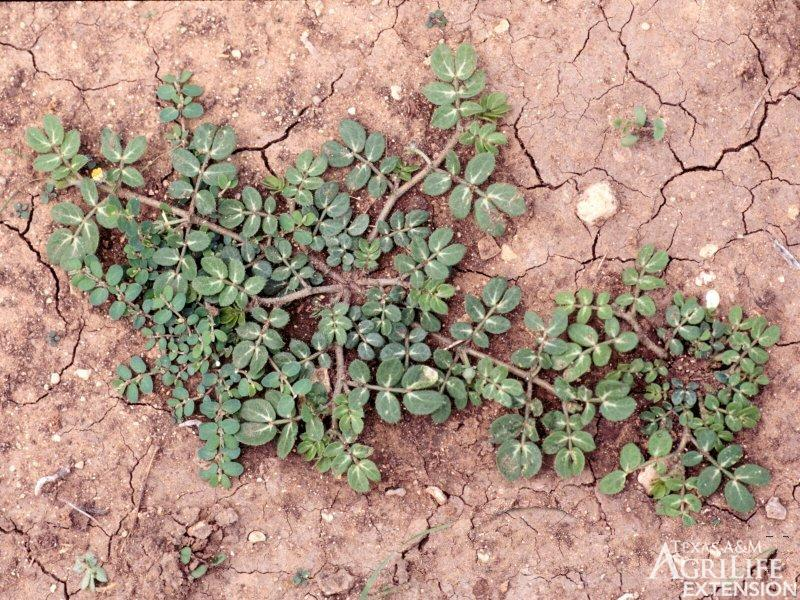
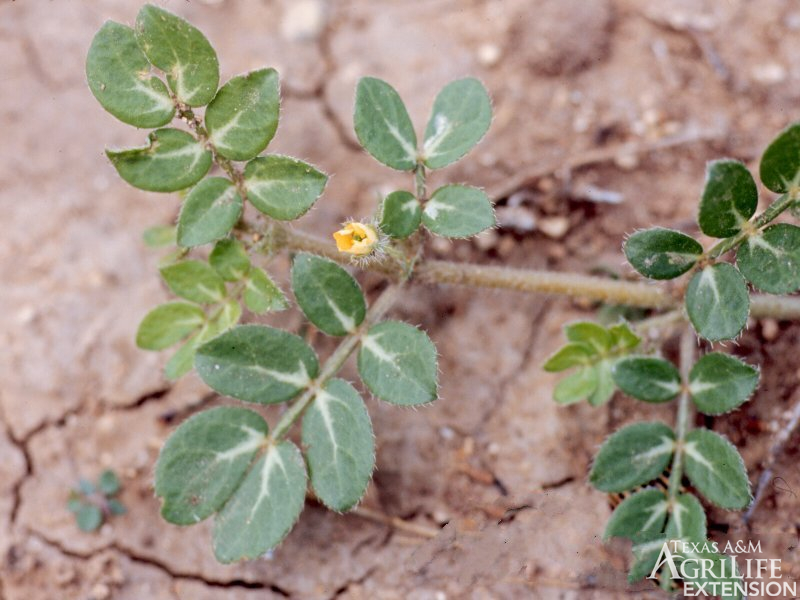
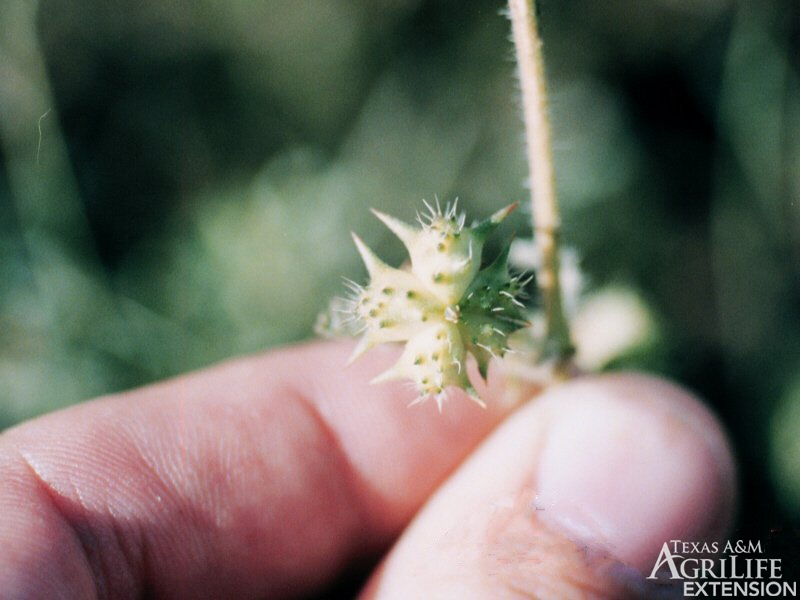
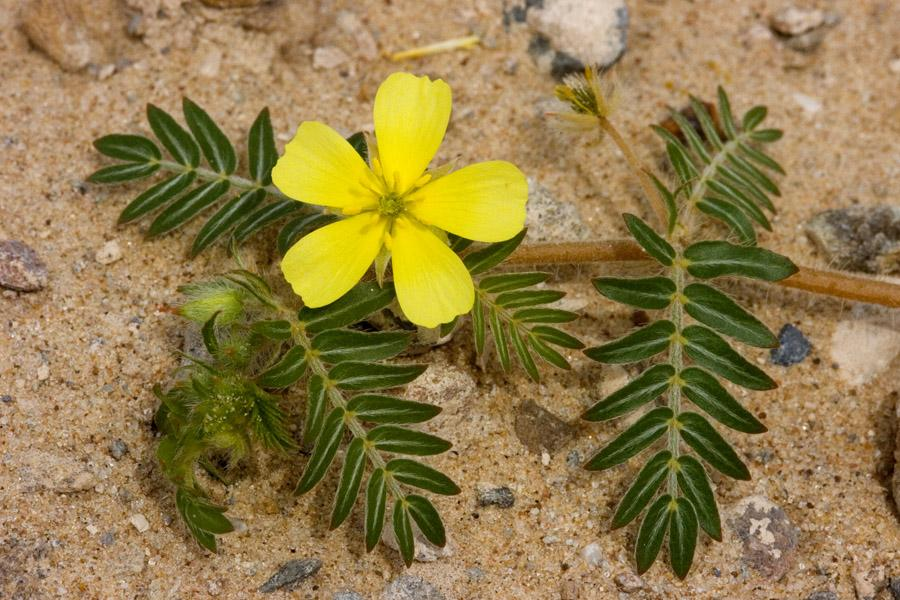
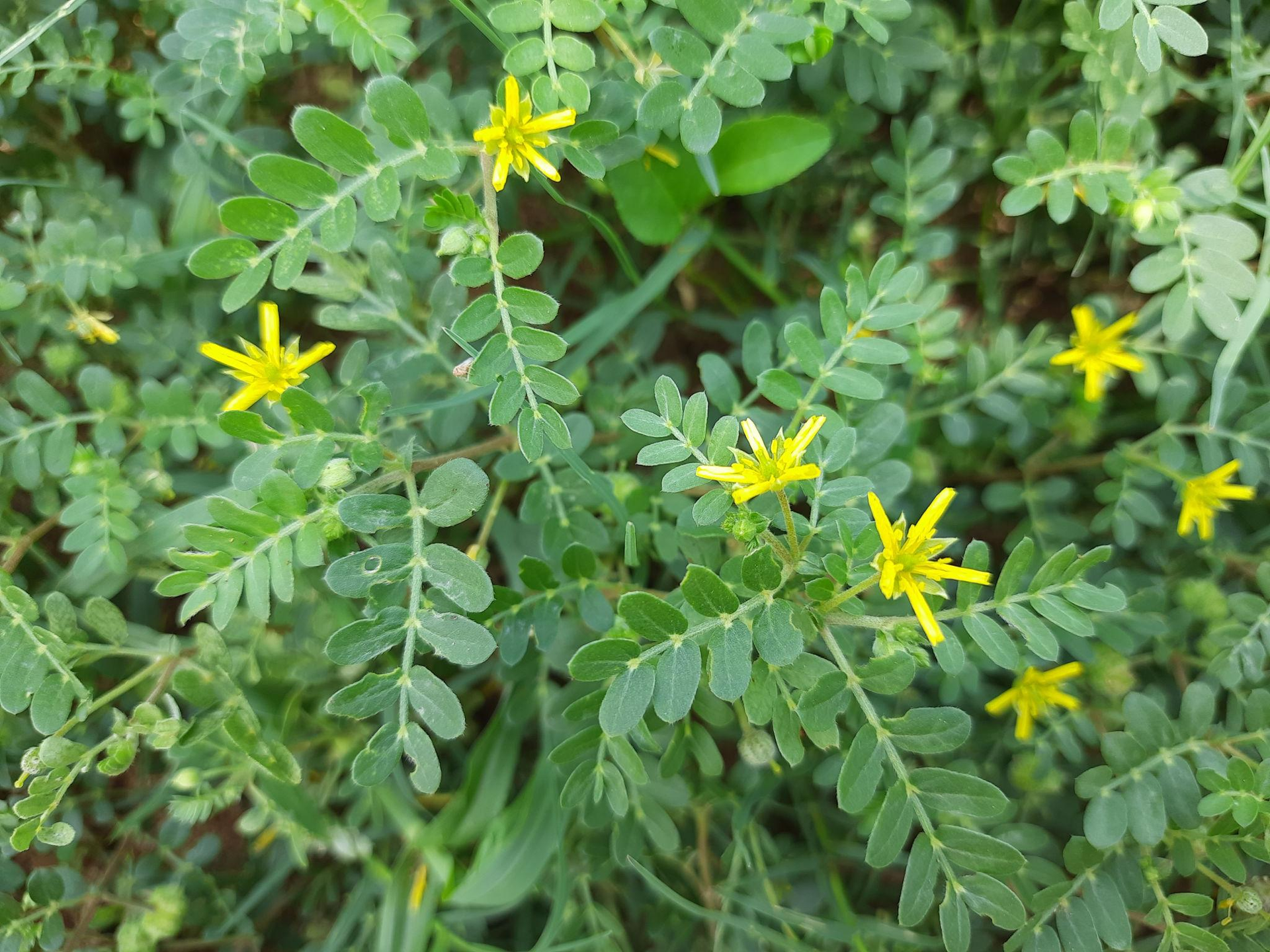
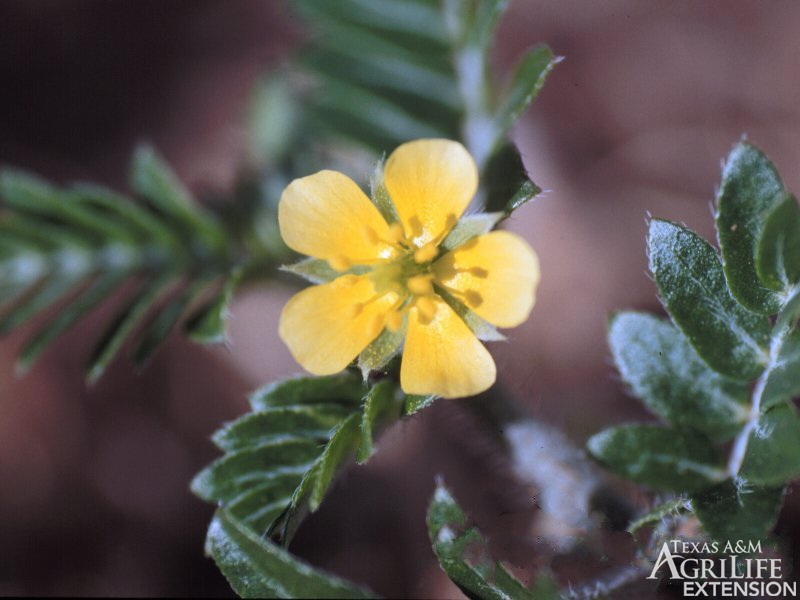
Goathead, Puncturevine (Tribulus terrestris) or tackweed, Mexican sandbur, Texas sandbur, Caltrop, Yellow vine | Low-growing, mat-forming plant with opposite leaflets and yellow flowers. Produces hard, sharp seed burs. | Produces sharp seed burs that can injure pets and people, puncture bicycle tires, and spread rapidly in disturbed soils. |
|
|
|
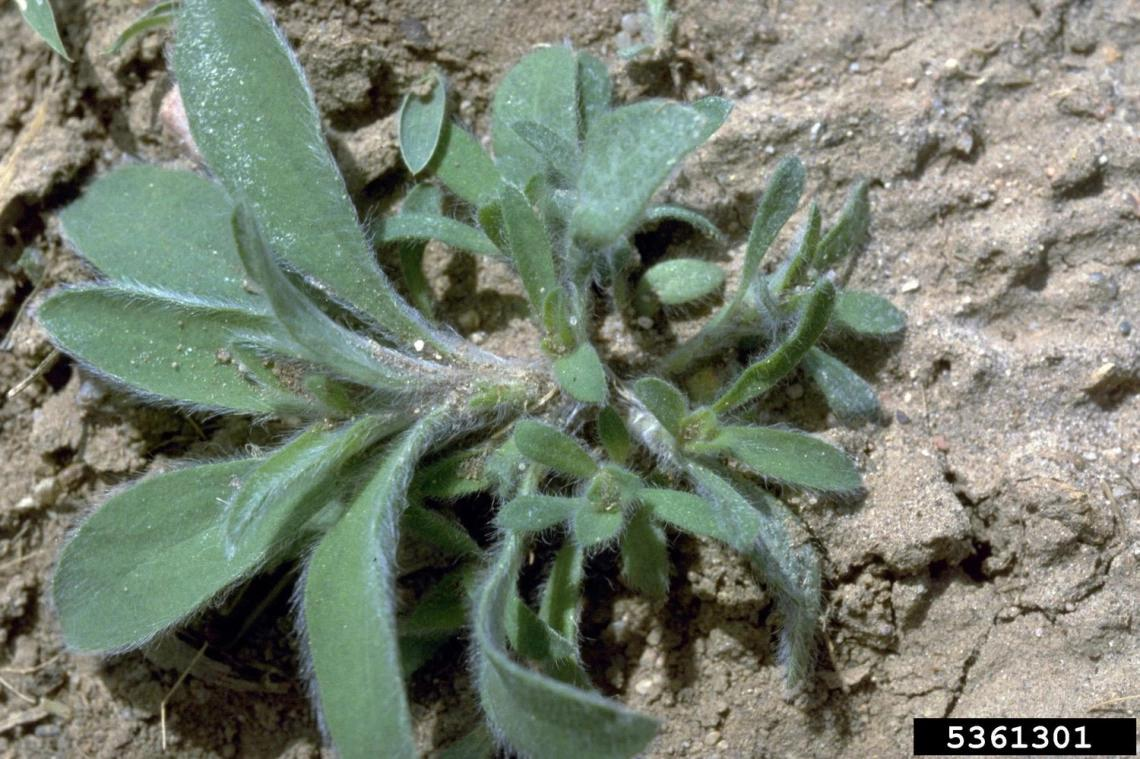
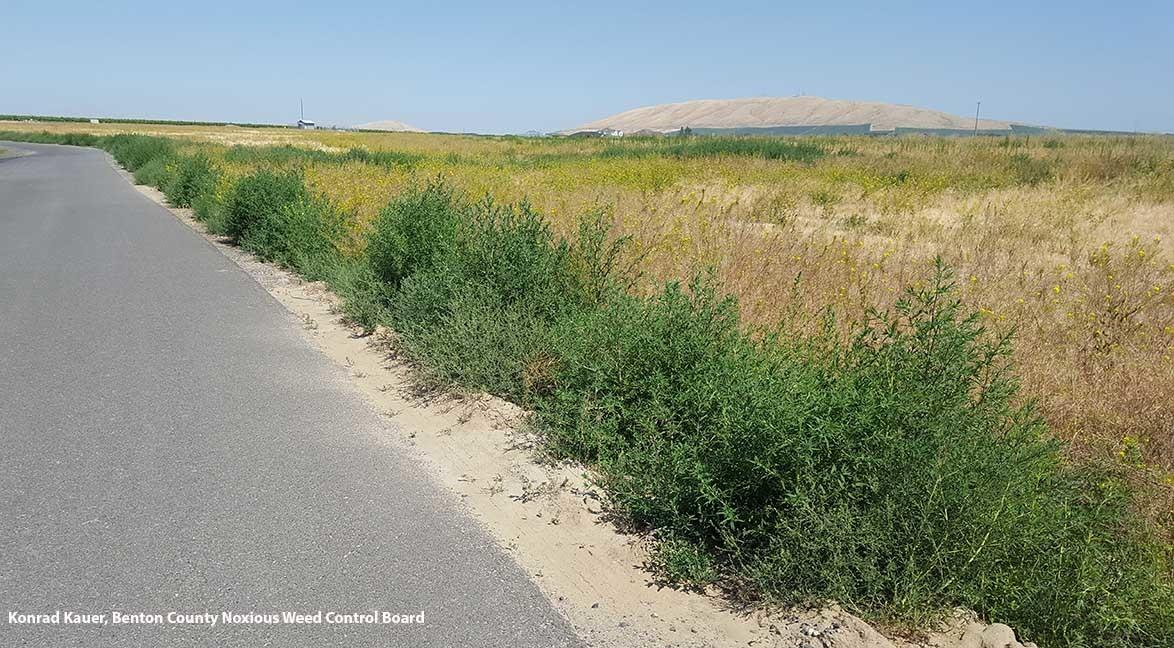
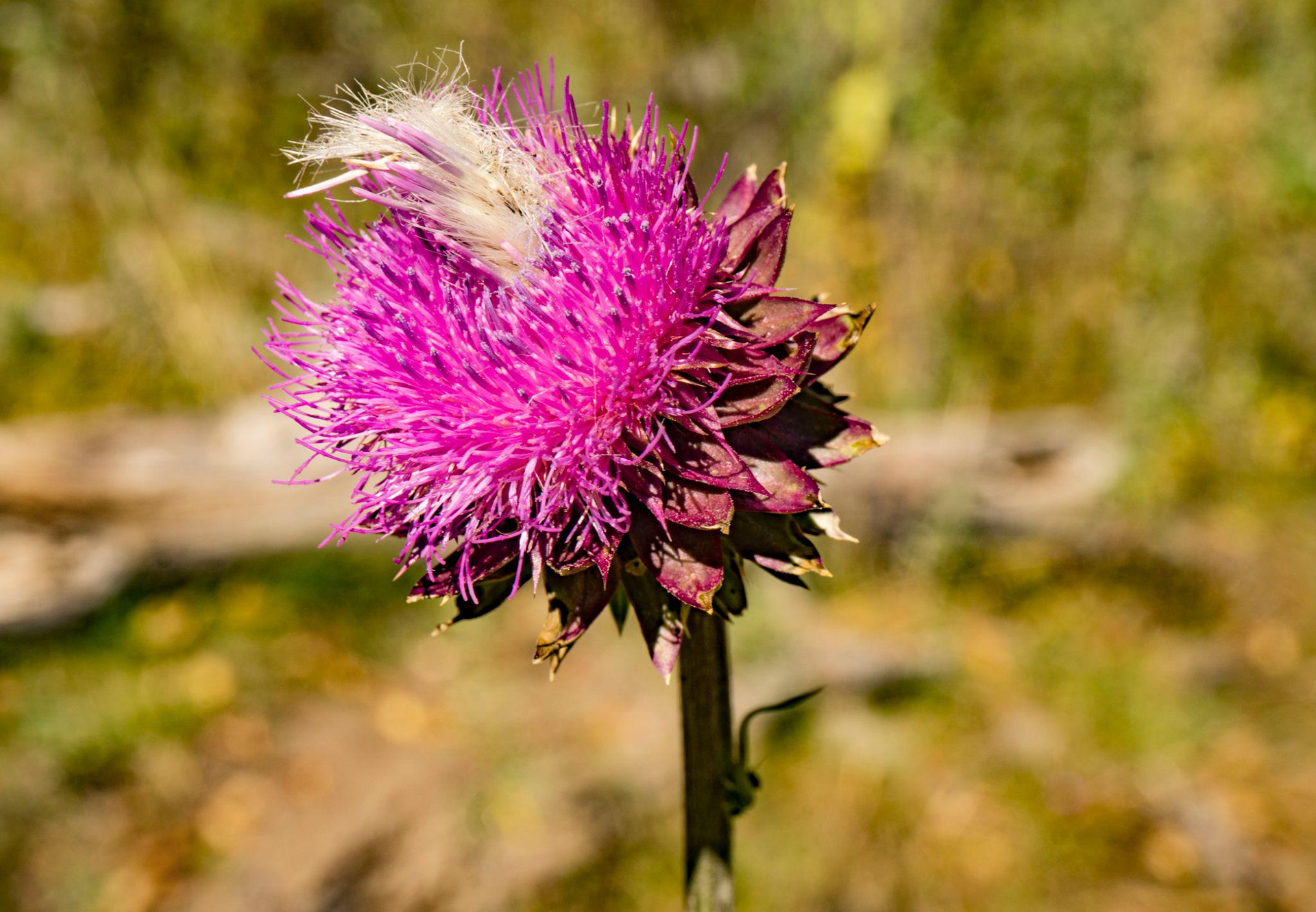
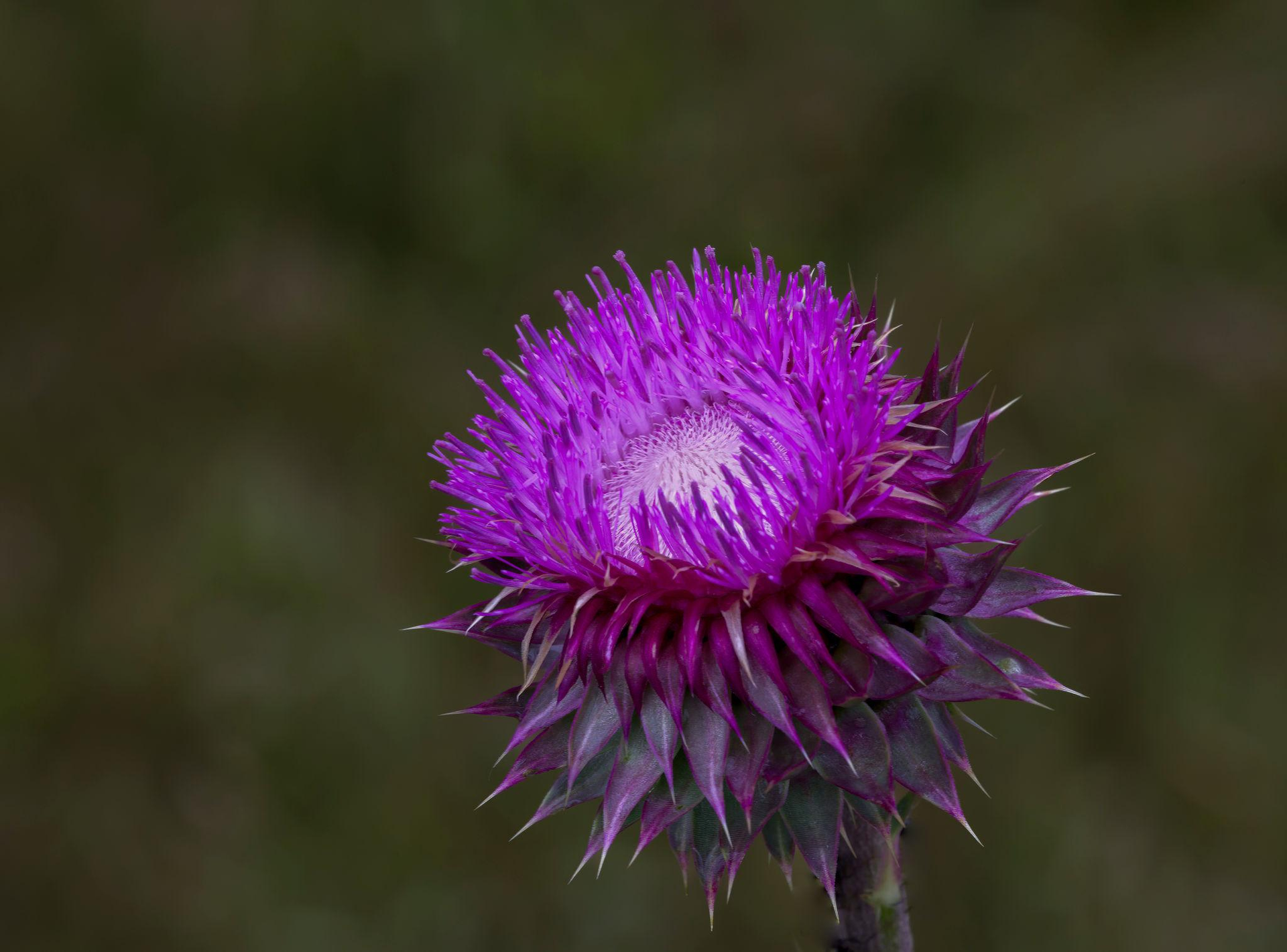
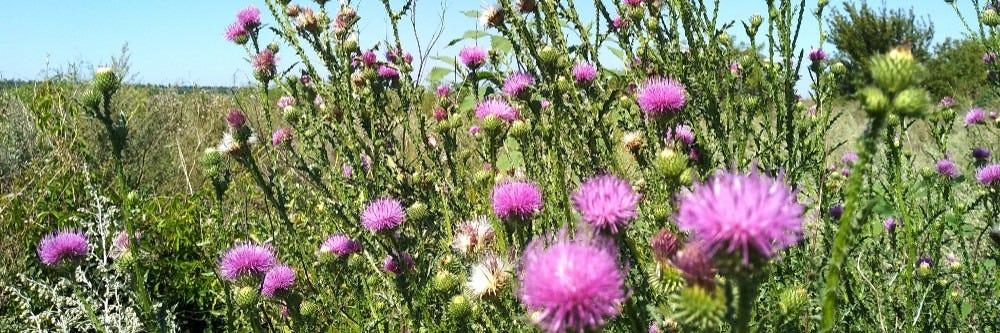
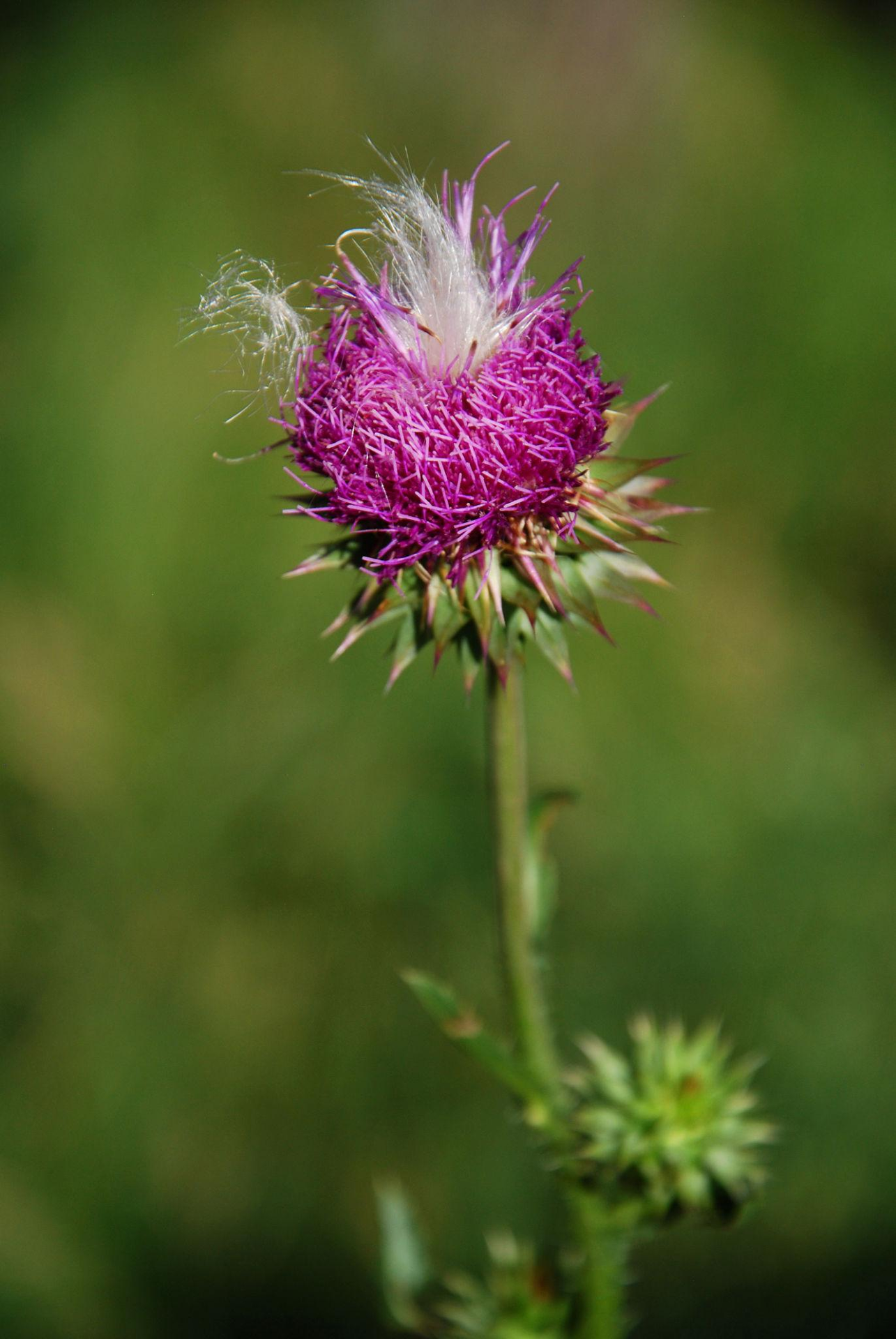
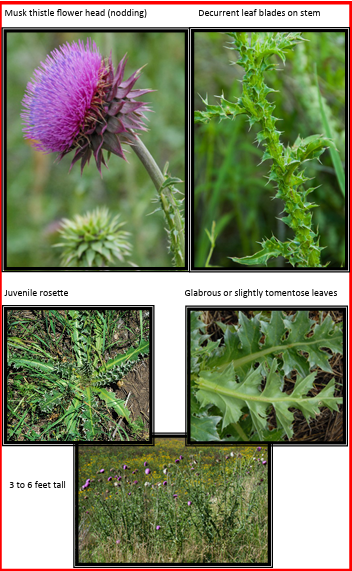
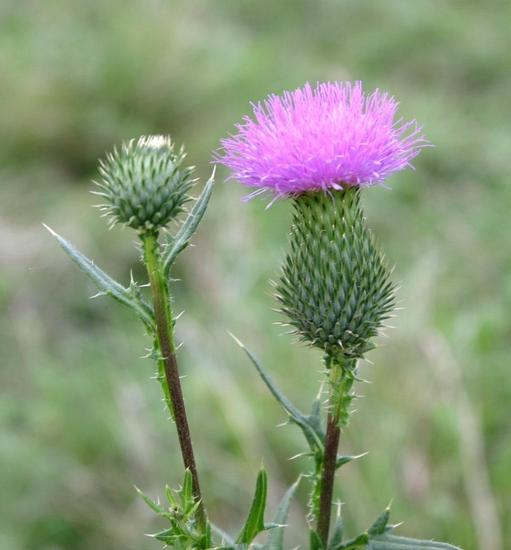
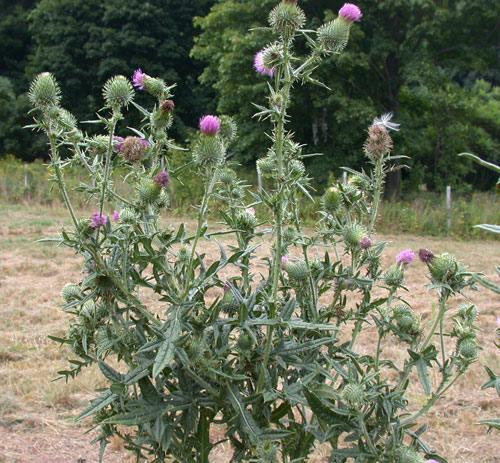
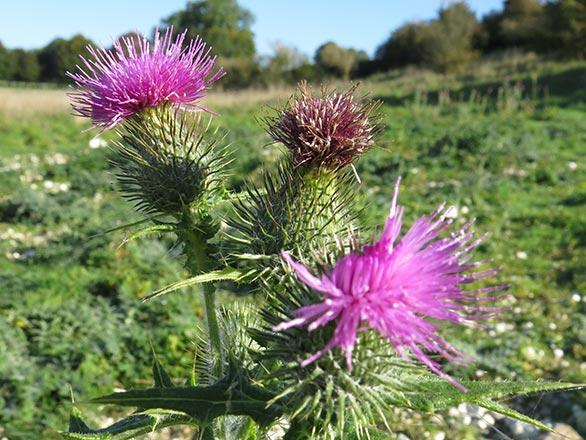
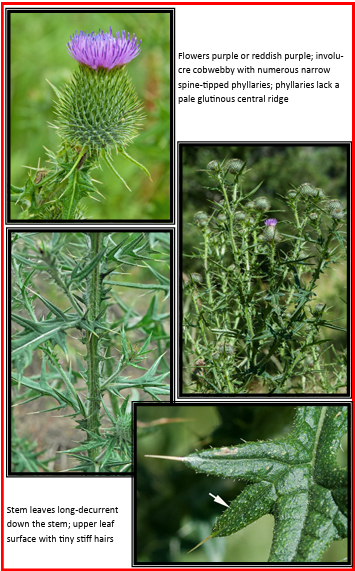
Thistle Identification

*New Mexico has 12 native thistle species, including Cirsium neomexicanum, and 4 invasive noxious thistles. Removing thistles without proper identification can harm native plants. Confirm that a plant is a noxious weed before removing it.
New Mexico Thistle Identification Guide: See the Native Plant Society of New Mexico guide for help identifying native and invasive thistles.
https://www.npsnm.org/books-and-booklets/thistle-identification-booklet/
Invasive Woody & Shrub Species
| Species | Key Identification Features | Why It Is a Concern |
|---|---|---|
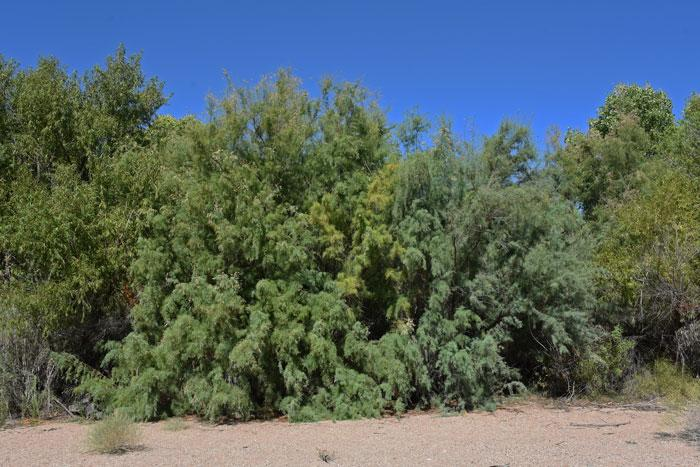
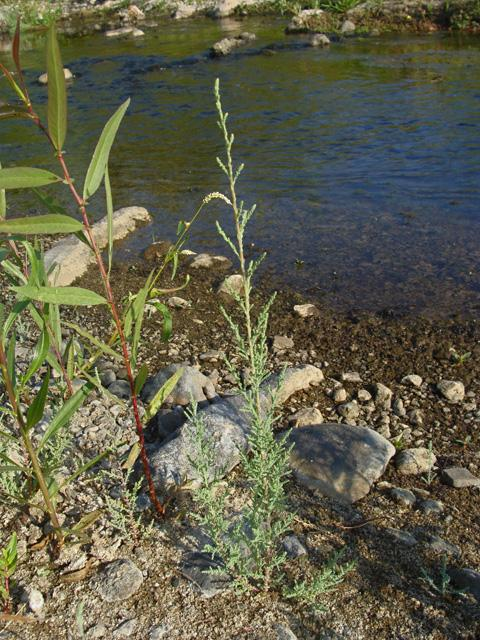
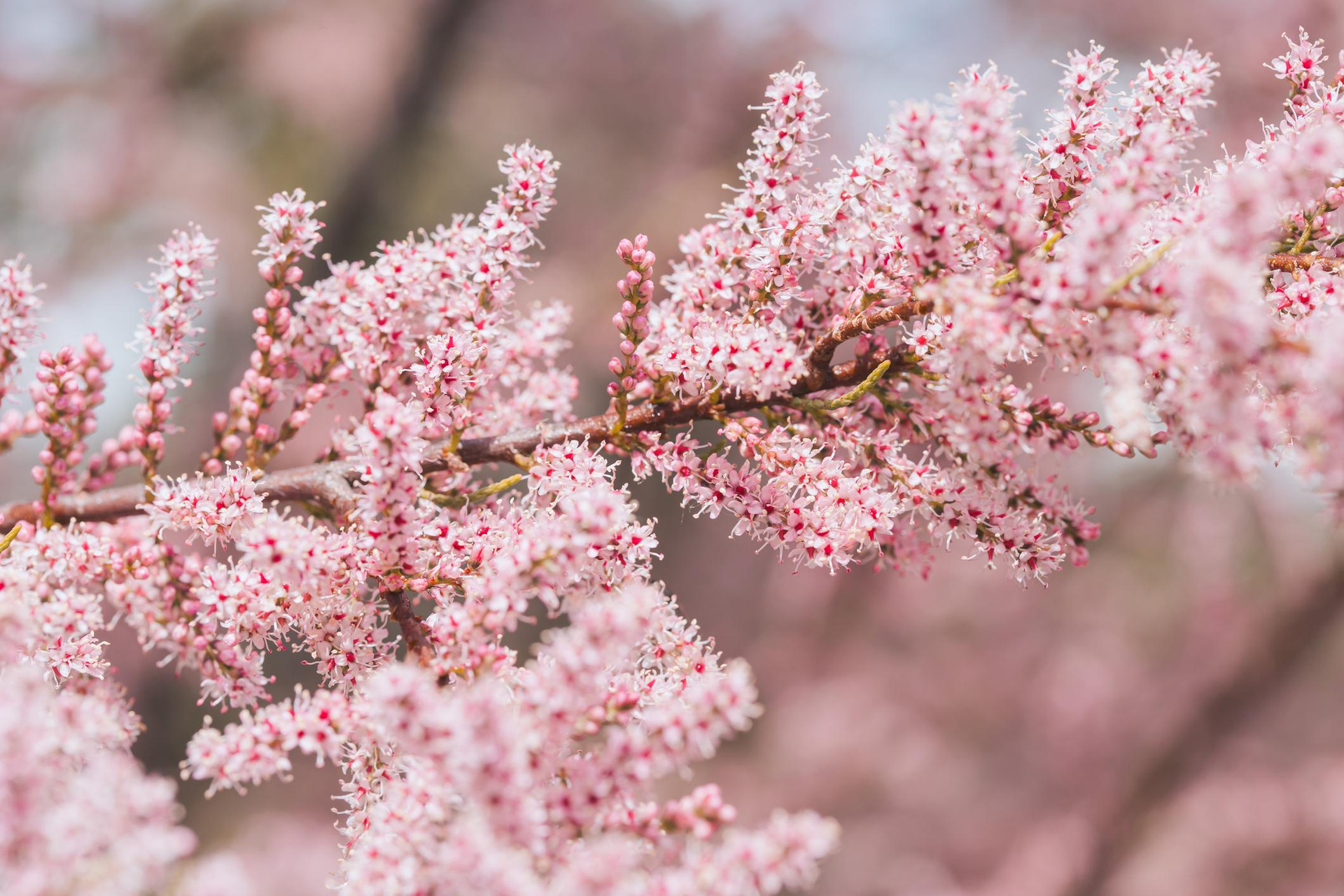
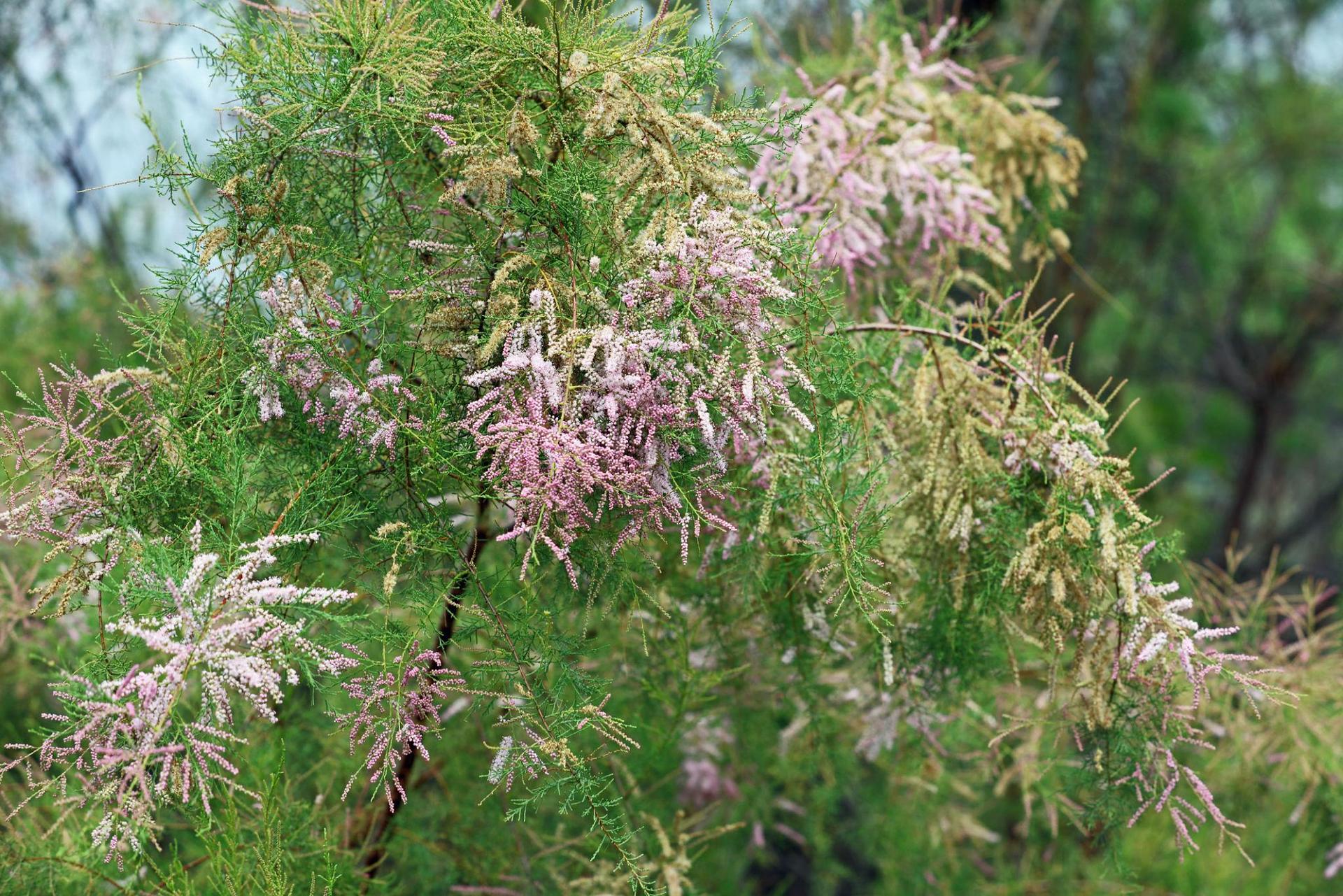
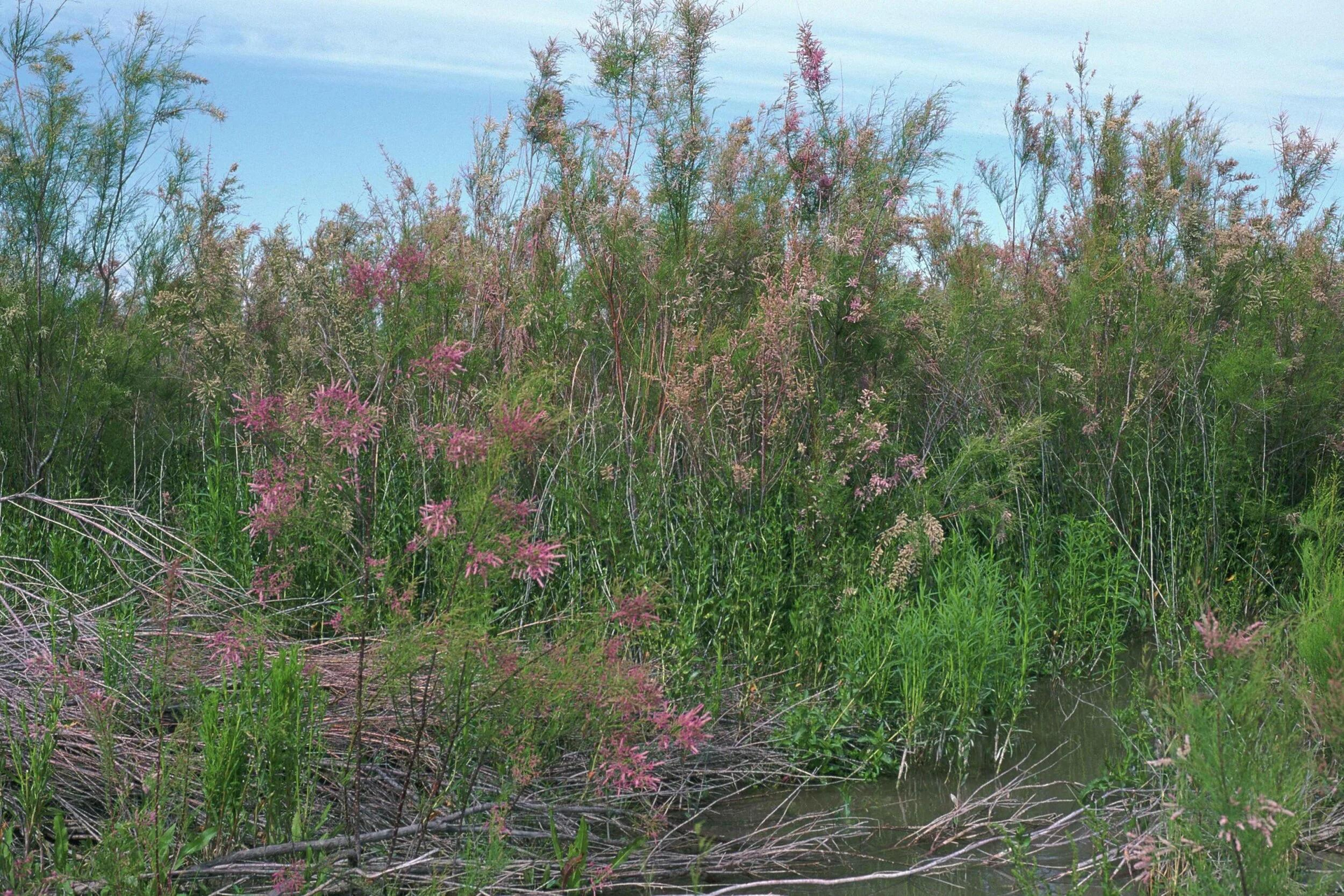
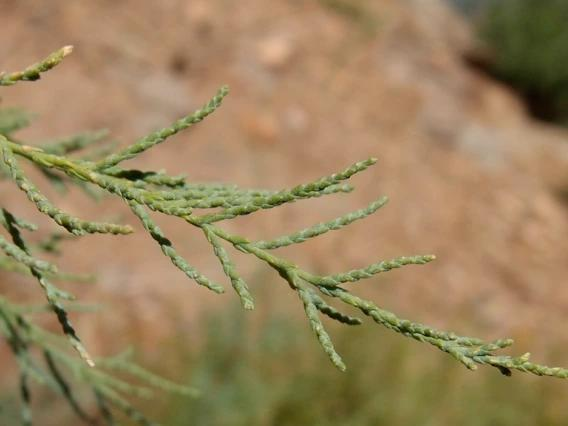
Saltcedar / Tamarisk (Tamarix spp.) | Multi-stemmed shrub or small tree with fine, feathery scale-like leaves on reddish-brown stems. Produces small pink to white flower clusters. Often found along waterways and drainage corridors. (5–20+ feet tall) | Non-native invasive that spreads widely along rivers, streams, and wetlands in the Southwest. Outcompetes native riparian vegetation, alters soil salinity, and changes fire and hydrology regimes. While it may temporarily stabilize highly saline or disturbed soils (e.g., impacted leach fields), it is generally not recommended for restoration use. |
|
|
|
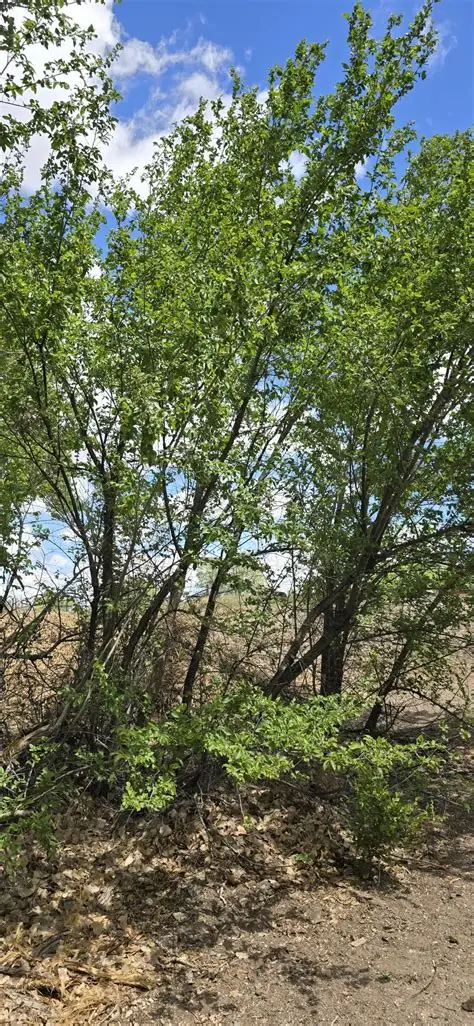
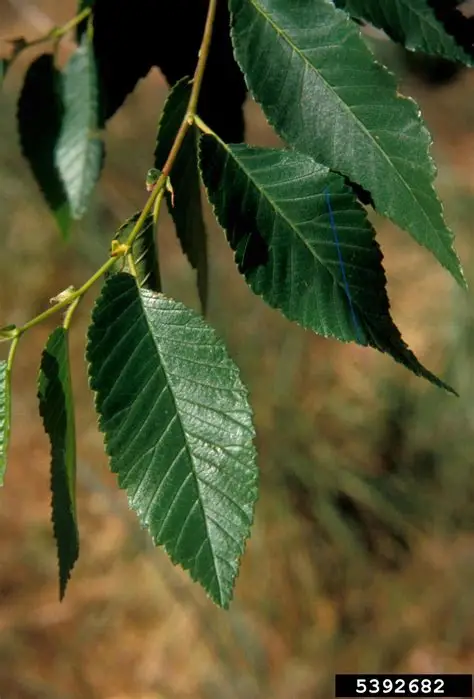
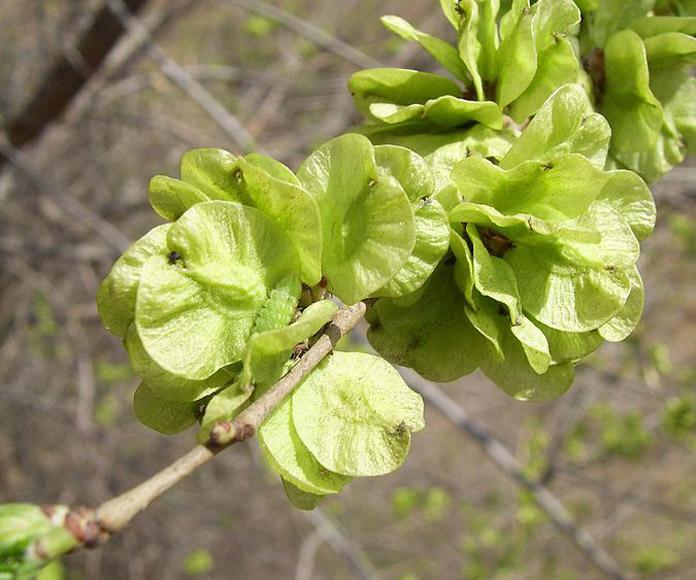
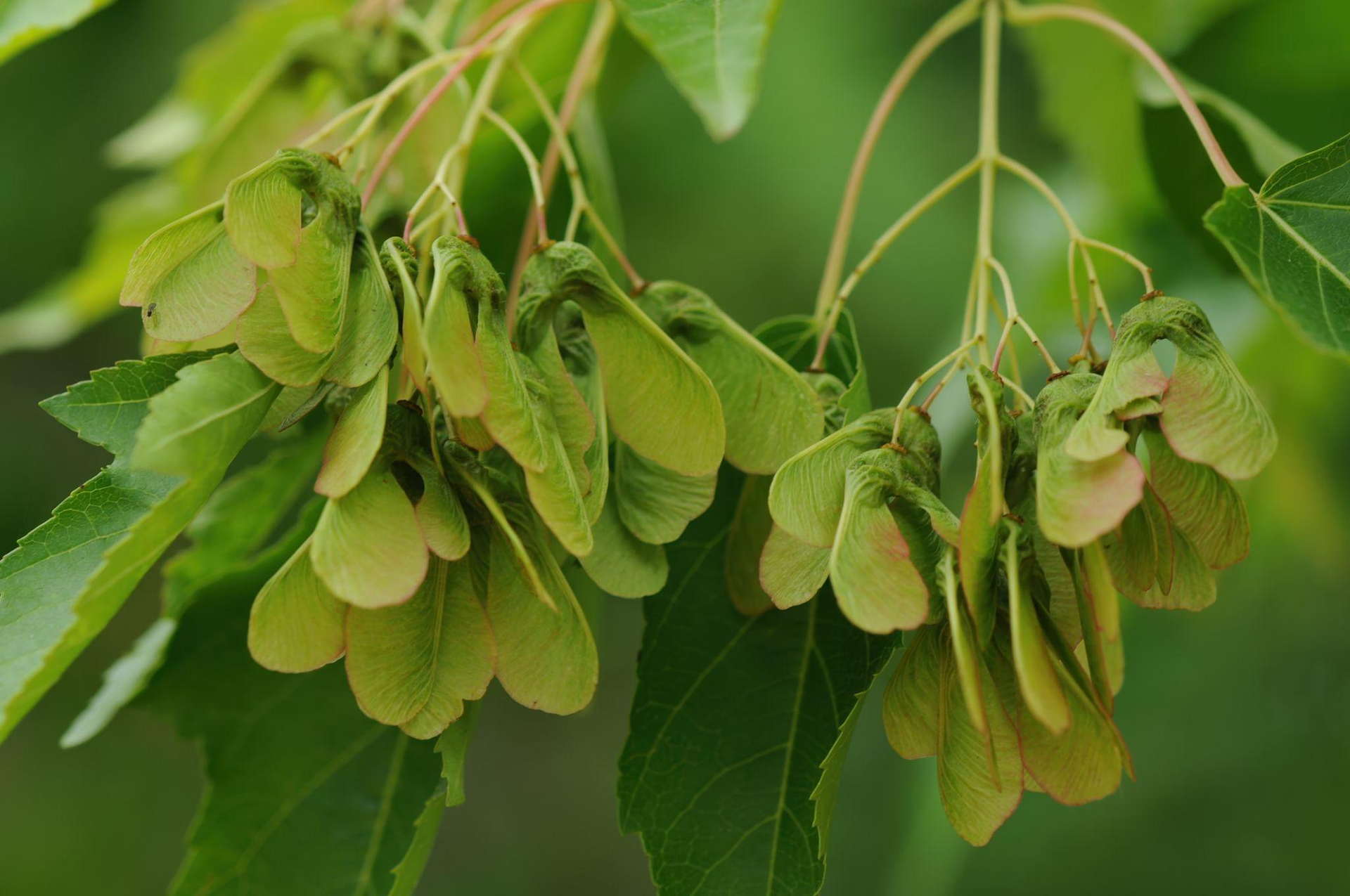
Siberian Elm (Ulmus pumila) | Fast-growing deciduous tree with small serrated leaves, rough bark, and abundant wind-dispersed seeds with papery samaras. Often produces dense volunteer stands. (30–60 feet tall) | Aggressive volunteer species common on disturbed urban and rural sites. Spreads readily by seed, forming dense thickets that outcompete native trees and shrubs and are difficult to control once established. |
|
|
|
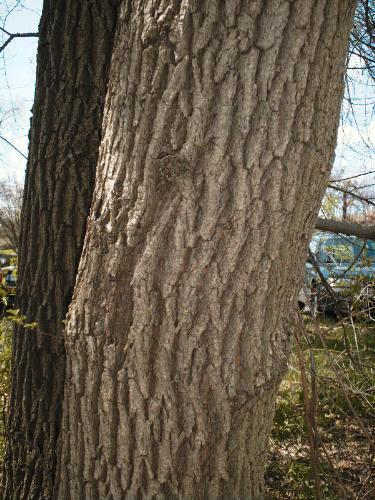
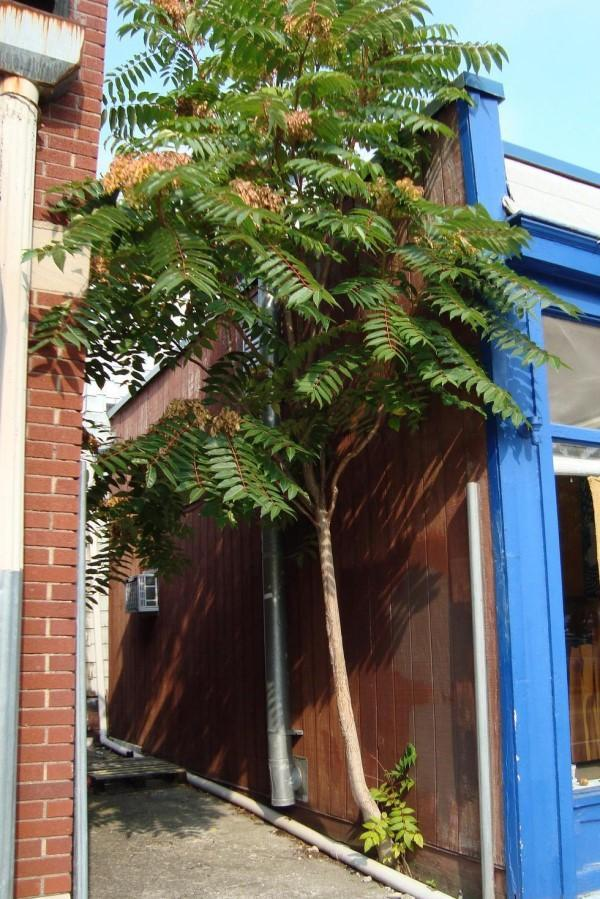
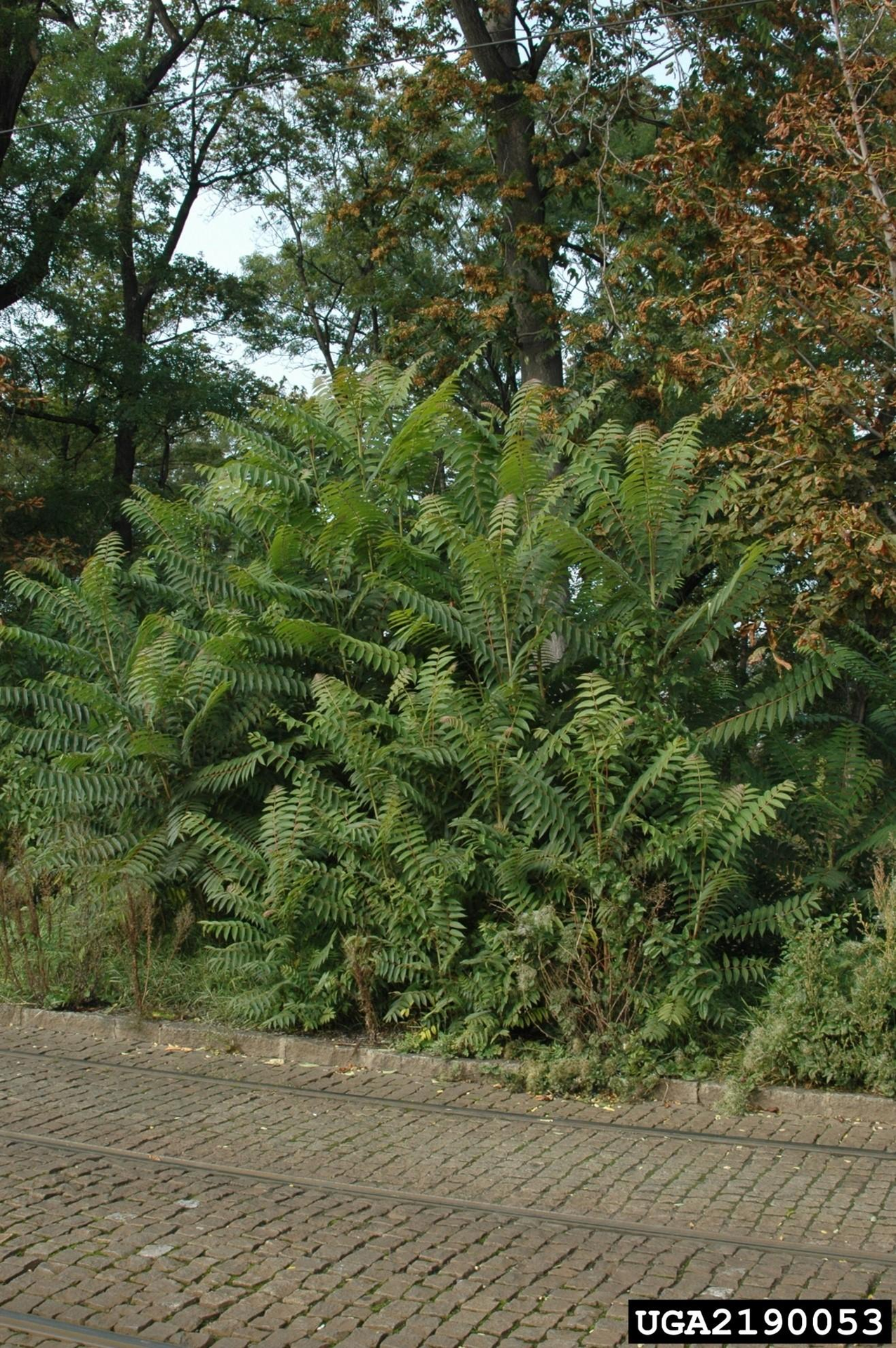
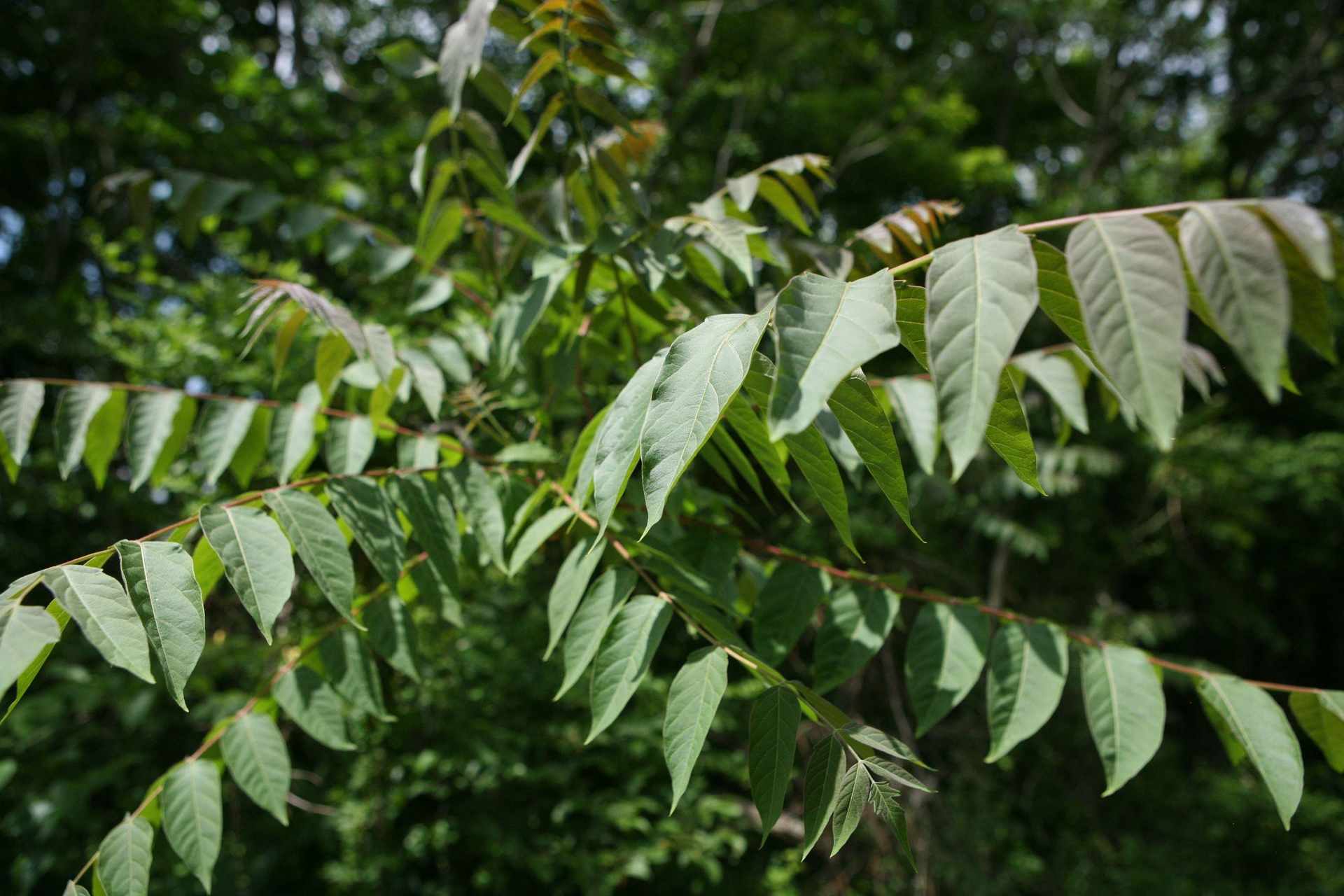
Tree of Heaven (Ailanthus altissima) | Rapid-growing tree with large compound leaves composed of many leaflets; leaflets often have a foul odor when crushed. Produces clusters of papery winged seeds (samaras). (40–80 feet tall) | Fast-growing, highly invasive tree that spreads aggressively by both seed and root suckers. Forms dense colonies that displace native vegetation and can damage infrastructure through persistent root growth. |
|
|
|
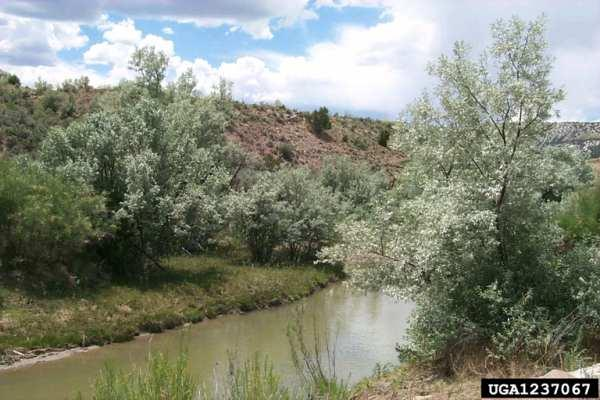
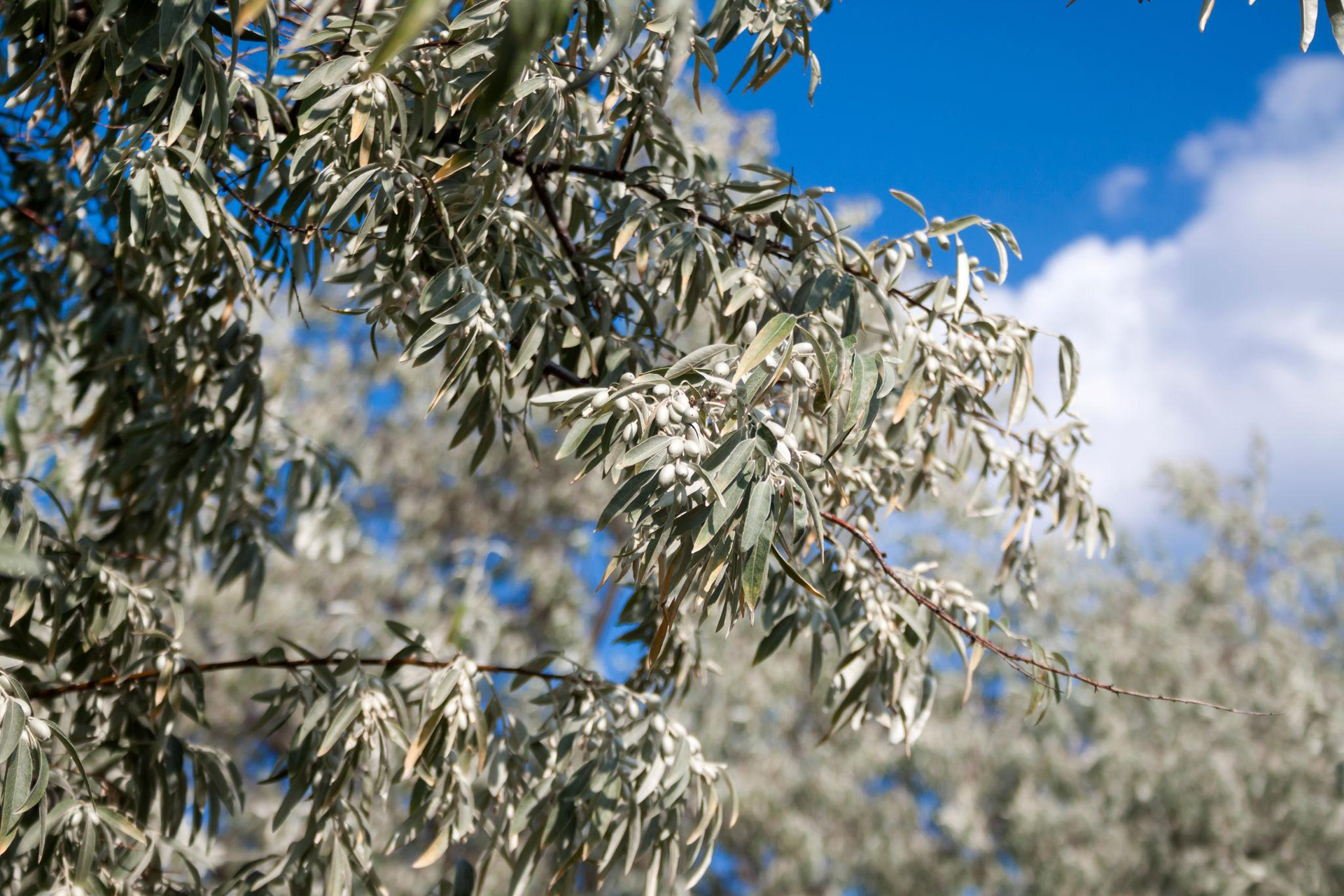
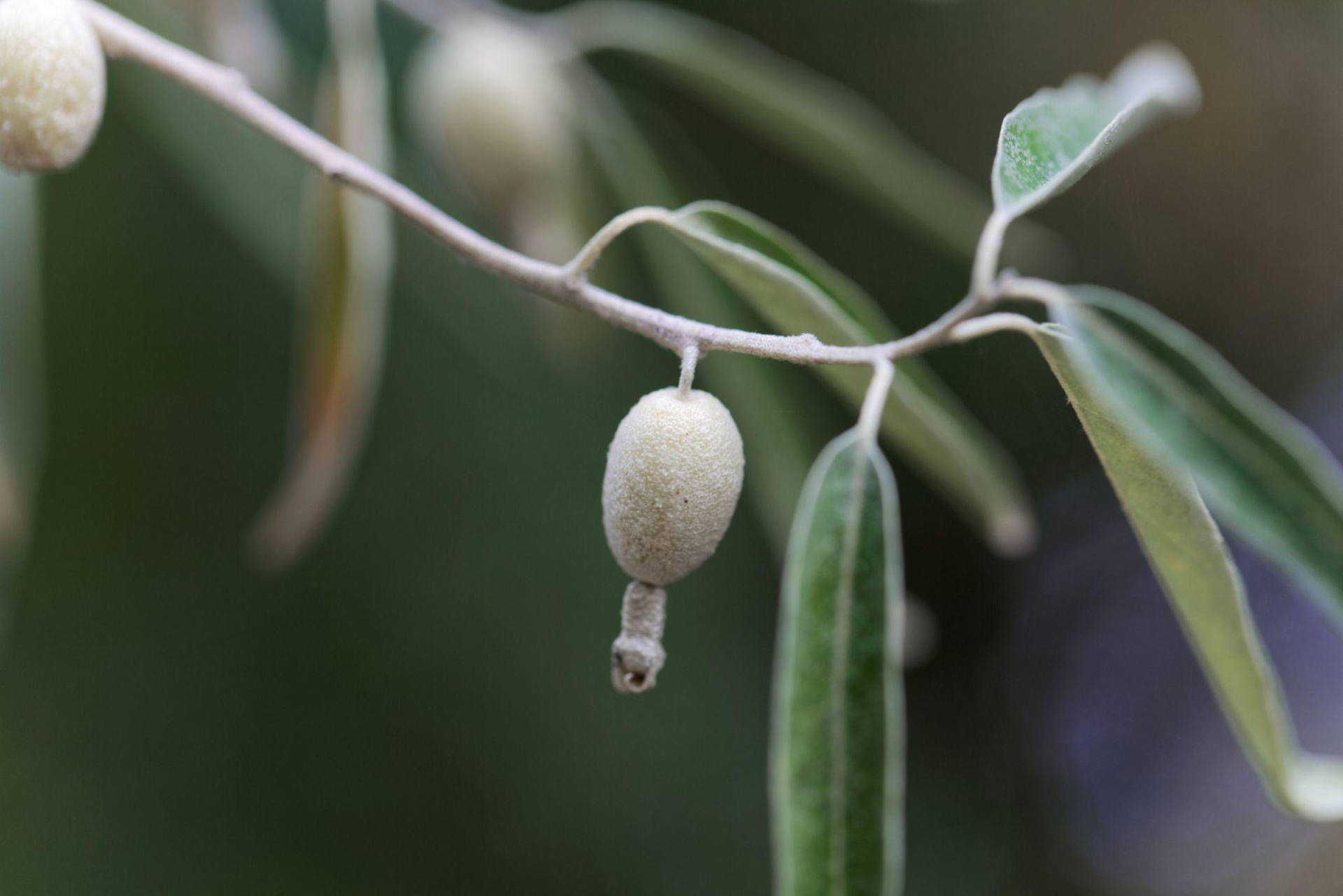
Russian Olive (Elaeagnus angustifolia) | Small tree or large shrub with narrow silvery-green leaves and thorny branches. Produces small yellowish fragrant flowers and olive-like fruit with a silvery sheen. (15–30 feet tall) | Invasive riparian tree that outcompetes native vegetation, especially in river corridors. Alters habitat structure, reduces biodiversity, and can change soil nutrient dynamics through nitrogen fixation. |
|
|
|
(Sometimes) Nuisance Natives
Some native plants can still be nuisance, hazardous, or otherwise problematic in certain settings. Although they are ecologically valuable in natural habitats, they may be undesirable in residential landscapes, agricultural areas, or recreation sites.
Whether a plant is undesirable often depends on the site goals. A species that is a nuisance in a yard may still support wildlife habitat, erosion control, or pollinators in a natural area.
Native Species that are sometimes considered weedy, aggressive, or "problematic"
| Species | Key Identification Features | Why It Is a Concern |
|---|---|---|
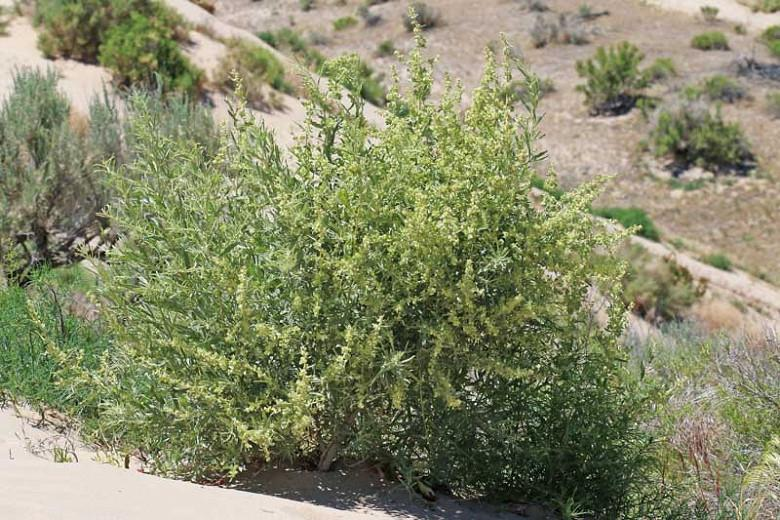
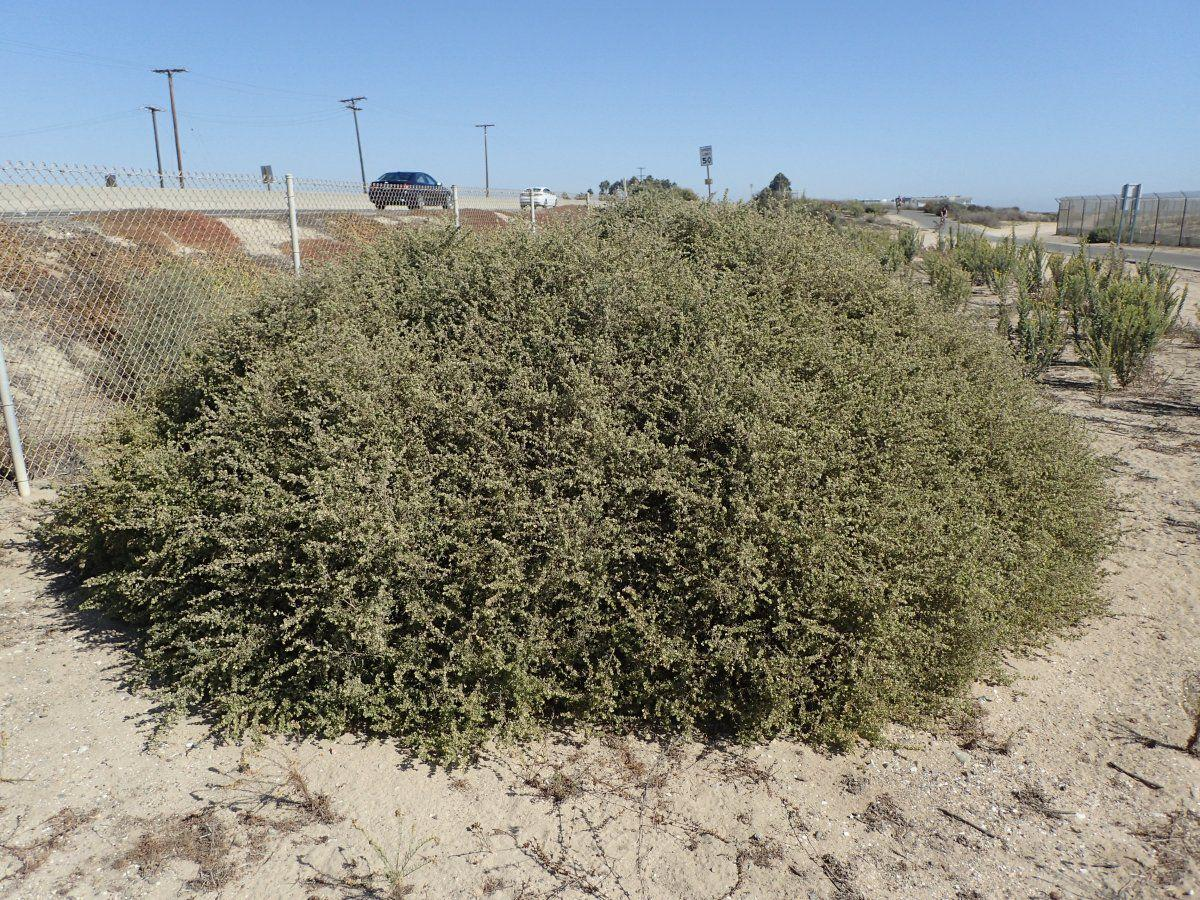
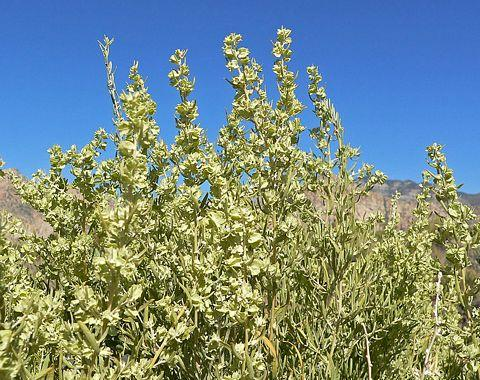
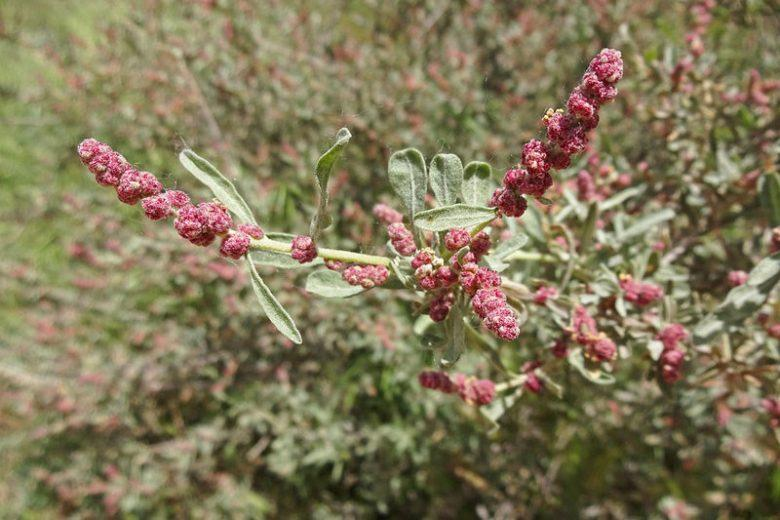
Fourwing Saltbush (Atriplex canescens) | Rounded shrub with silvery-gray leaves and distinctive papery seed bracts that have four wing-like projections. Often found in dry, alkaline, or saline soils. (2–8 feet tall and wide) | Native shrub valuable for wildlife habitat, forage, and erosion control. Can become dense and weedy in disturbed landscapes, reducing space for desired plantings. Highly tolerant of saline soils and drought. |
|
|
|
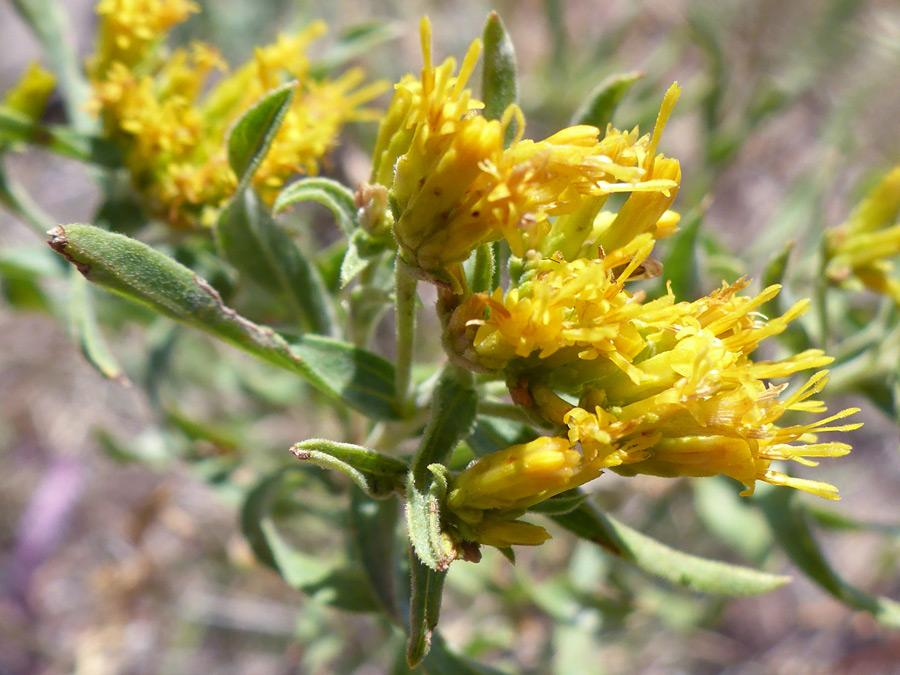
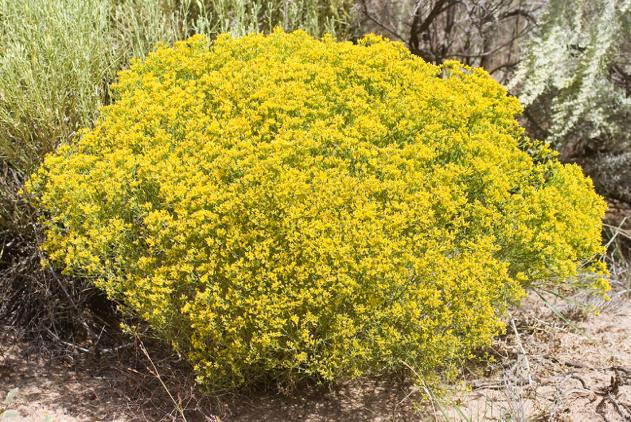
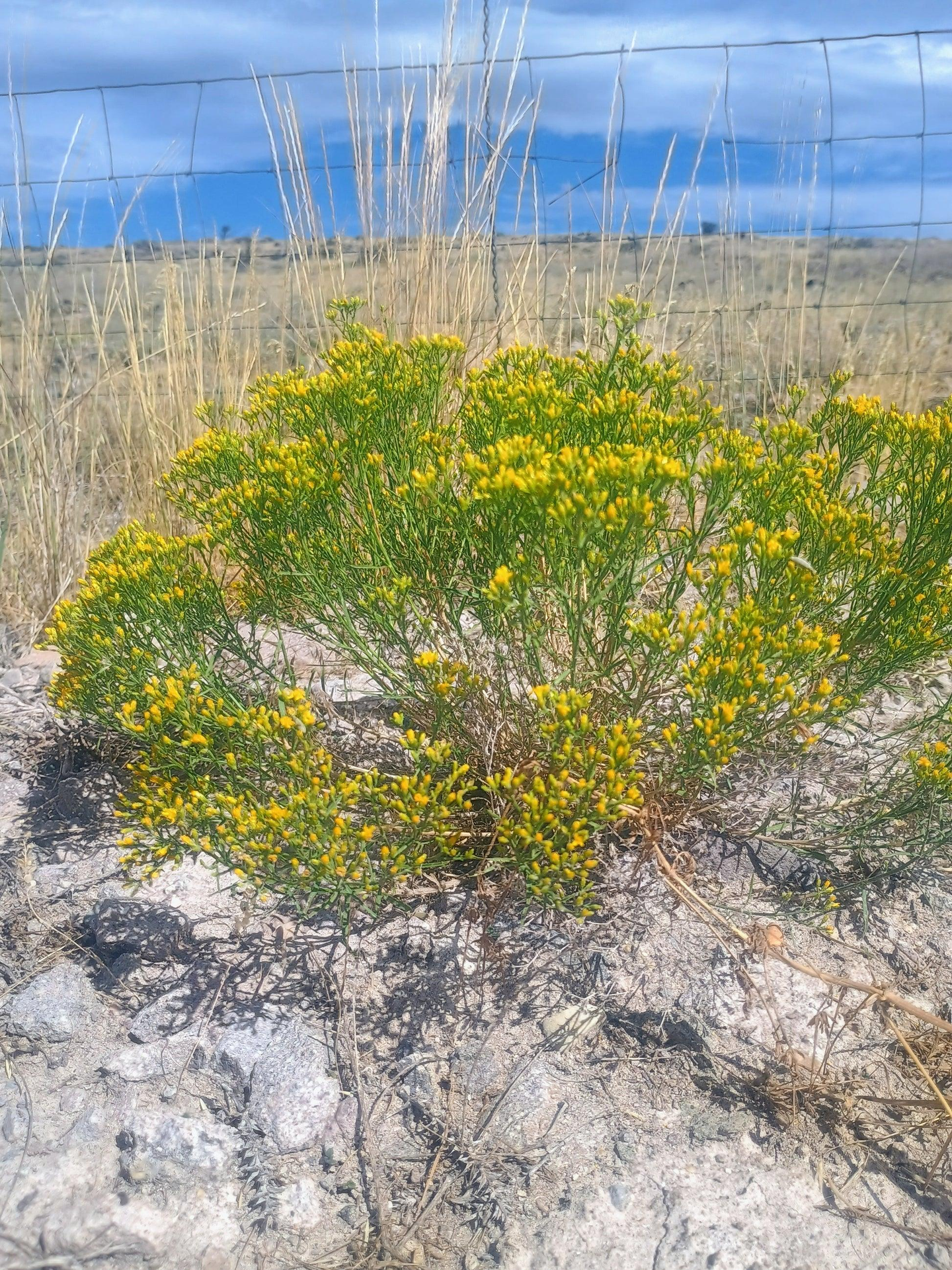
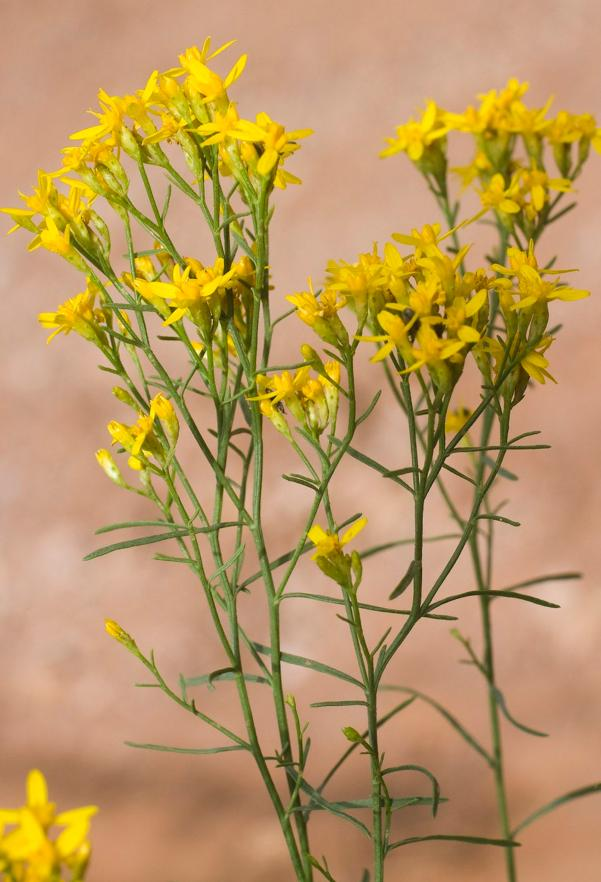
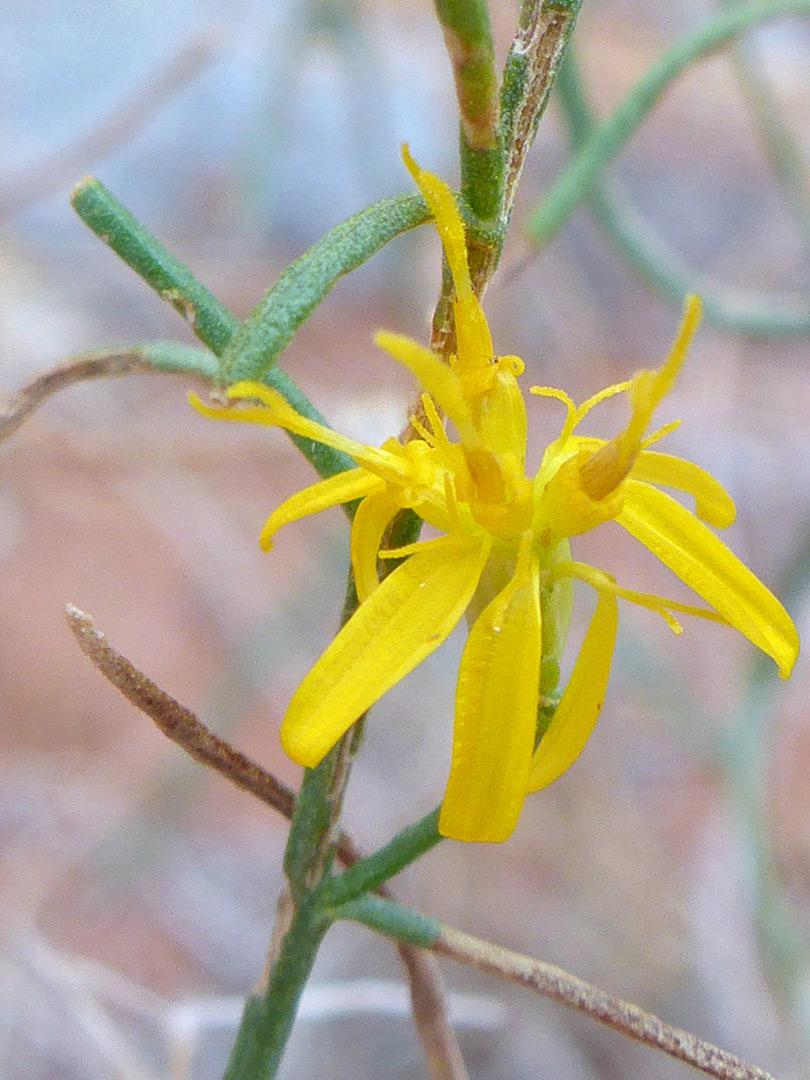
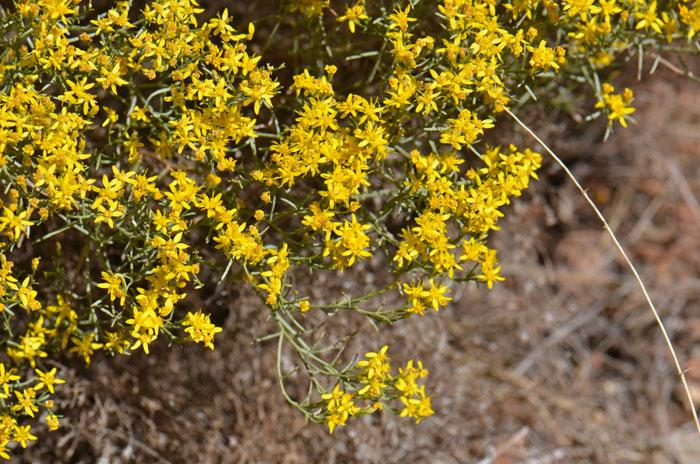
Snakeweed (Gutierrezia sarothrae) or Broom Snakeweed, Yellow Snakeweed | Small, rounded shrub with many green stems, narrow leaves, and abundant yellow flowers in late summer and fall. Often forms dense colonies. (1–3 feet tall) | Common native shrub associated with overgrazed or disturbed lands. Can outcompete desirable grasses, is difficult to control once established, and may be toxic to livestock when consumed in large quantities. Often retained in native restoration areas where appropriate |
|
|
|
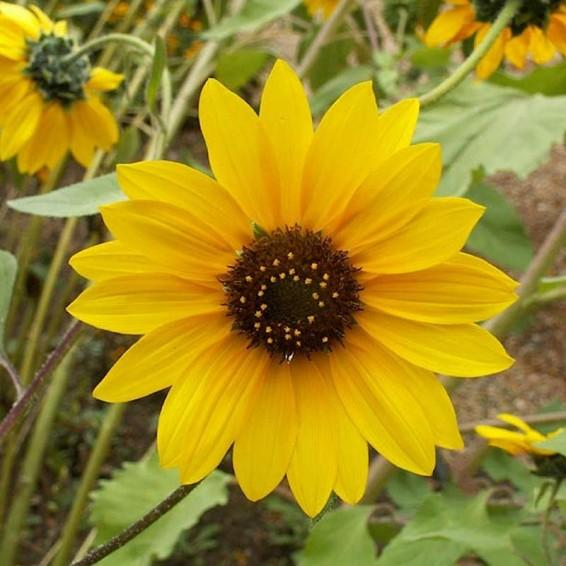
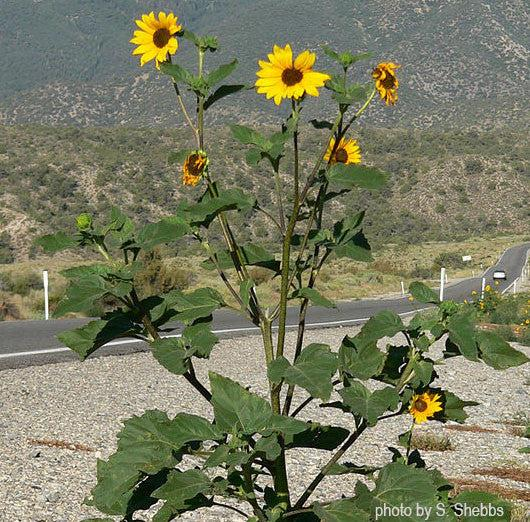
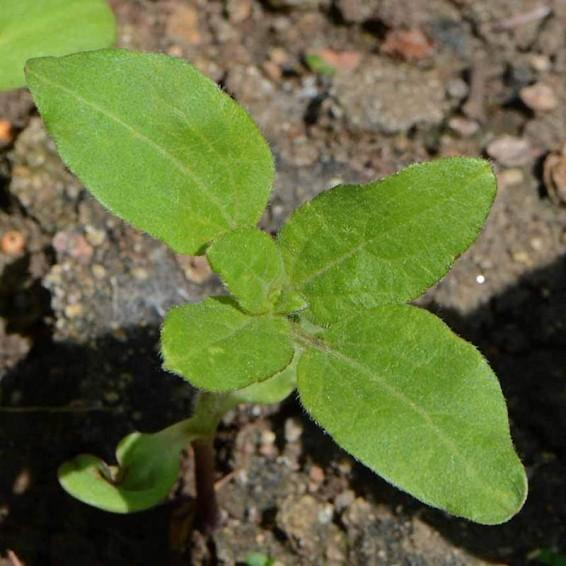
Annual Sunflower (Helianthus annuus) | Upright annual with rough, hairy stems and leaves, large yellow flower heads with dark centers, and coarse foliage. Frequently appears in disturbed soils and along roadsides. (3–10 feet tall) | Native species that provides pollinator and wildlife benefits but can become weedy in disturbed areas, construction sites, and newly seeded landscapes where it competes with establishing vegetation. |
|
|
|
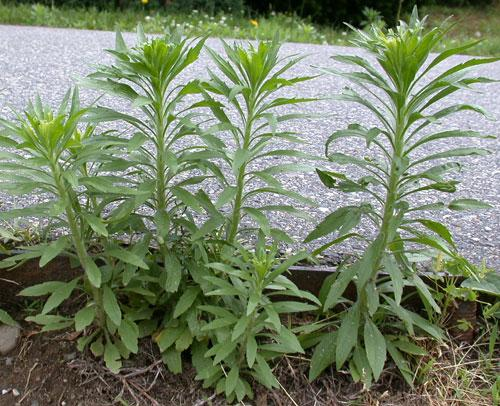
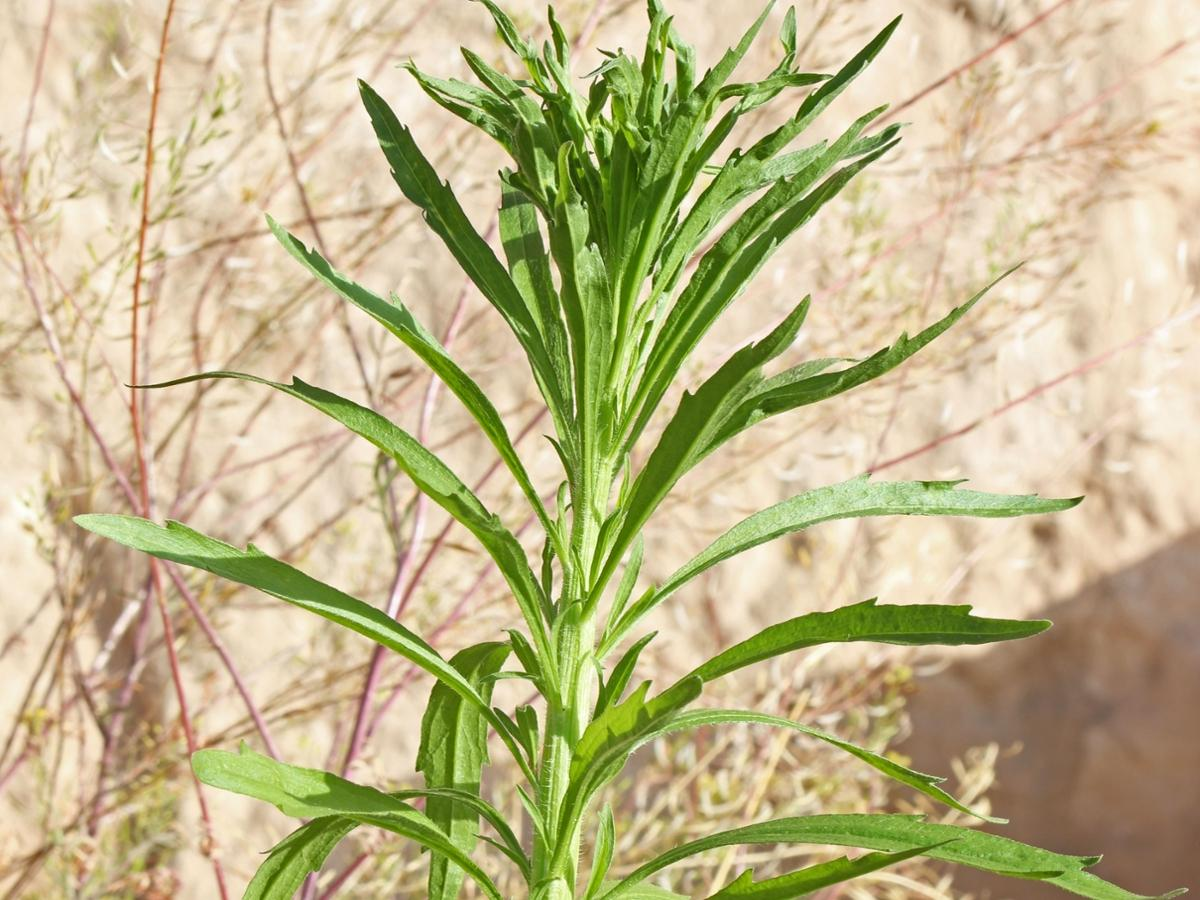
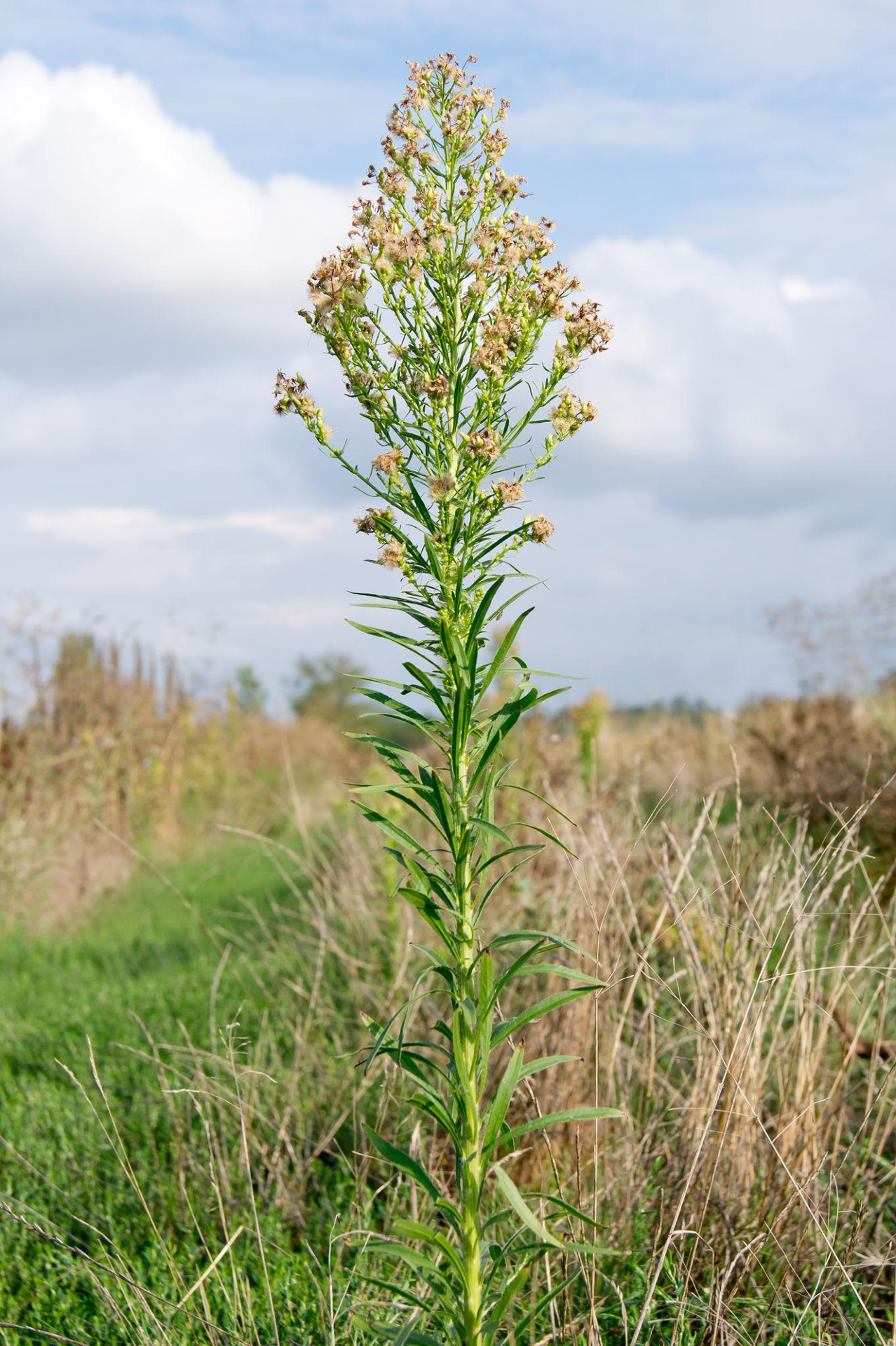
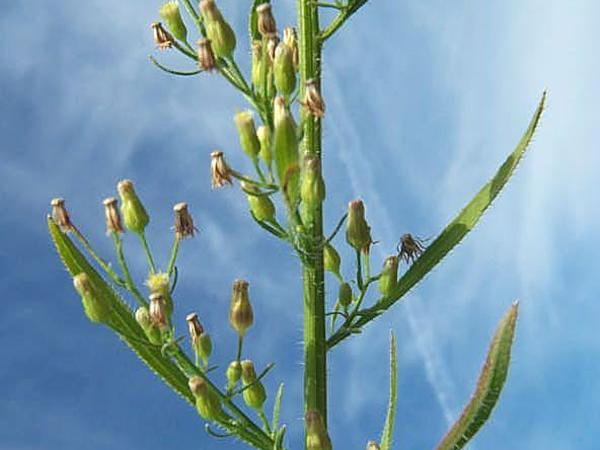
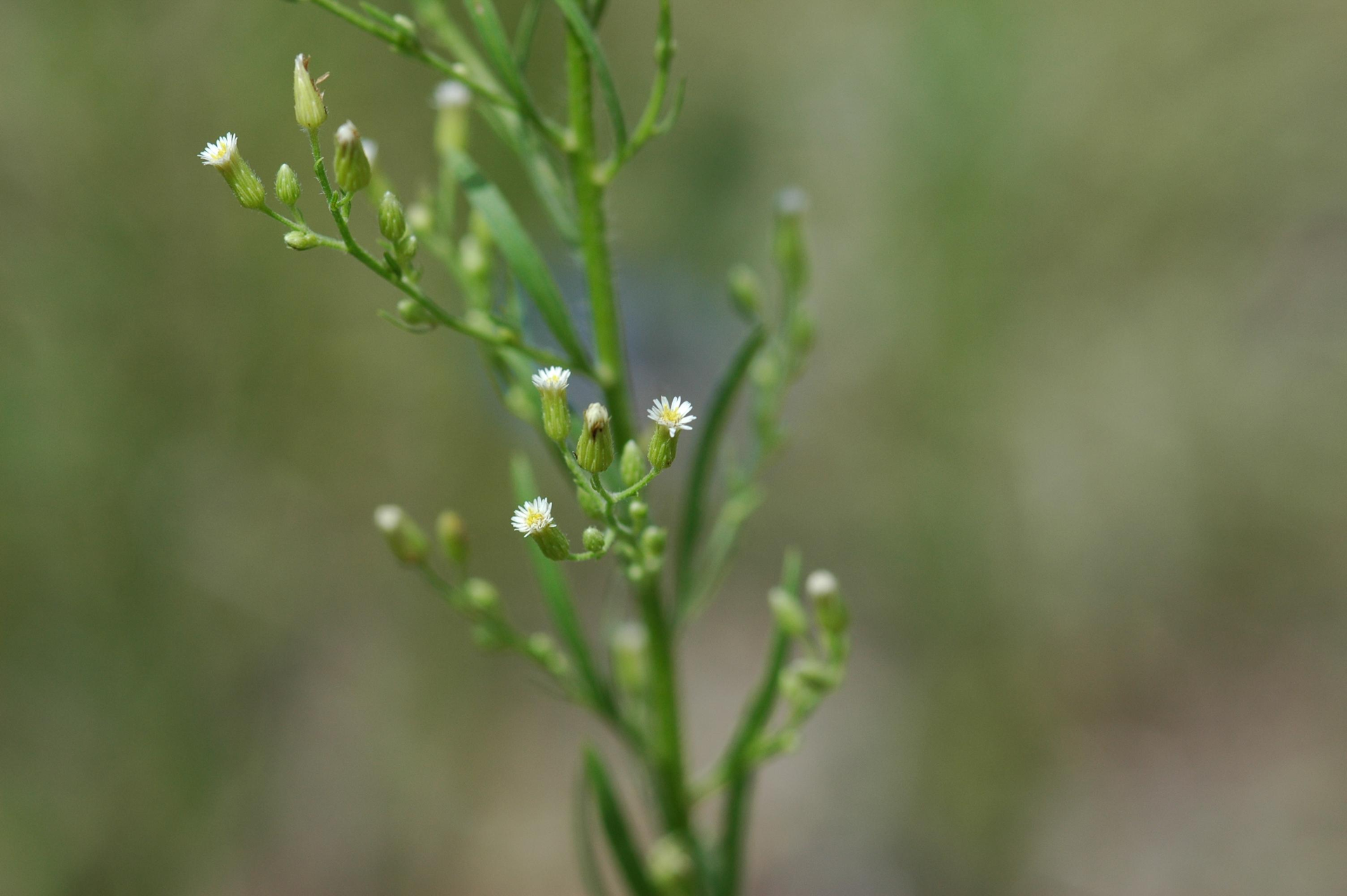
Horseweed (Conyza canadensis) | Erect annual or biennial with a single central stem, narrow leaves, and many small white to pale-yellow flower heads near the top. Often forms dense stands in open ground. (1–6 feet tall) | Native pioneer species that rapidly occupies bare soil and disturbed areas. Can compete with newly established native plantings and produce large quantities of wind-dispersed seed. |
|
|
|
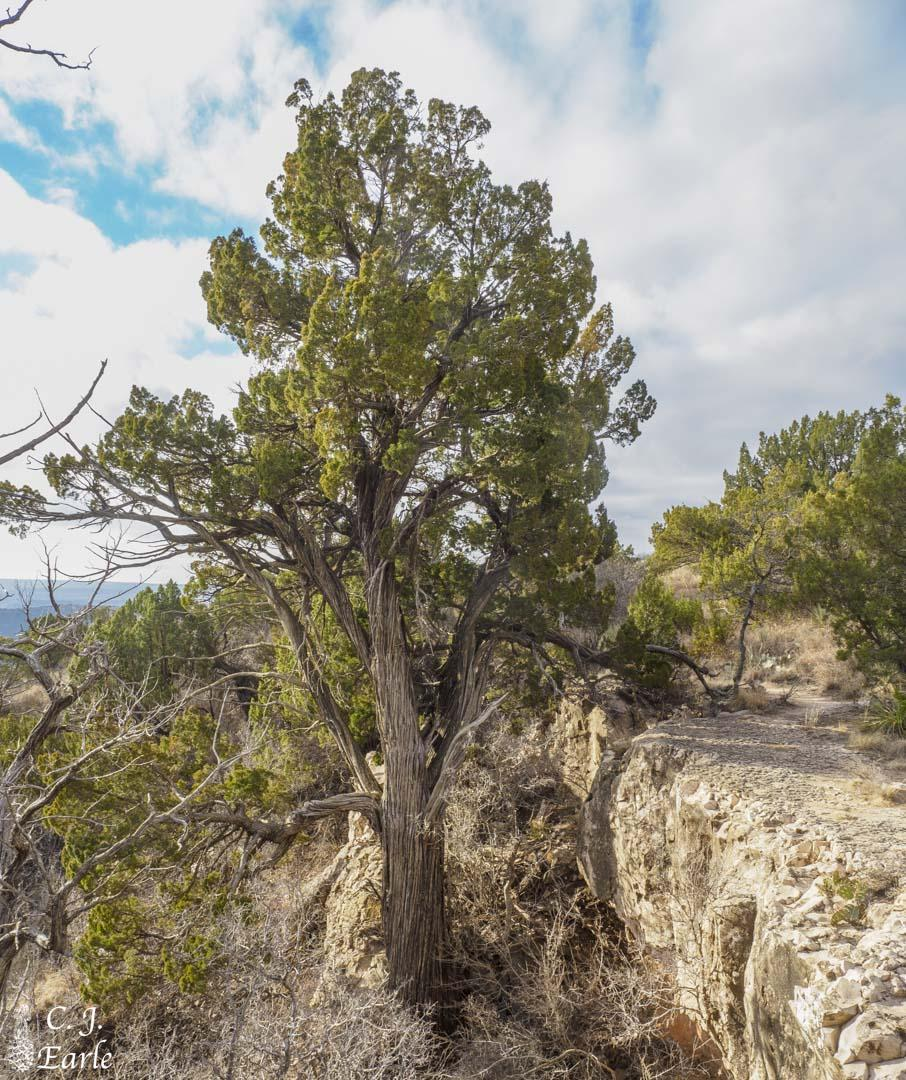
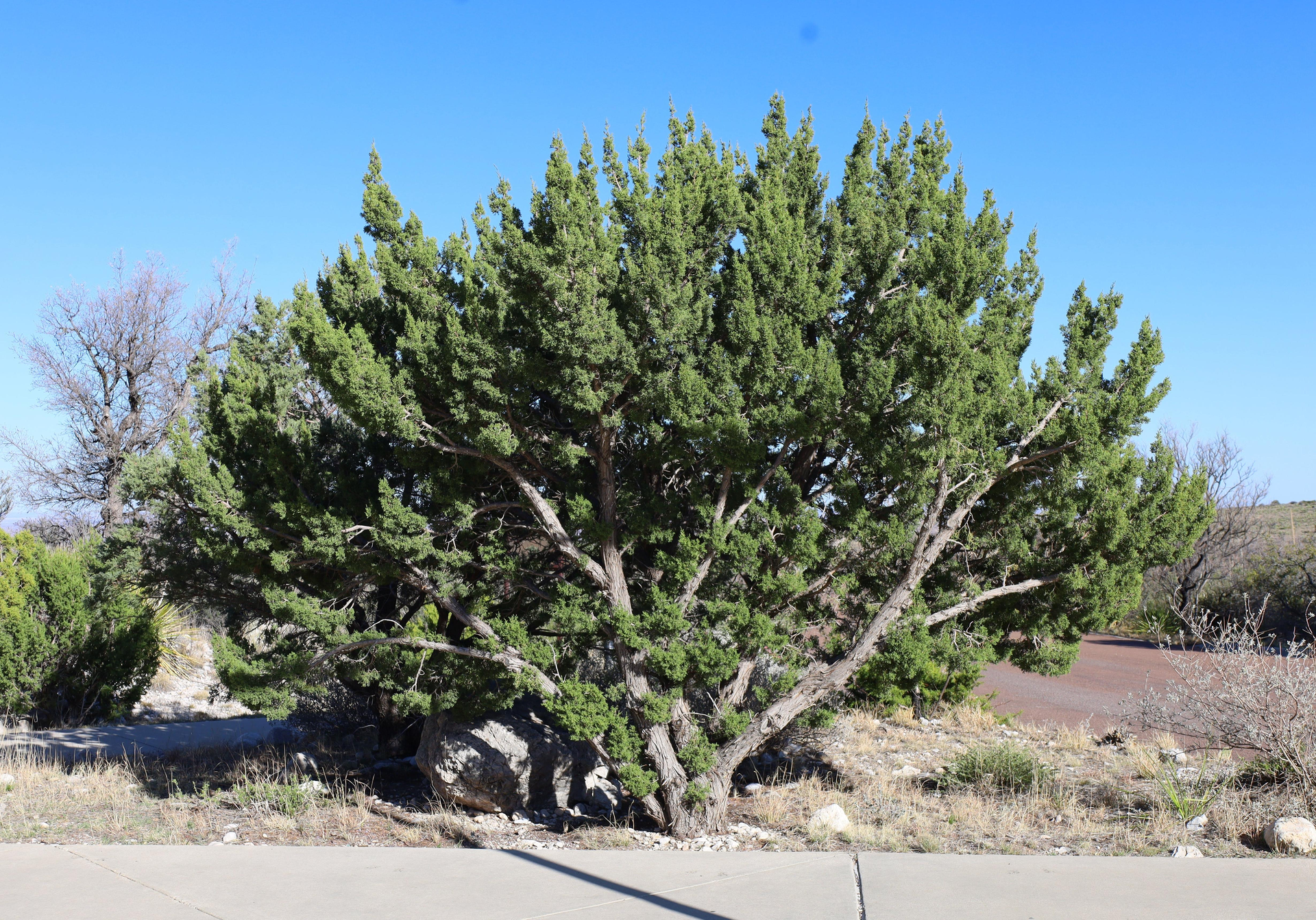
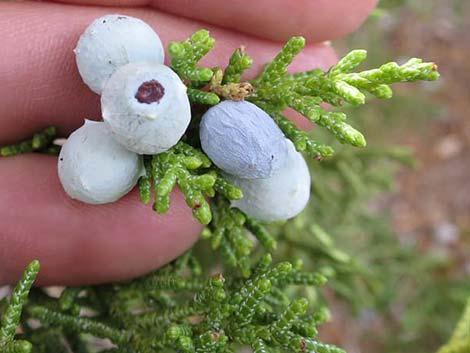
One-seed Juniper (Juniperus monosperma) | Evergreen tree or large shrub with dense rounded form, scale-like foliage, bluish berry-like cones, and fibrous bark. Seedlings often emerge beneath mature trees. (10–25 feet tall, occasionally larger) | Native species that can encroach into grasslands when natural fire regimes are absent. Dense stands may reduce forage production, alter habitat, and compete for soil moisture. Sharp foliage and dense growth can limit access and suppress grasses. |
|
|
|
Thorny, Spiny, or "Poky" Natives
| Species | Key Identification Features | Why It Is a Concern |
|---|---|---|
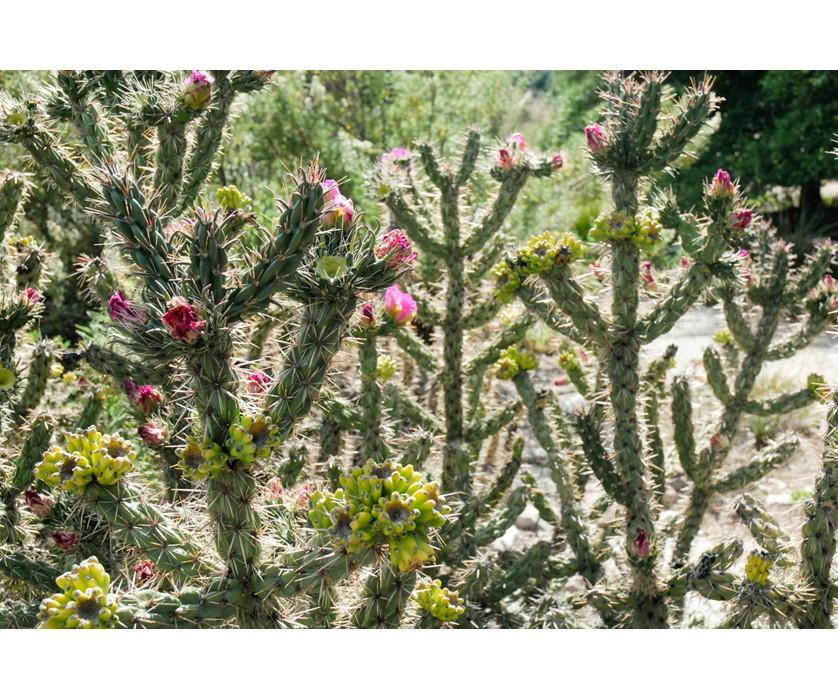
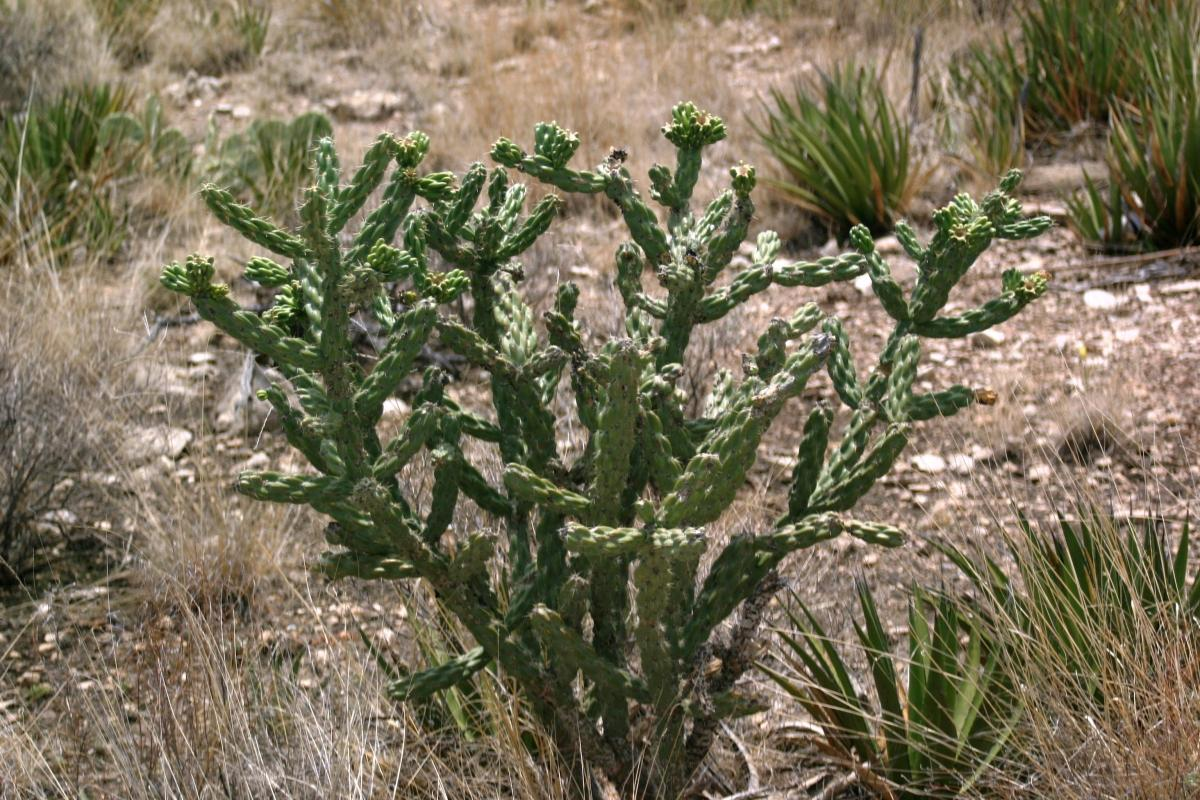
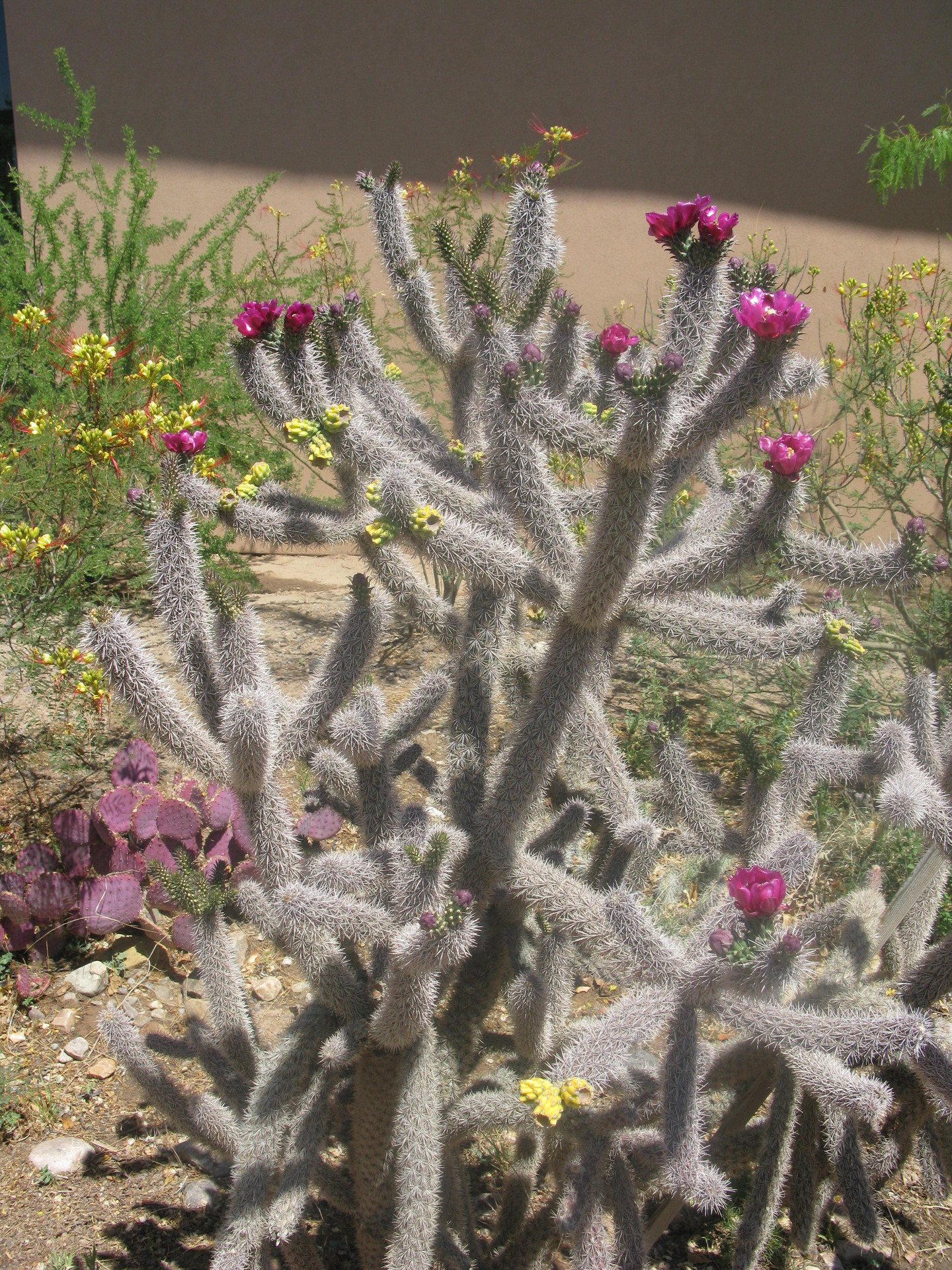
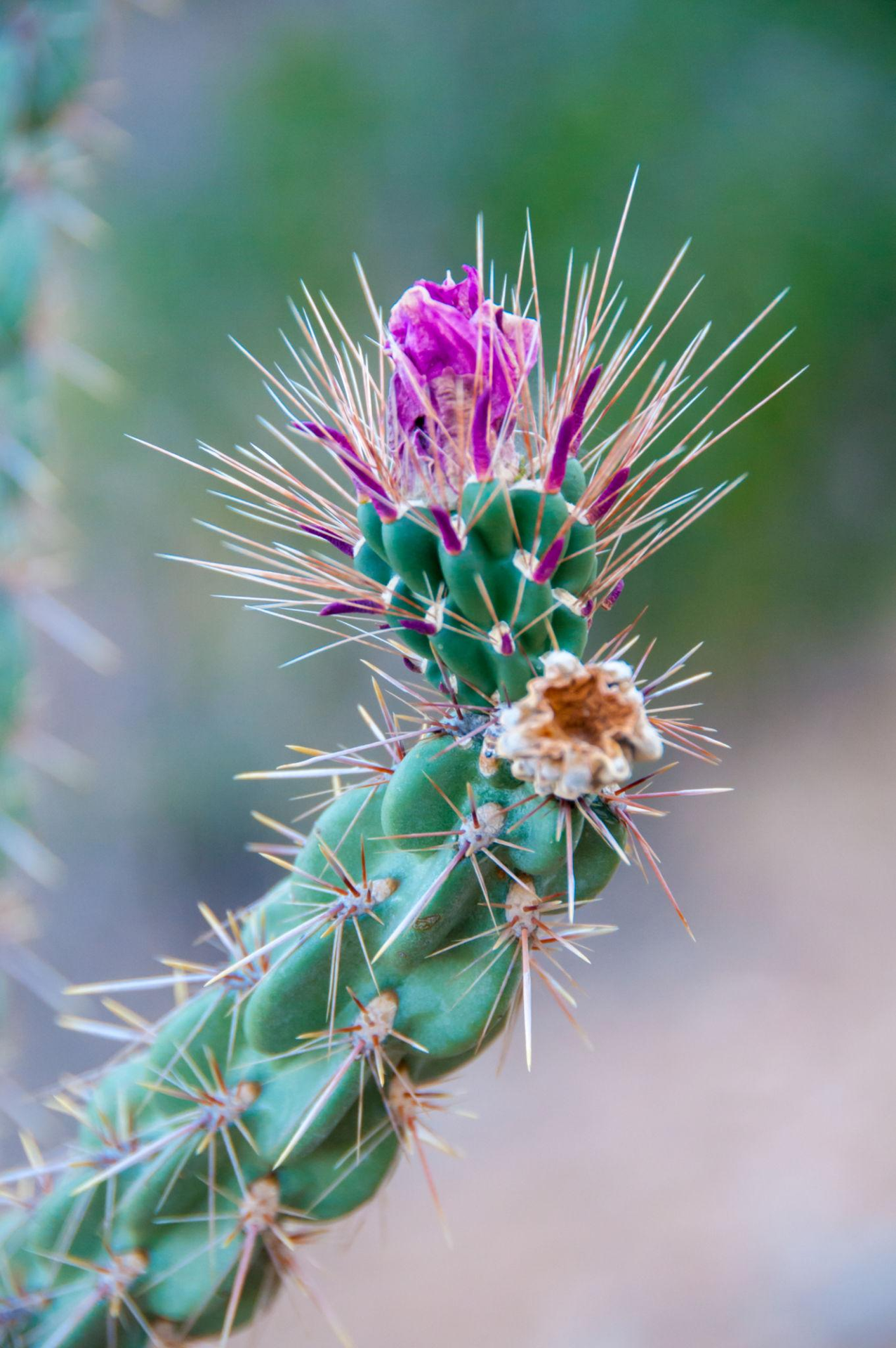
Cholla, especially Walkingstick Cholla (Cylindropuntia imbricata) and Cane Cholla (Cylindropuntia spinosior) | Upright, multi-branched cactus with cylindrical stem segments. Often forms sprawling or shrub-like colonies. Produces pink to purple flowers and yellow fruit. Stem segments detach easily when disturbed. | 2–8 feet tall | Native cactus that provides wildlife habitat and nesting sites. Sharp spines create hazards around homes, trails, and livestock operations. Detached segments readily attach to people, pets, and wildlife. |
|
|
|
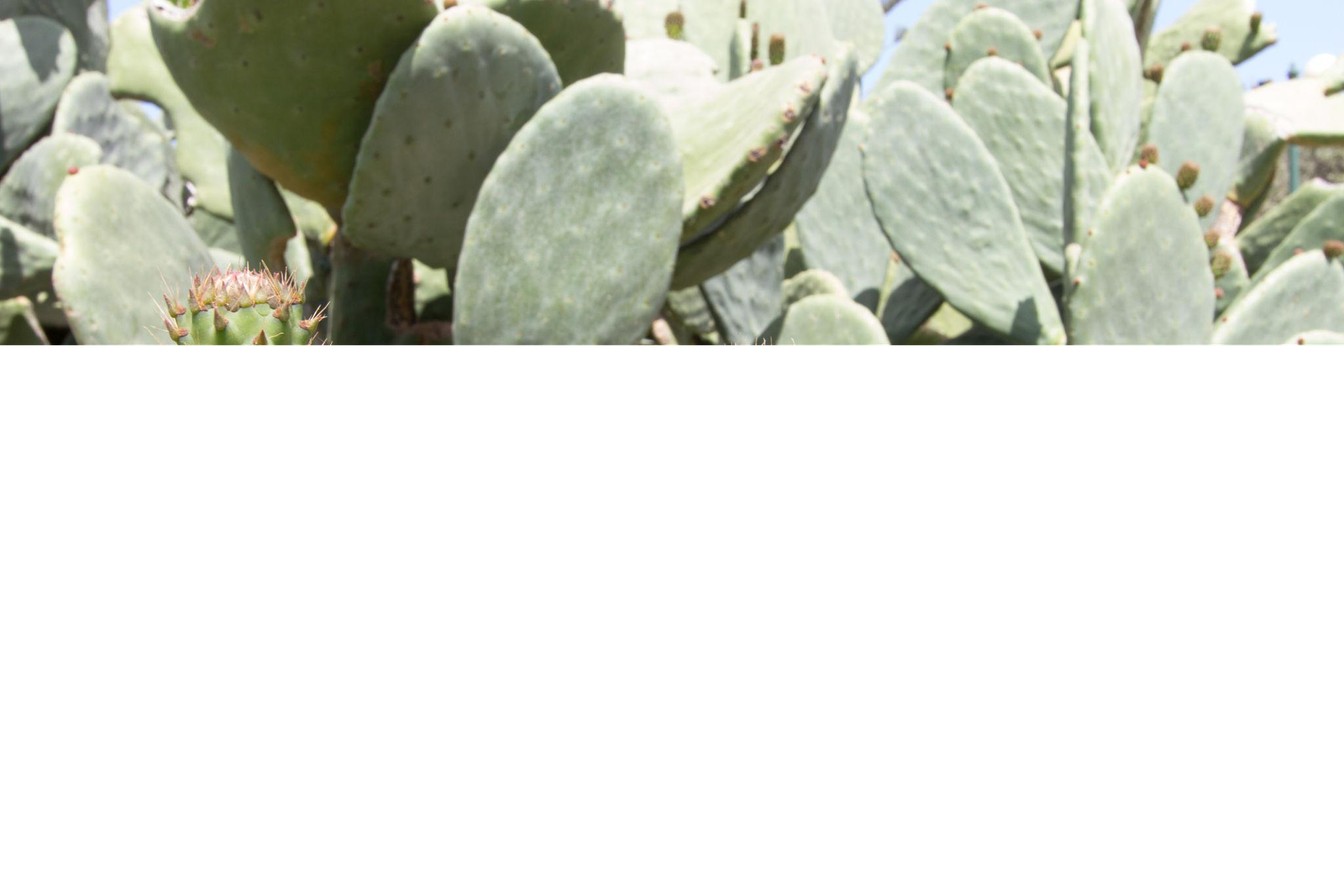
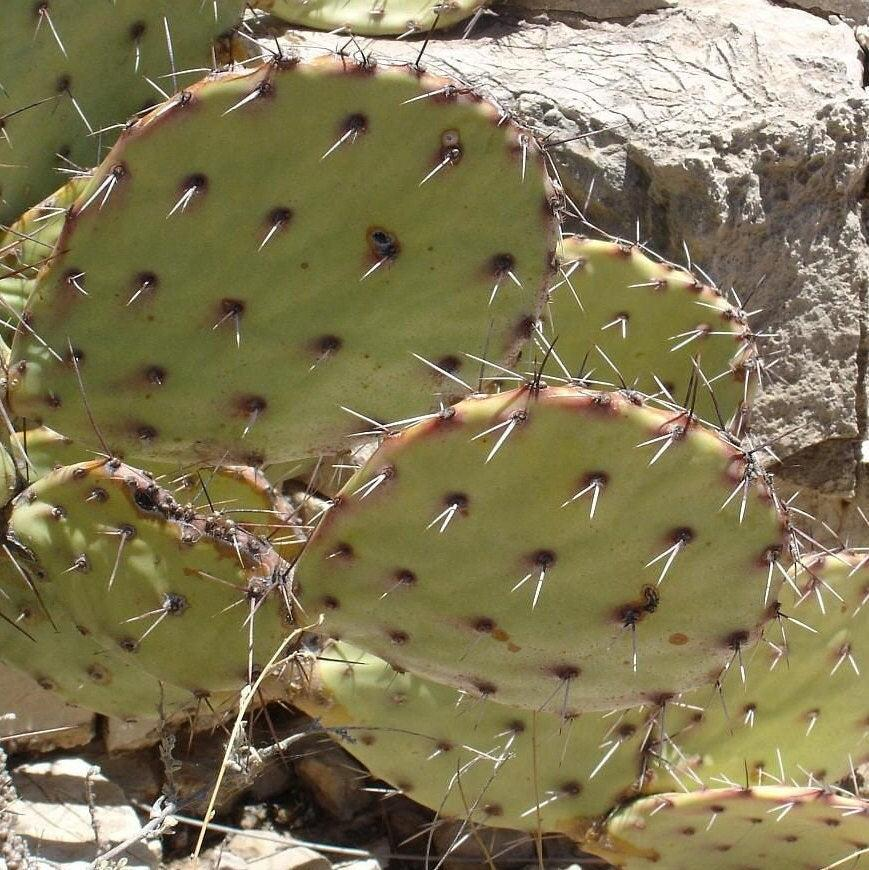
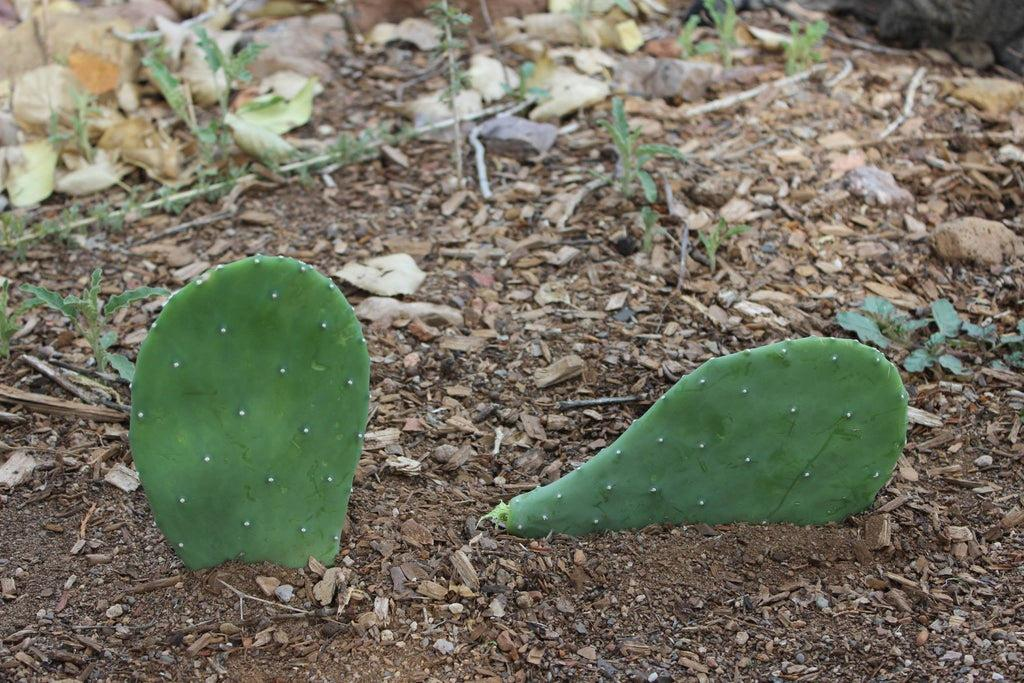
Prickly Pear (Opuntia spp.) | Flat, paddle-shaped pads with clusters of spines and tiny barbed glochids. Produces colorful flowers and fleshy fruits ("tunas"). | 6 inches–6 feet tall, depending on species | Pads and glochids (tiny barbed hairs) can injure people, pets, and livestock. Fragments may root and spread into trails, work areas, and drainage features. |
|
|
|
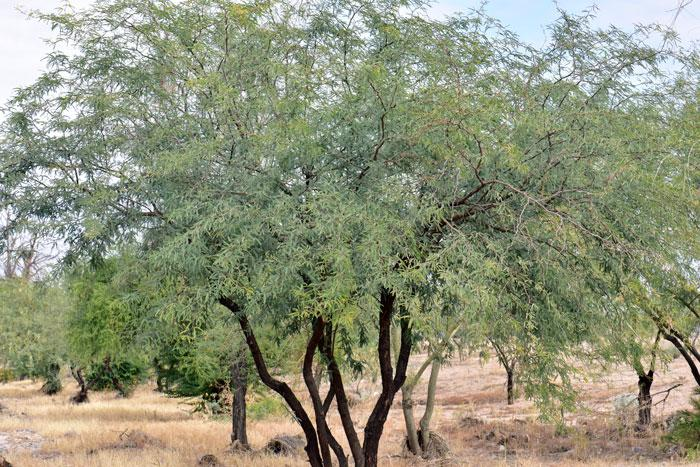
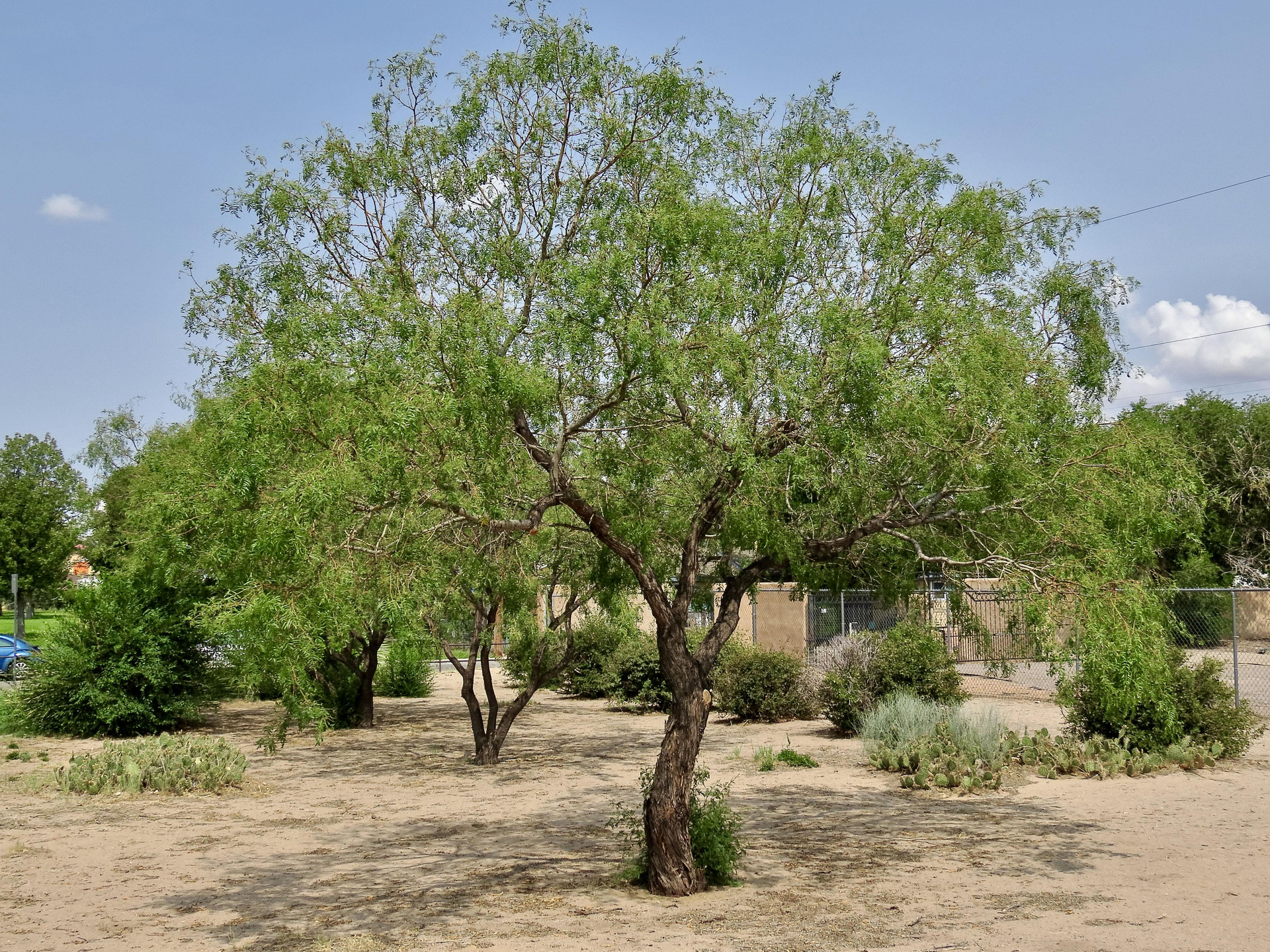
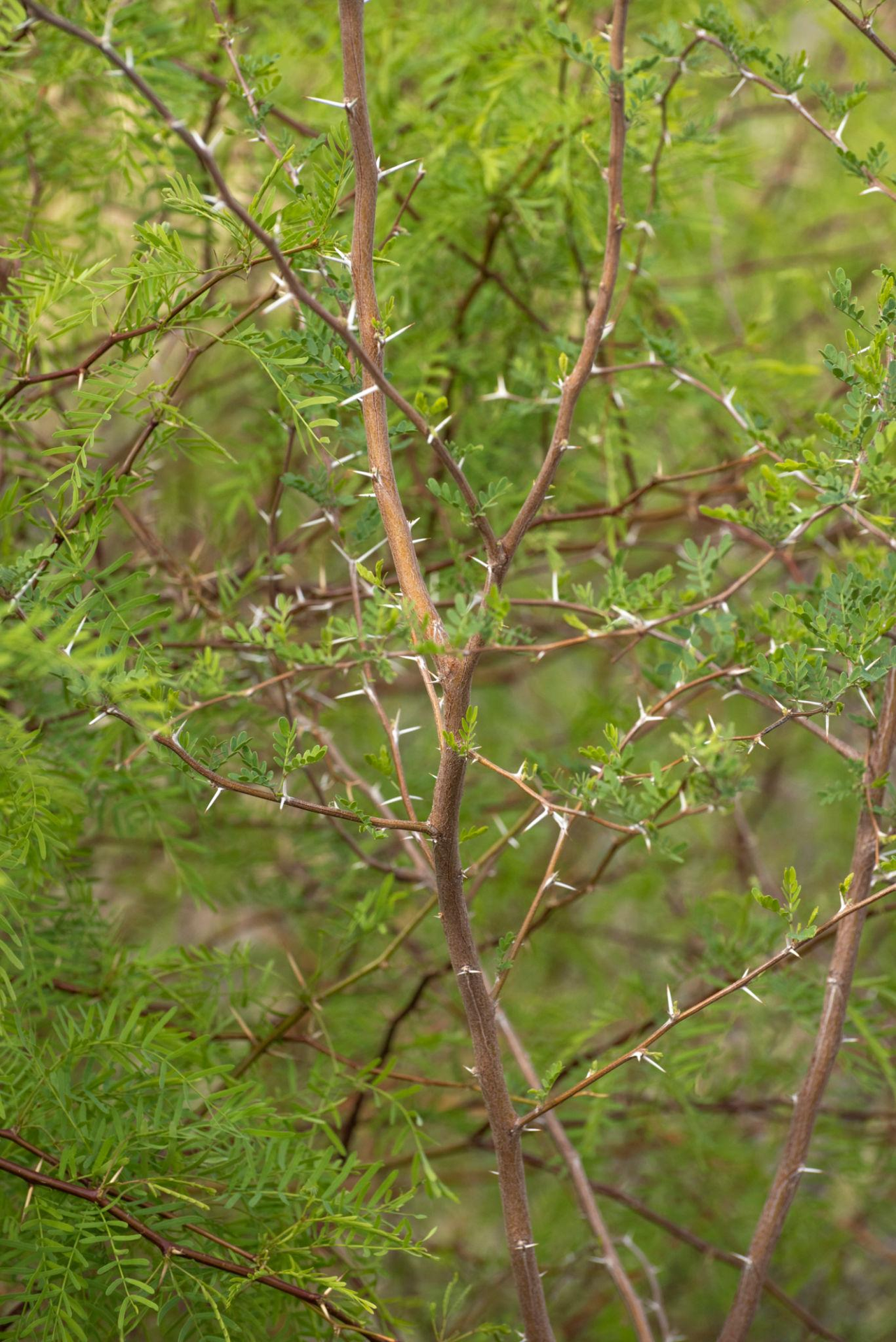
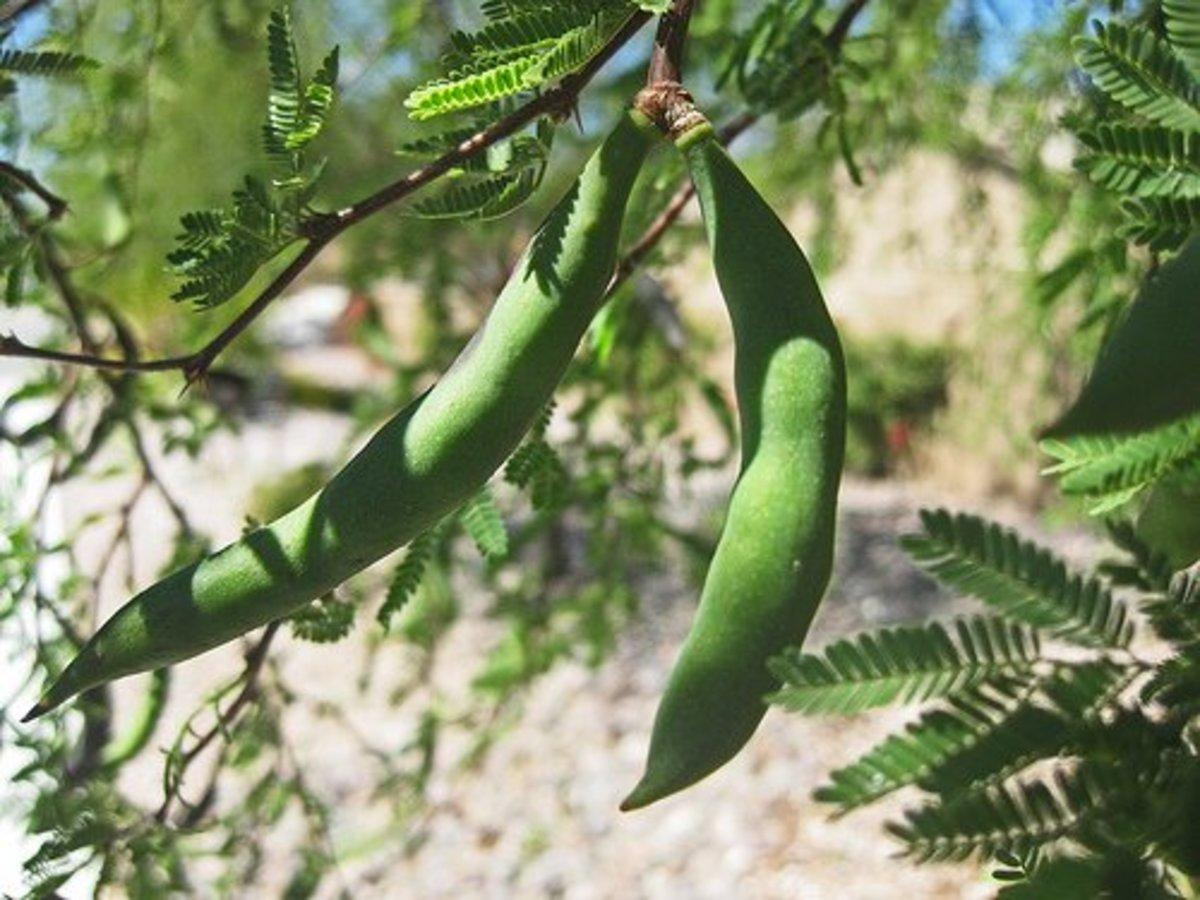
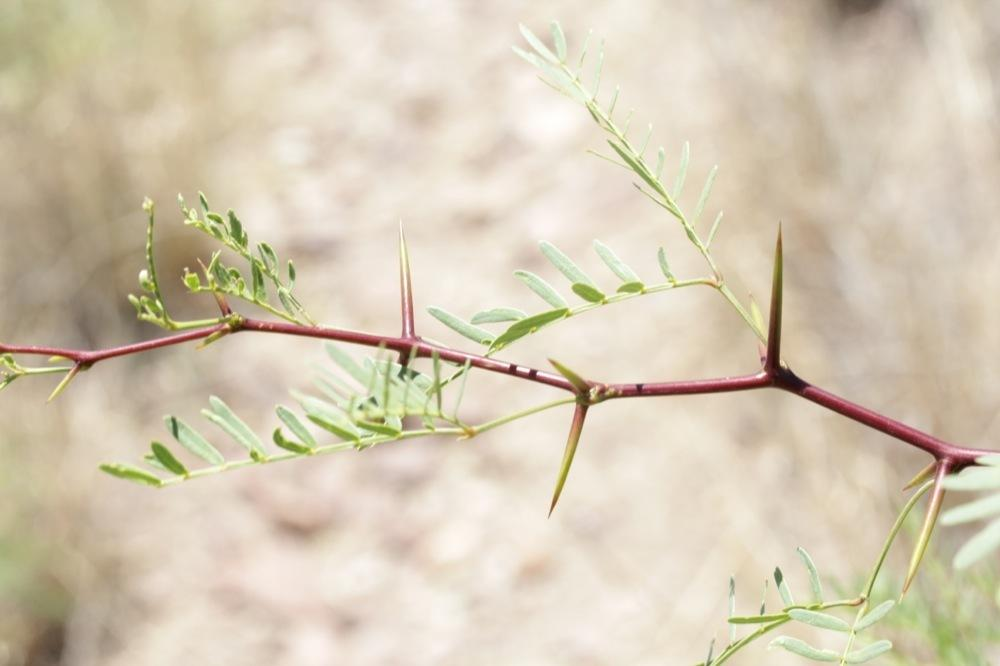
Mesquite (Prosopis glandulosa and P. velutina) | Shrub or small tree with fern-like compound leaves, sharp thorns, and bean-like seed pods. Often develops multiple stems from the base. | 6–30 feet tall | Long, strong thorns. Native to parts of New Mexico, it provides wildlife habitat and soil stabilization but can aggressively invade grasslands, reducing grazing capacity and competing for water. Deep root systems make removal difficult. |
|
|
|
Foxtails
Many plants called “foxtails” are grasses with bristly seed heads. Some are native and some are introduced. Their sharp seeds can lodge in pets’ ears, noses, paws, and skin, making them undesirable near homes and recreation areas. Examples include:
| Species | Key Identification Features | Why It Is a Concern |
|---|---|---|
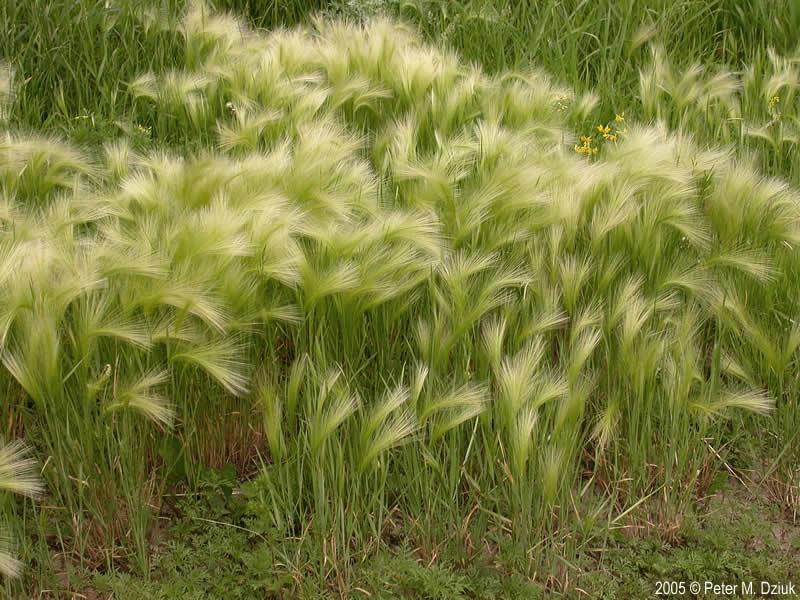
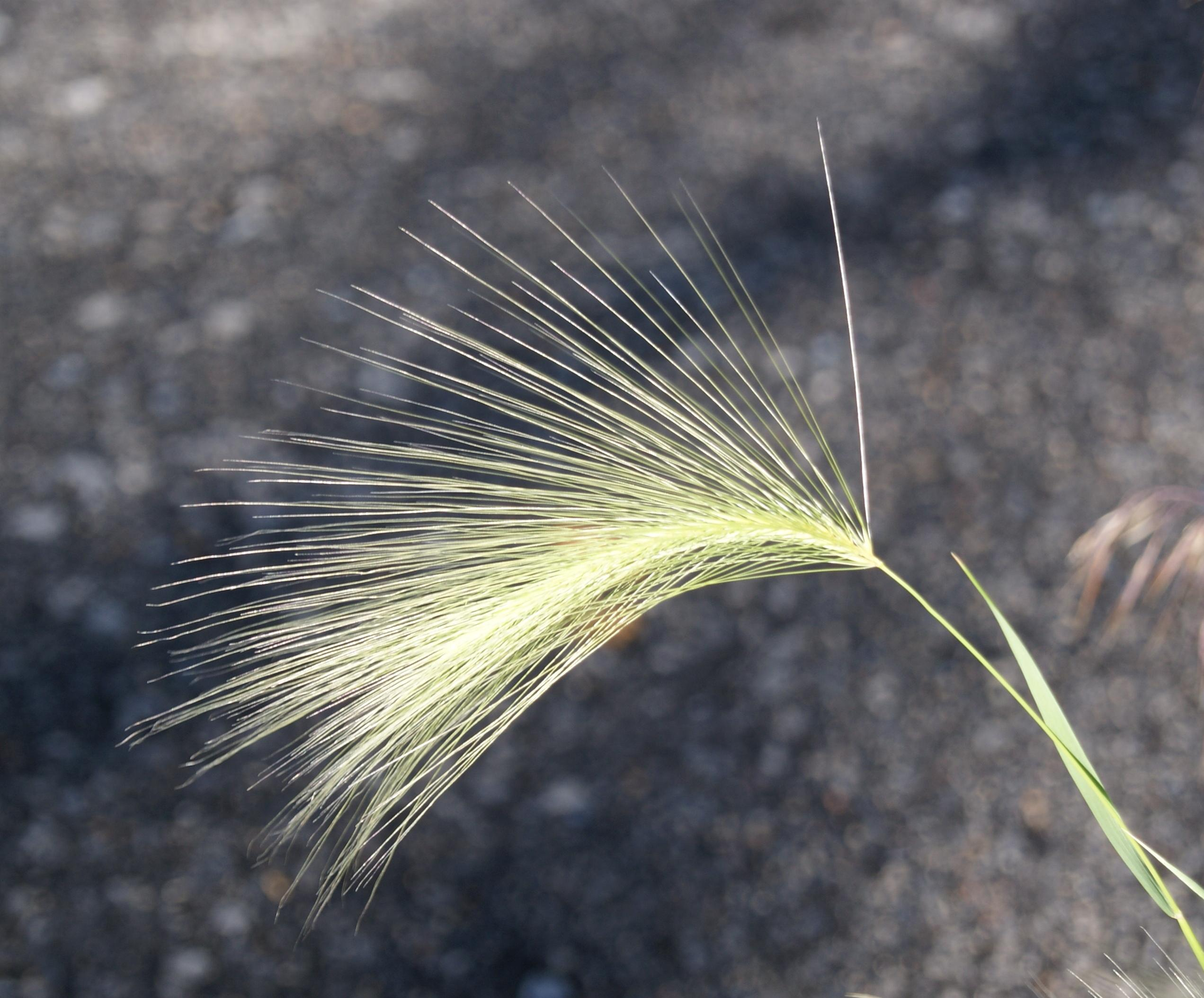
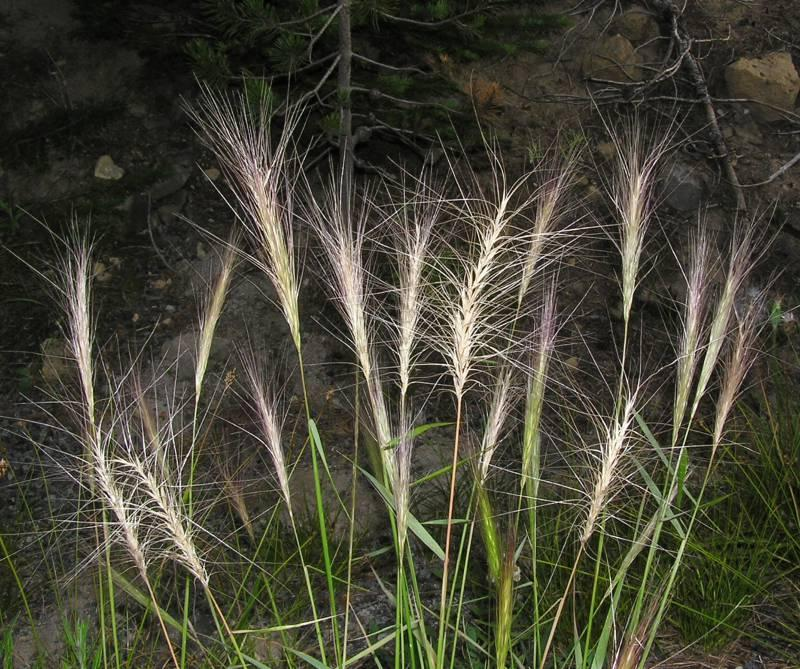
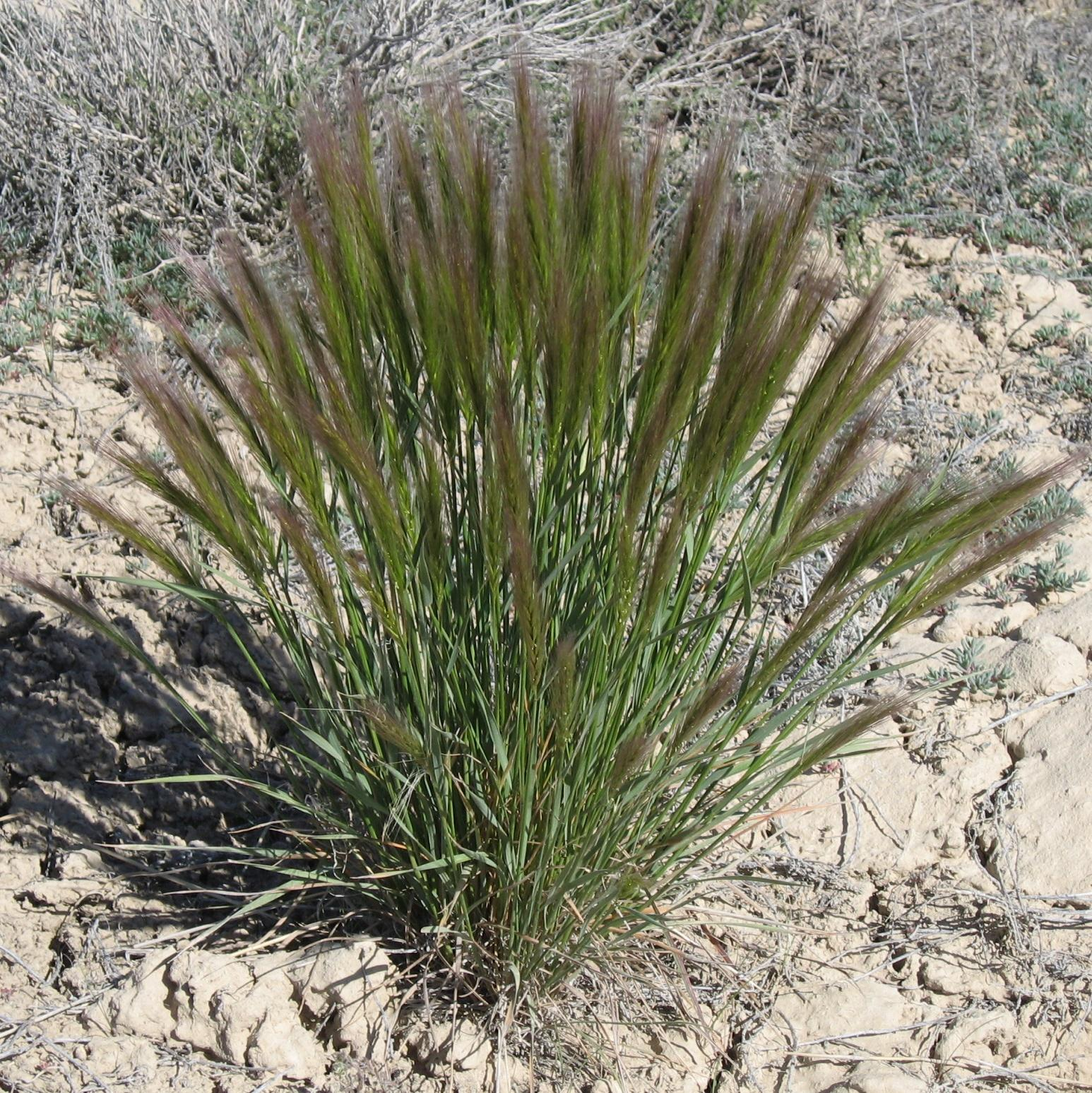
Foxtail Barley (Hordeum jubatum) | Clump-forming grass with soft-looking, silky seed heads that are often pink, silver, or purple when young. Mature awns become stiff and sharp. Common in moist or saline soils. | 1–3 feet tall | Native in parts of the western U.S., has soft-looking but sharp, bristly seed heads. Seed heads can injure pets and livestock by lodging in ears, eyes, noses, and skin. Can spread aggressively in disturbed areas. |
|
|
|
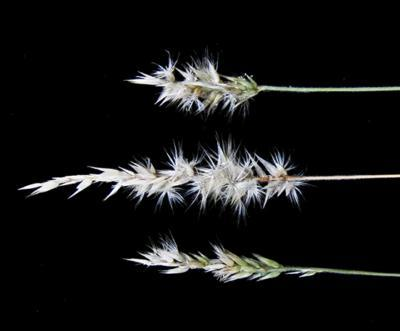
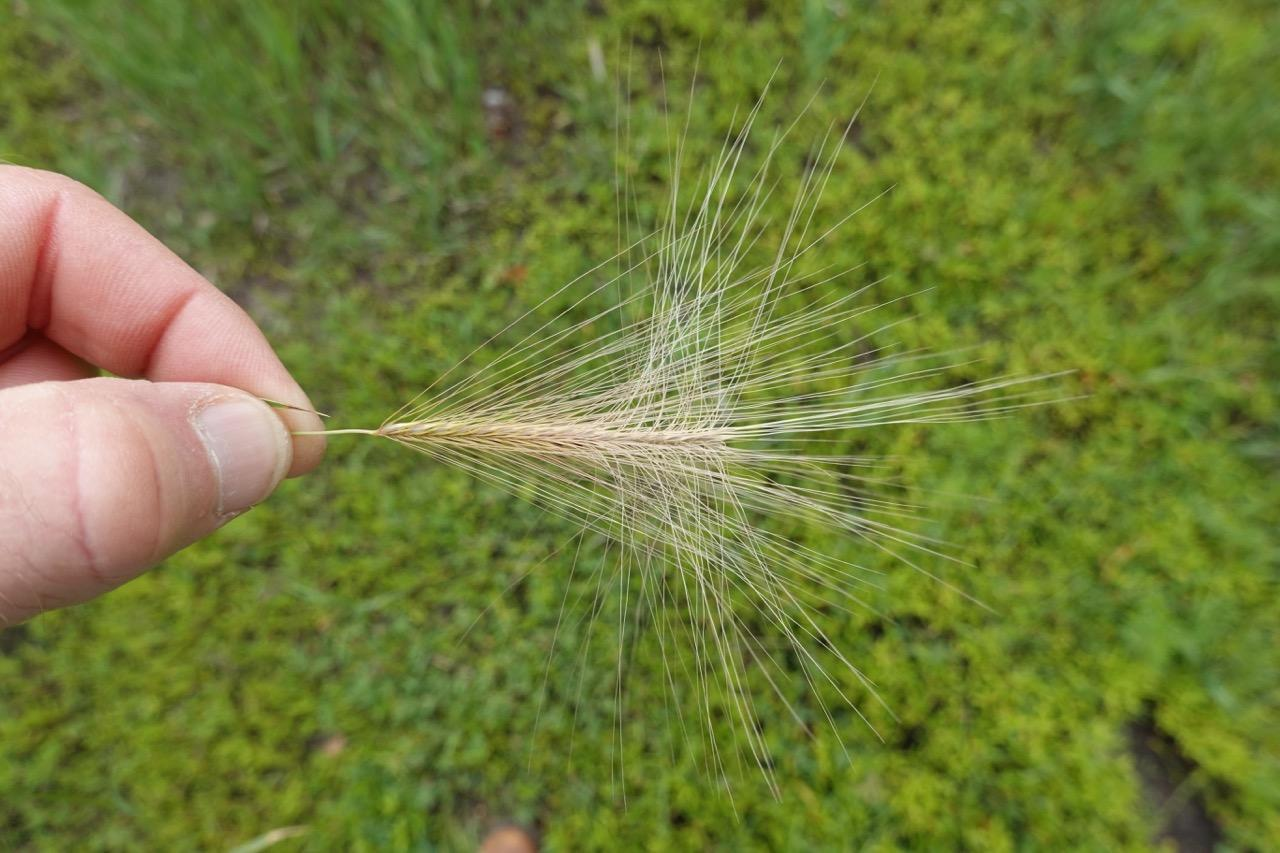
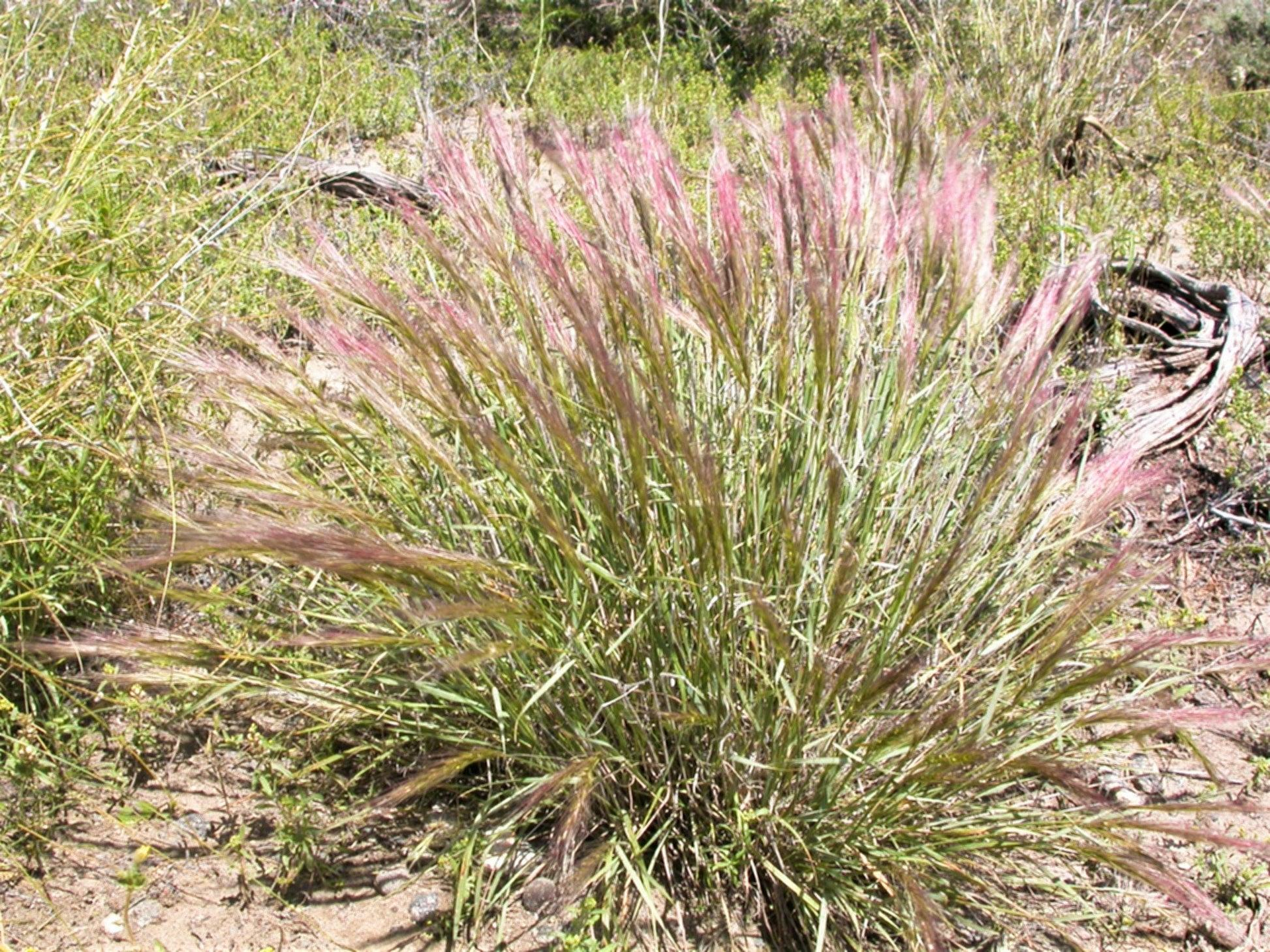
Bottlebrush Squirreltail (Elymus elymoides) | Native bunchgrass with dense, cylindrical seed heads and very long awns (bristles) that give the seed head a bottlebrush or fox-tail appearance. Seed heads become straw-colored as they mature. | 1–3 feet tall | Native grass with long awns that resemble a fox’s tail. Native and valuable for restoration, but mature awns can become embedded in animal fur, eyes, ears, and mouths. Can create nuisance conditions in areas frequented by pets or livestock. |
|
|
|
Quick Comparison: Often Confused Species
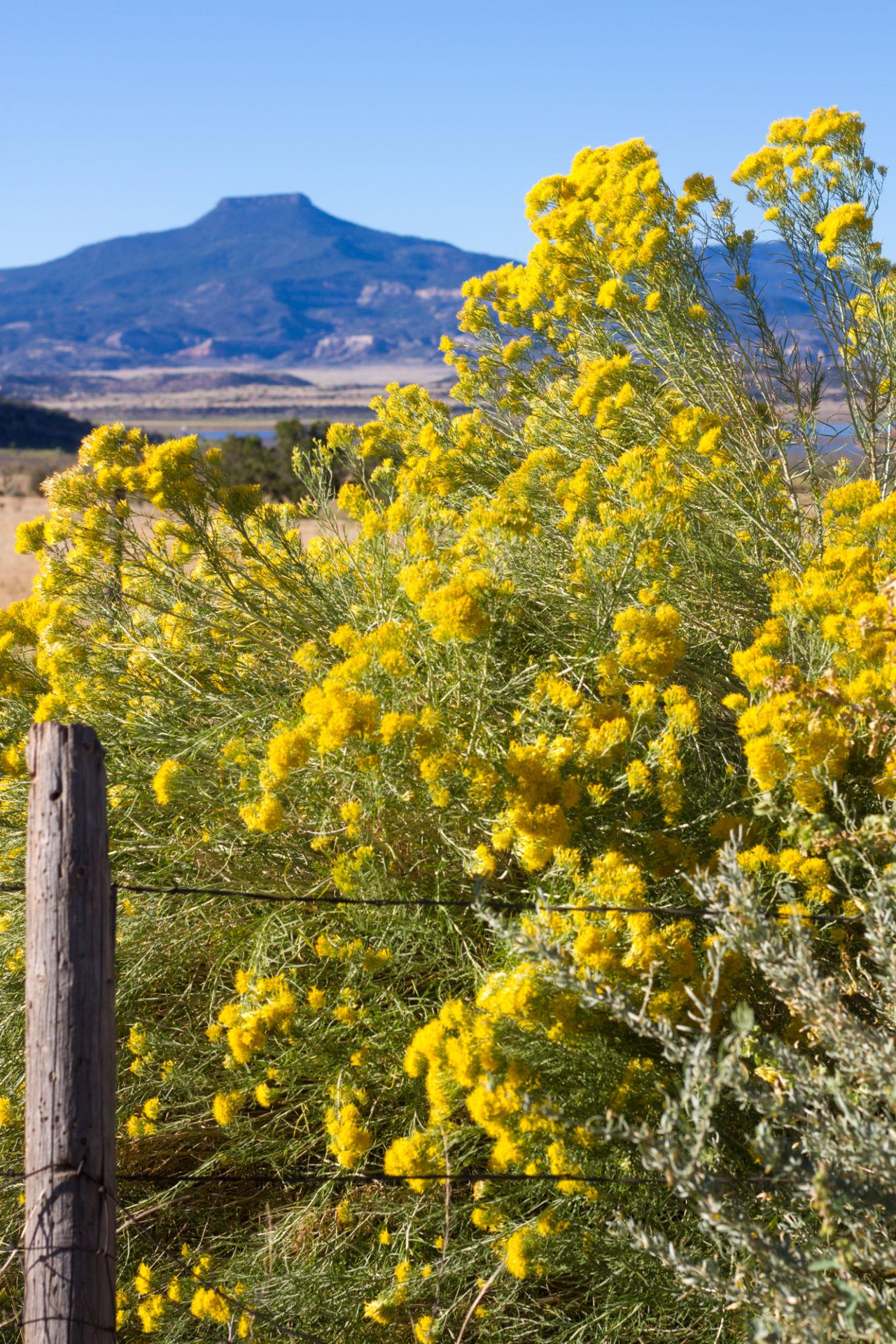
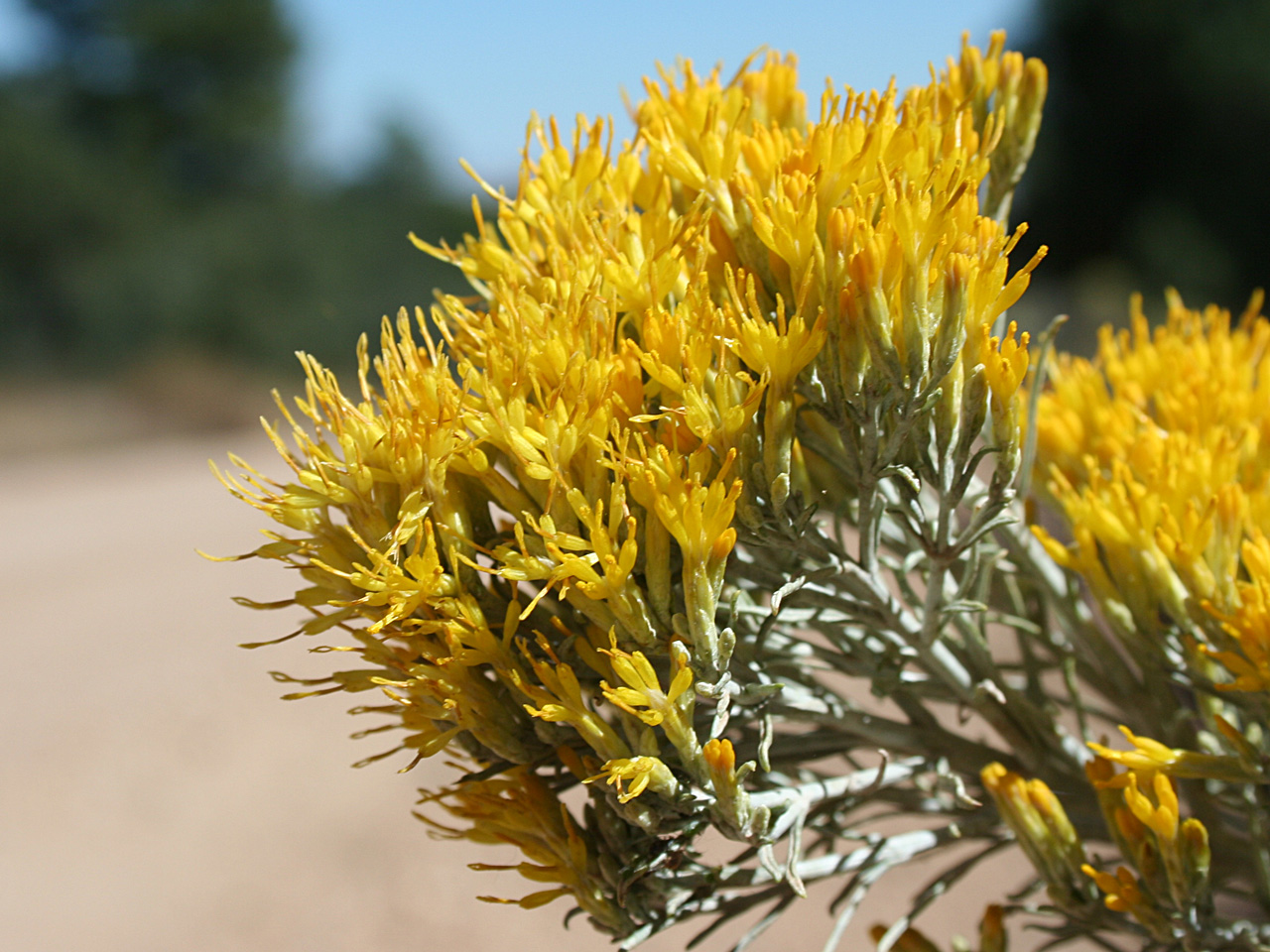
· Snakeweed vs. rabbitbrush

Snakeweed: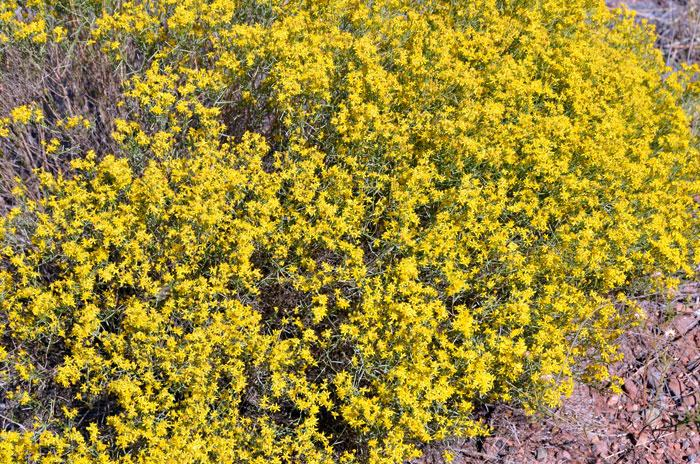
Rabbitbrush: