Stormwater Conveyance and Management
Turning Problems into Solutions
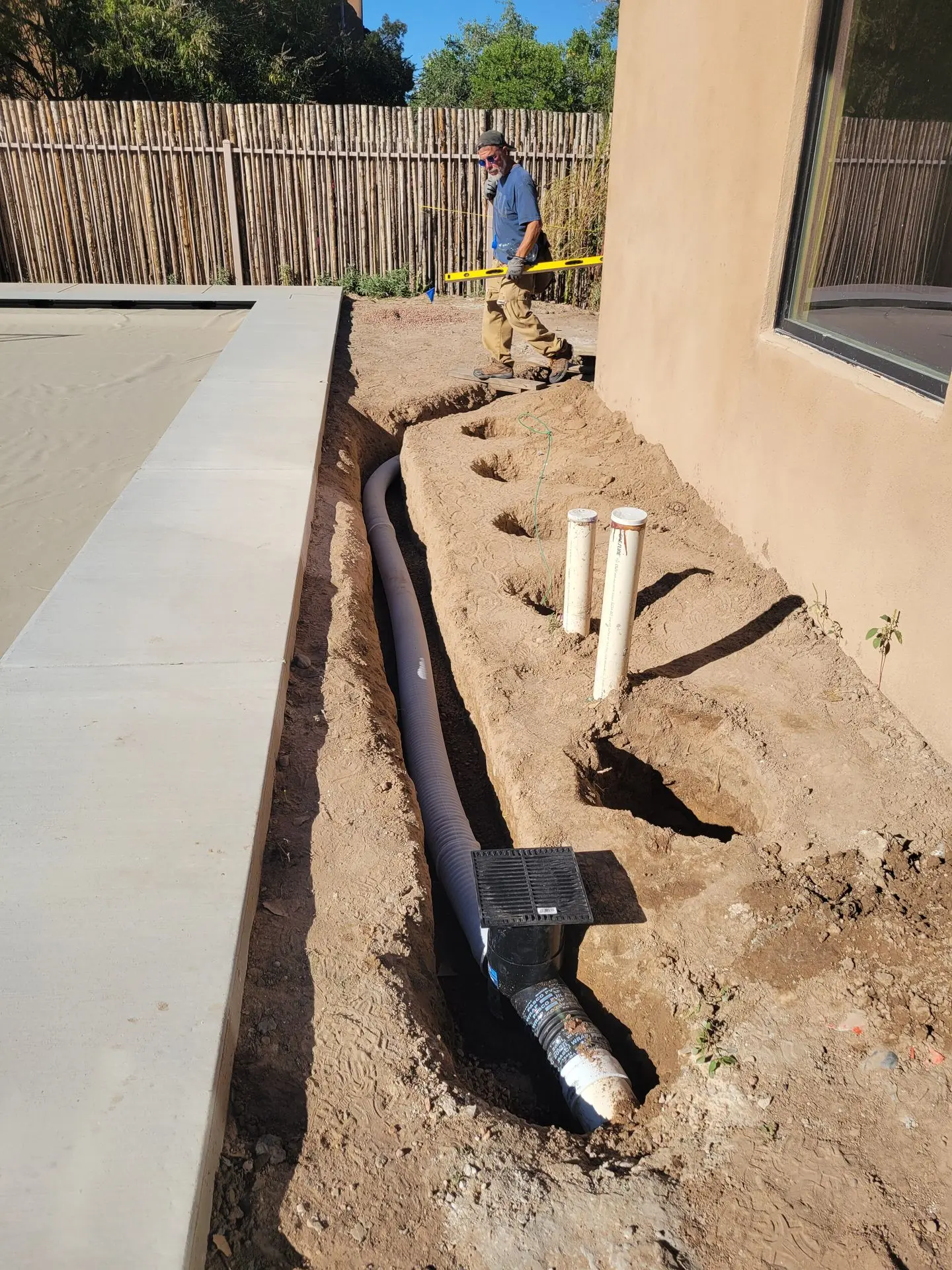
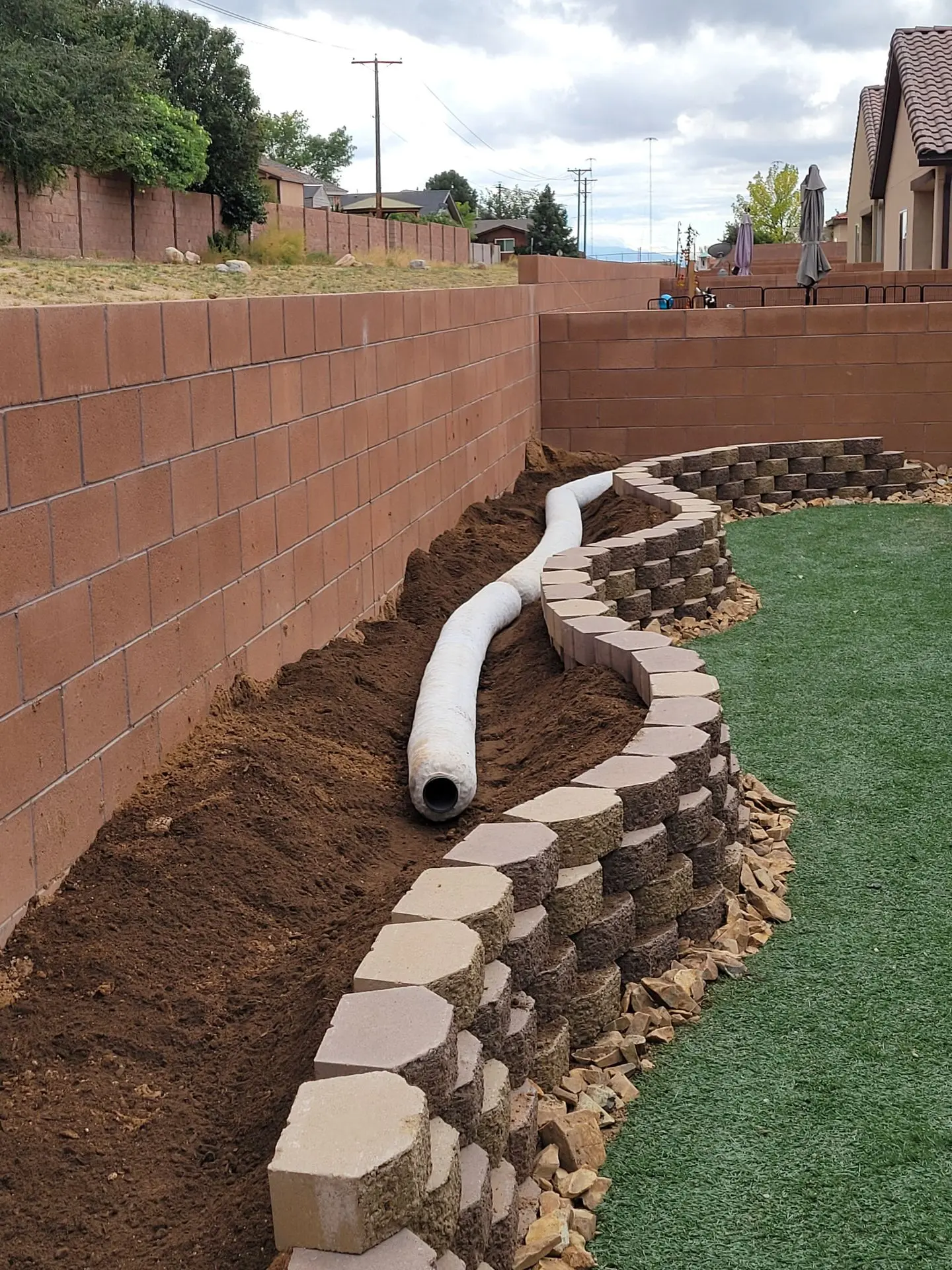
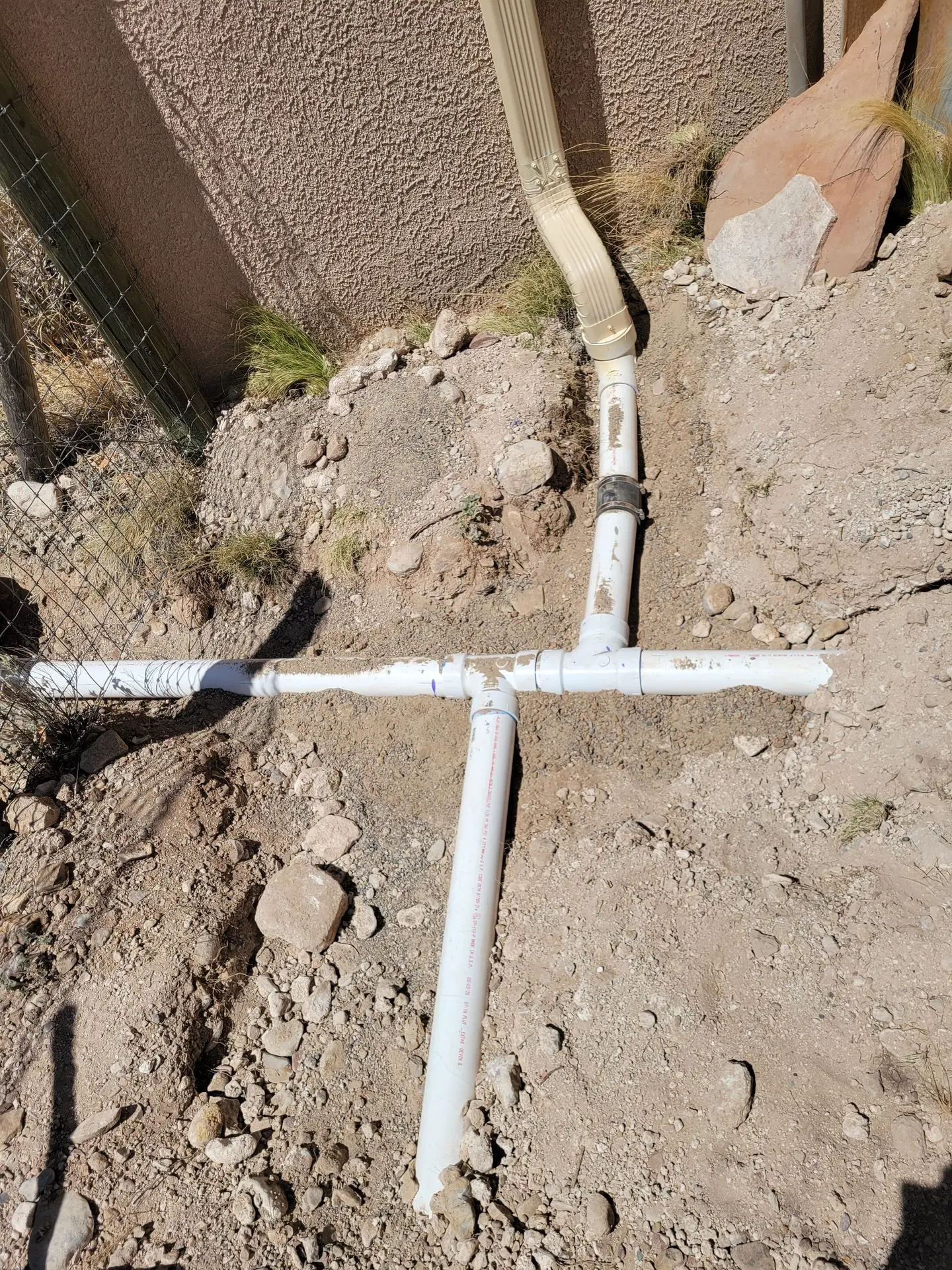
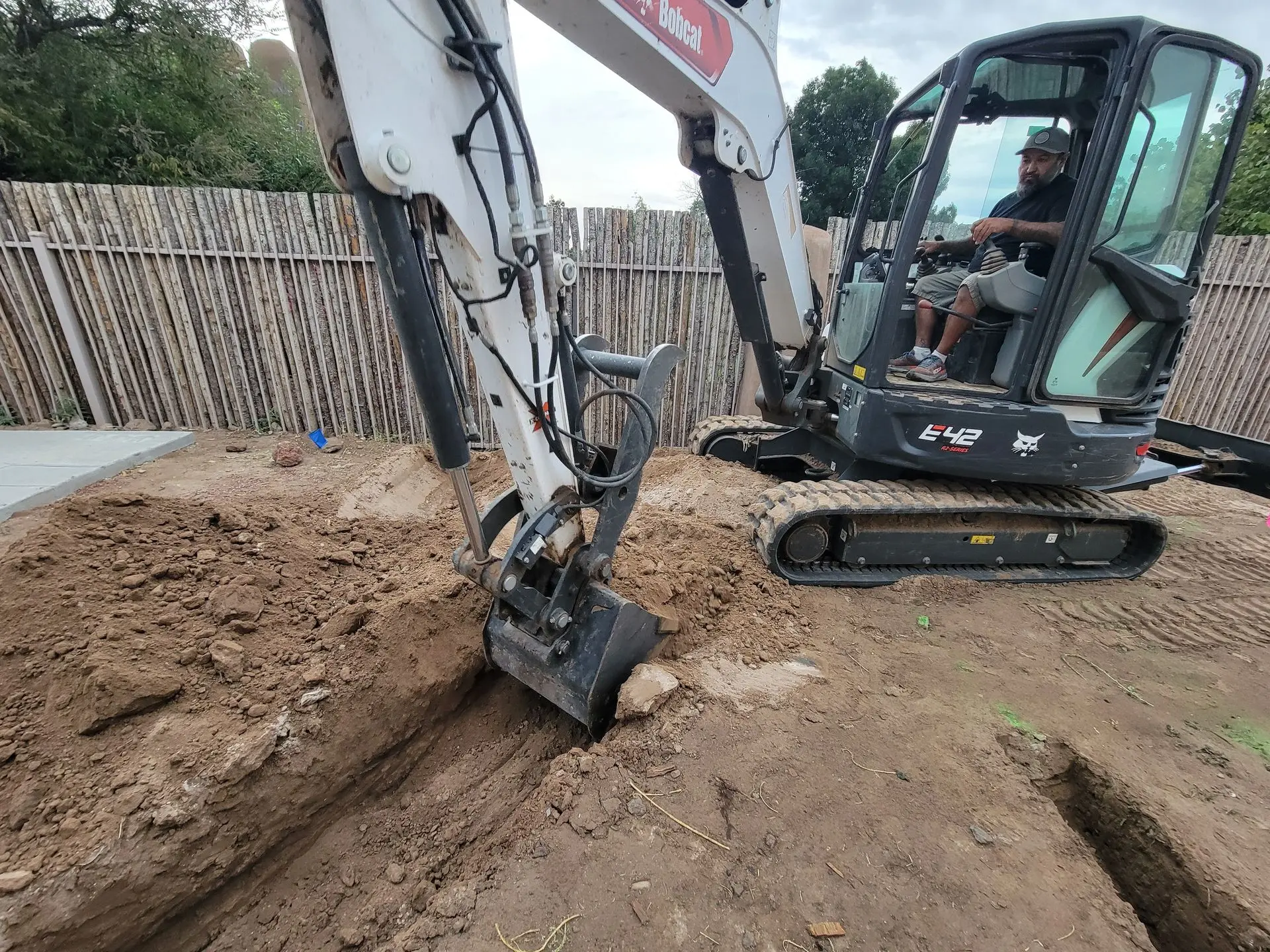
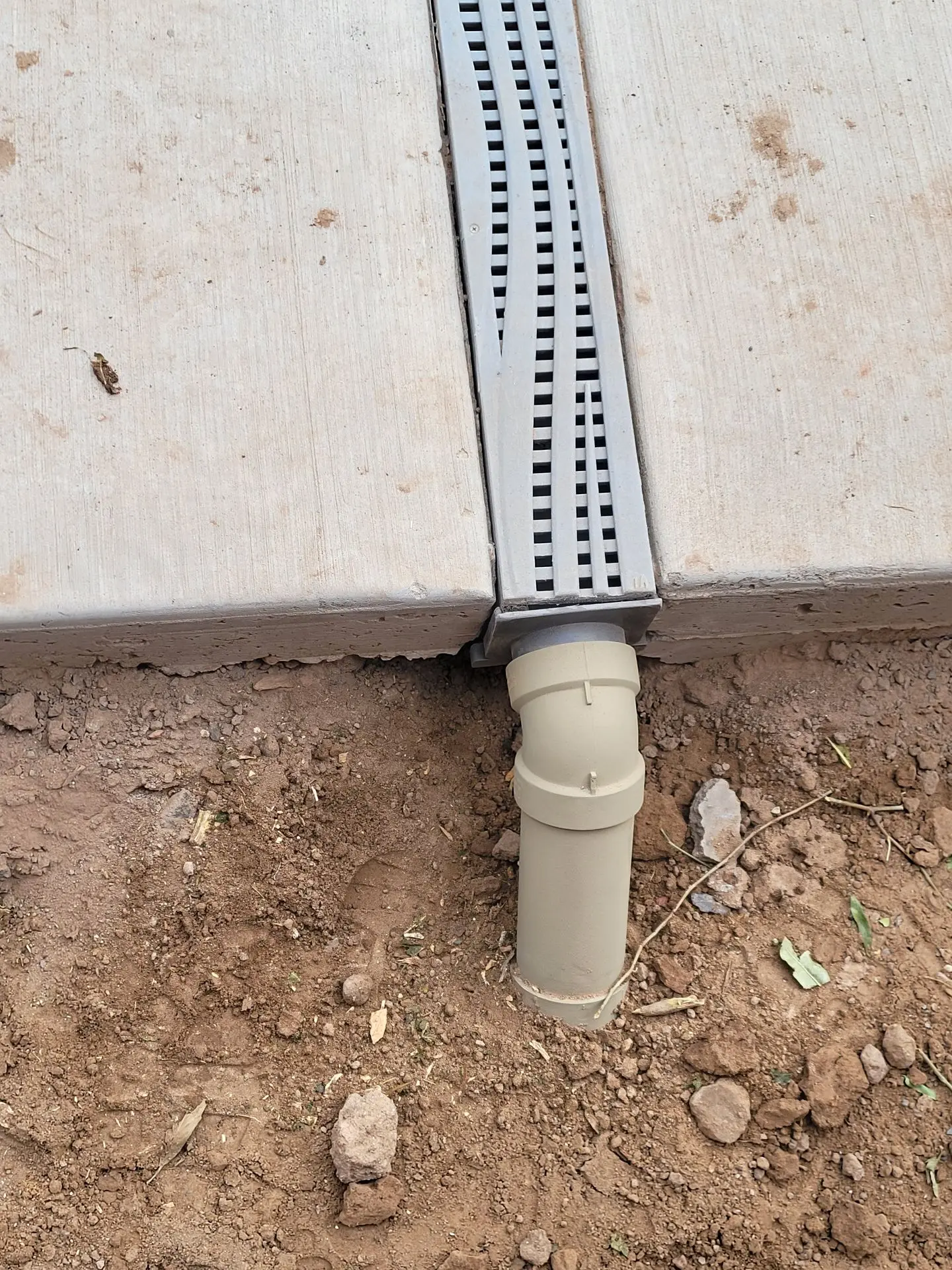
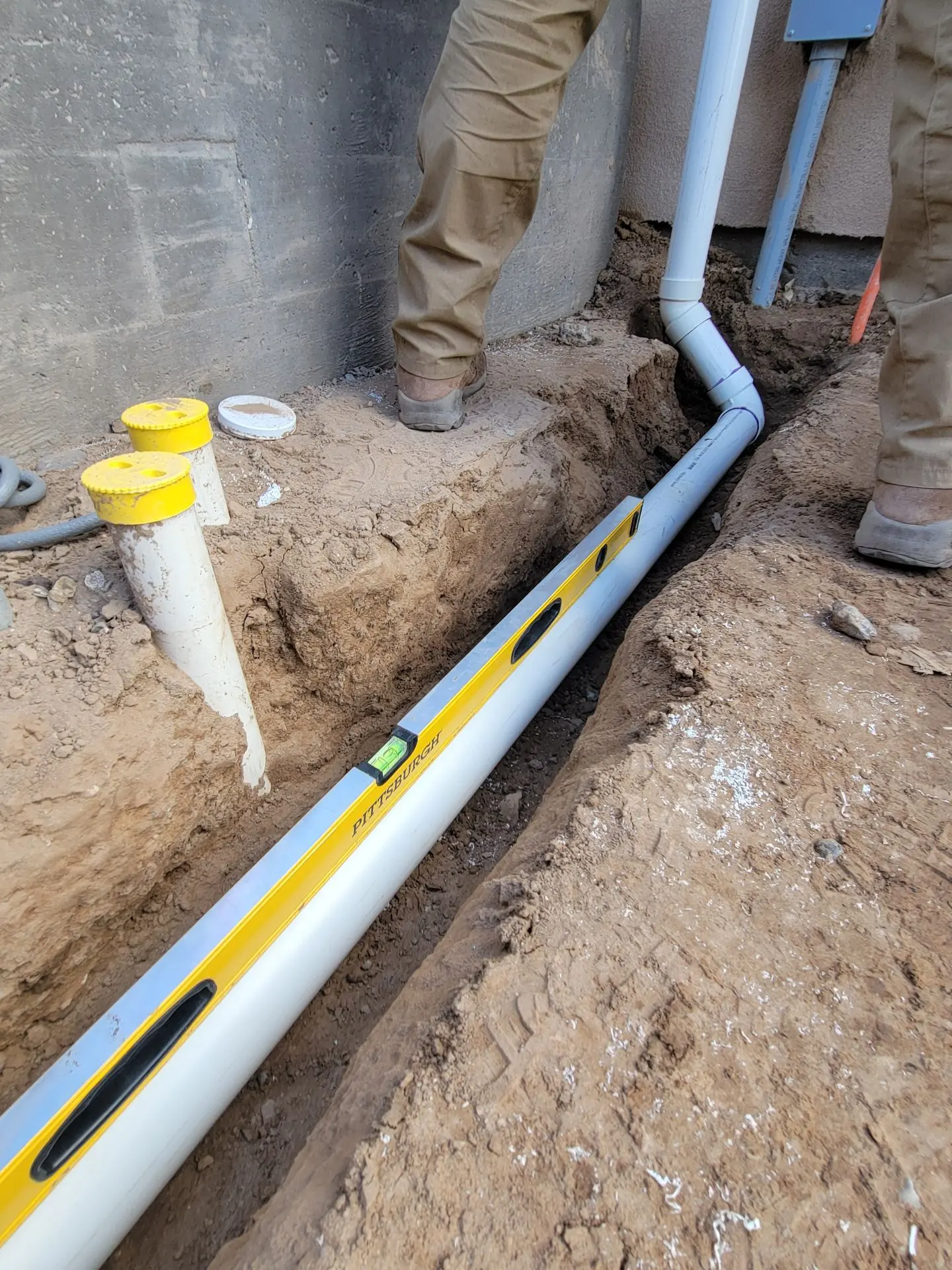
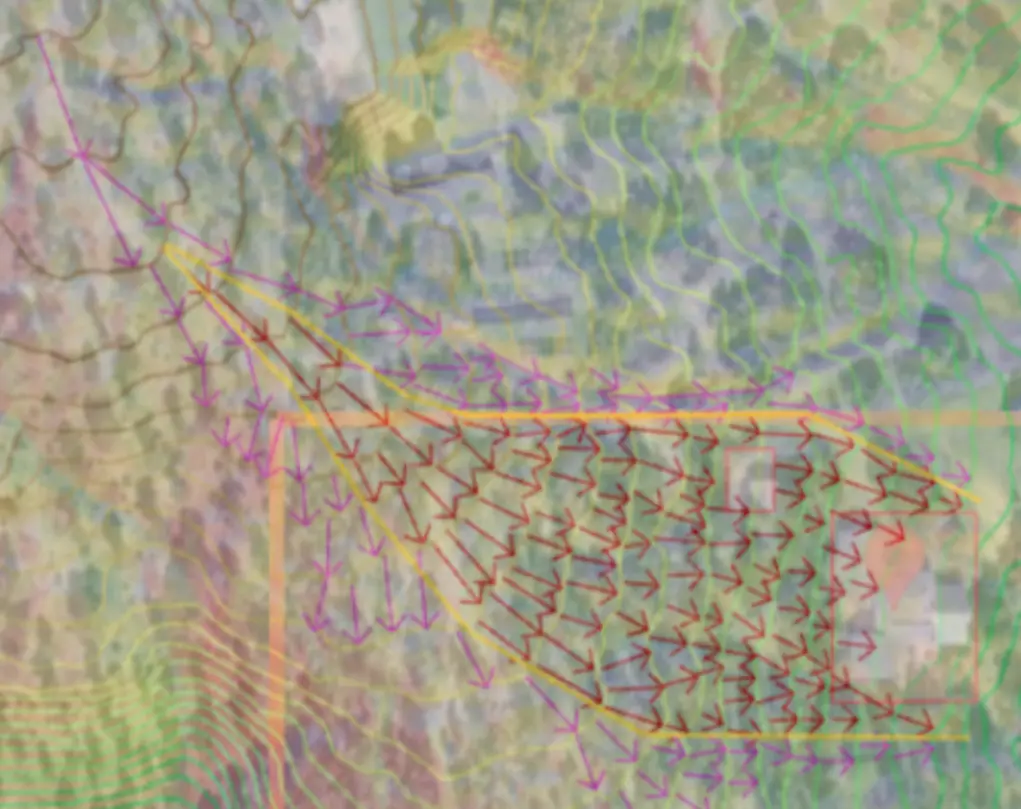
Stormwater management systems control rainfall and snowmelt runoff to prevent flooding, erosion, and water pollution by utilizing natural (green) and structural (gray) infrastructure. Key types include conveyance piping, GSI, detention/retention ponds, permeable pavements, green roofs, and constructed wetlands, which manage, treat, and infiltrate water to reduce pollutants. These systems protect infrastructure, replenish groundwater, and ensure compliance with environmental regulations.
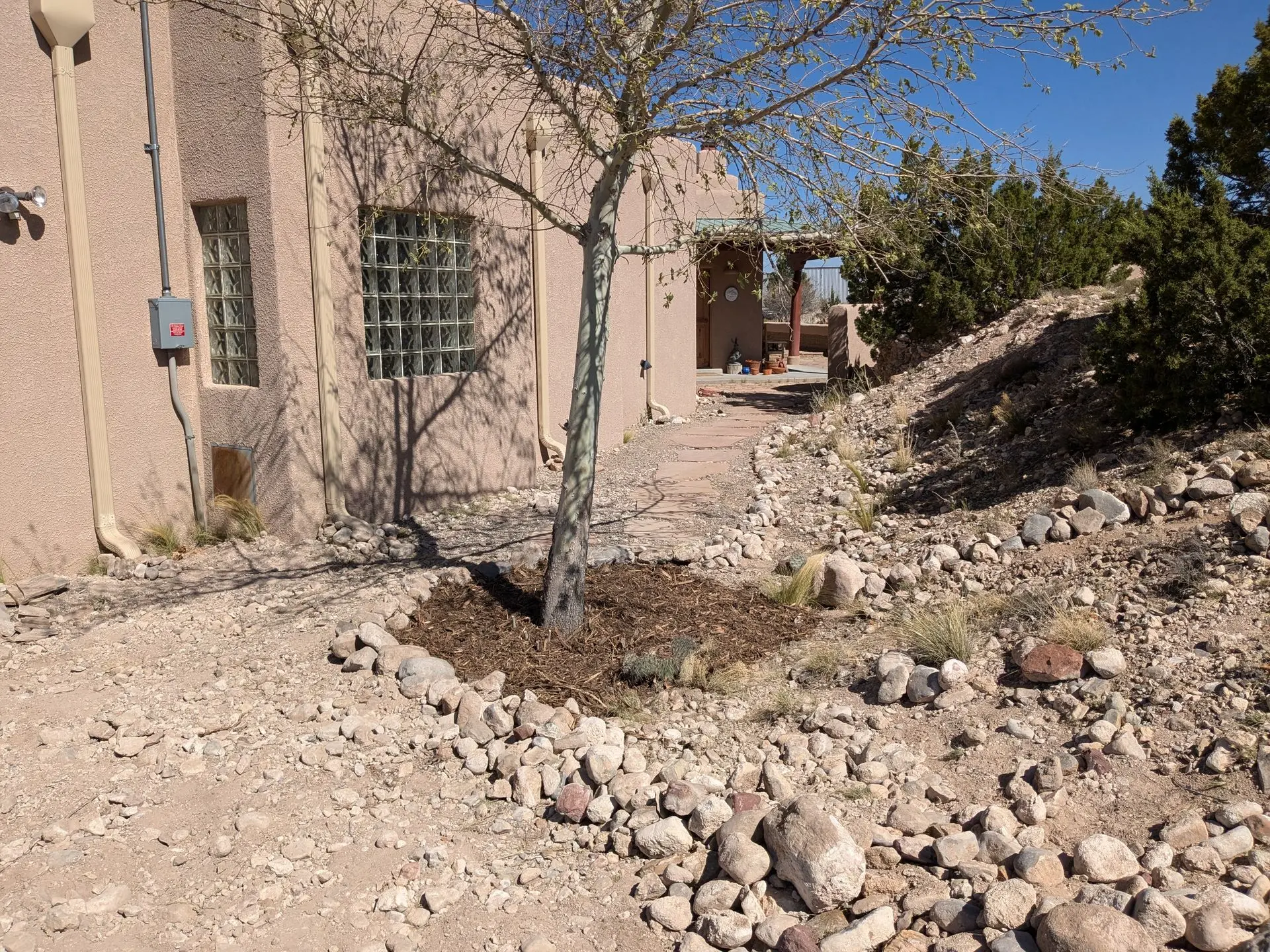
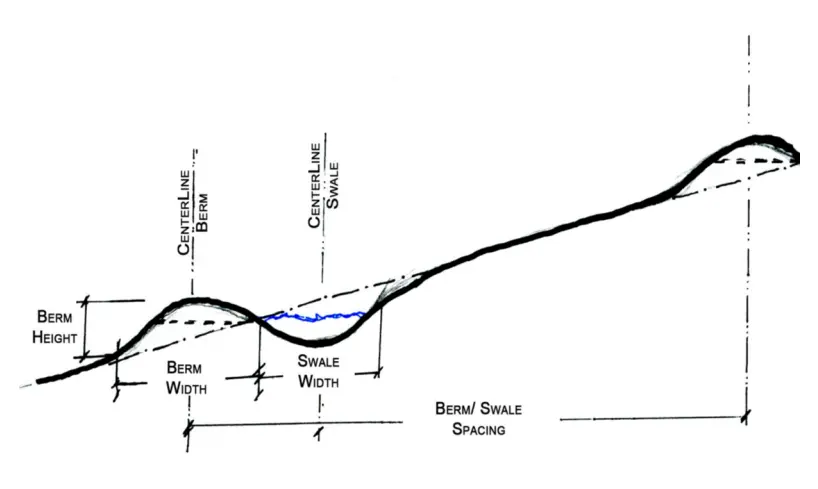
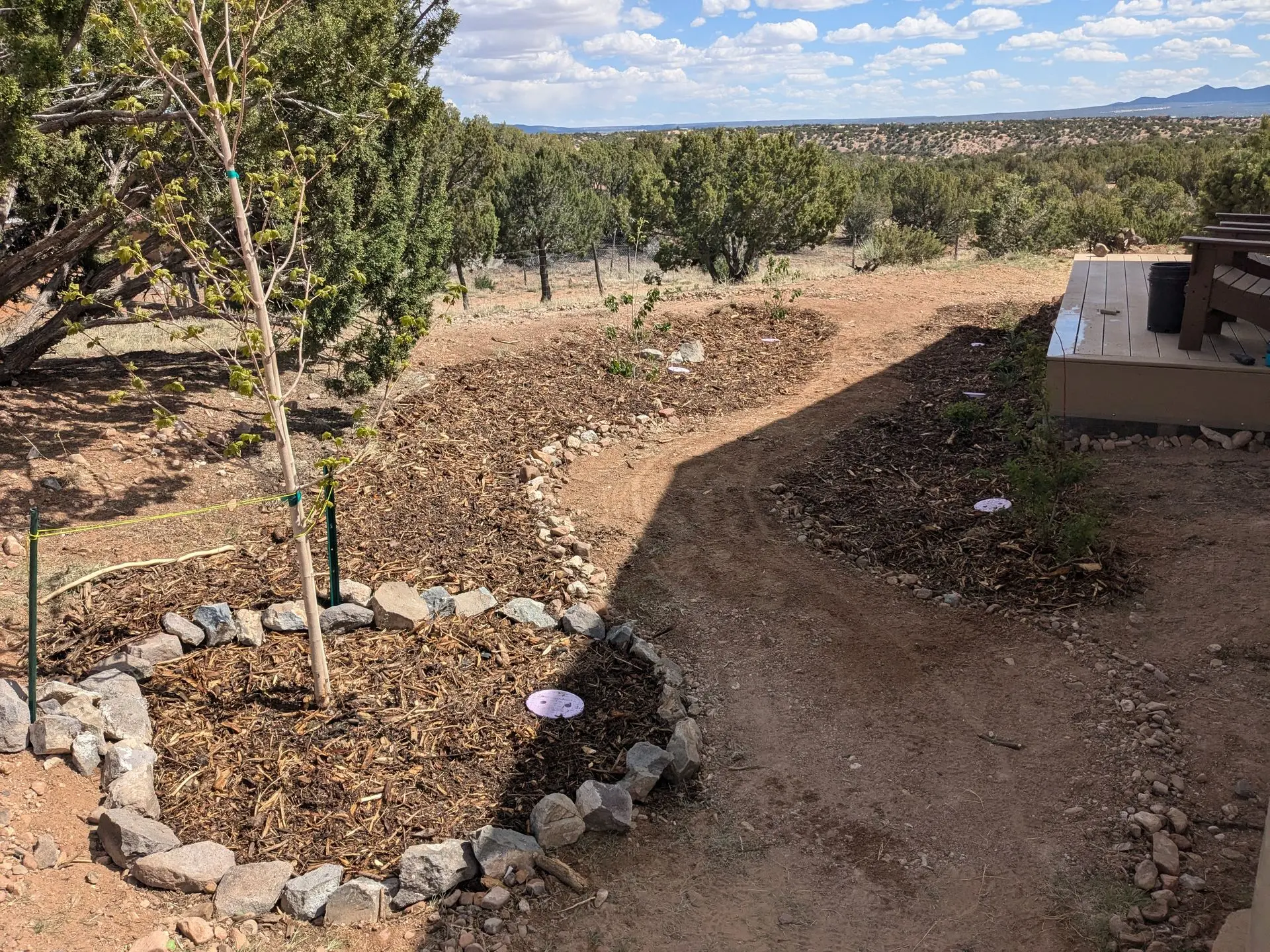
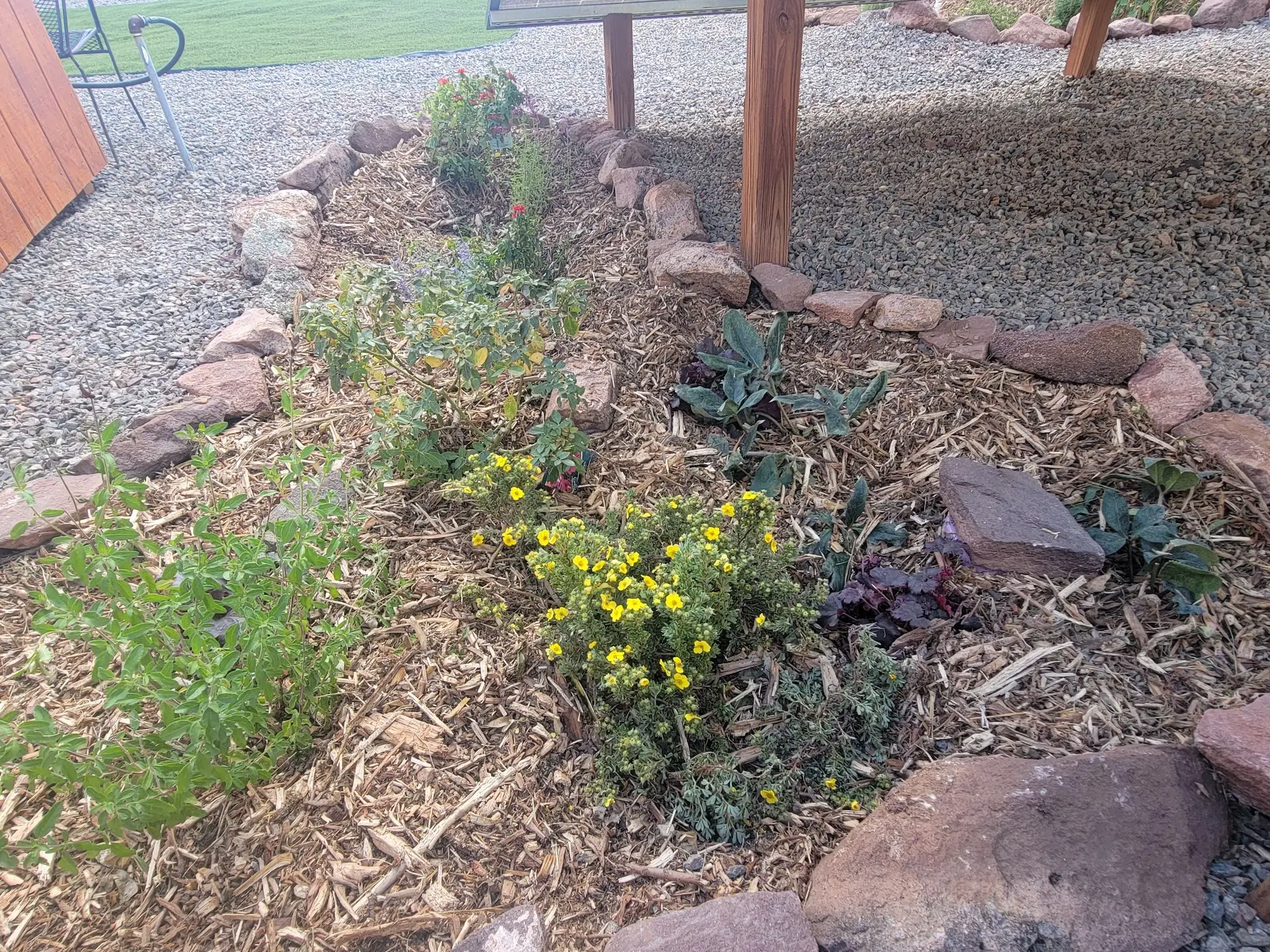
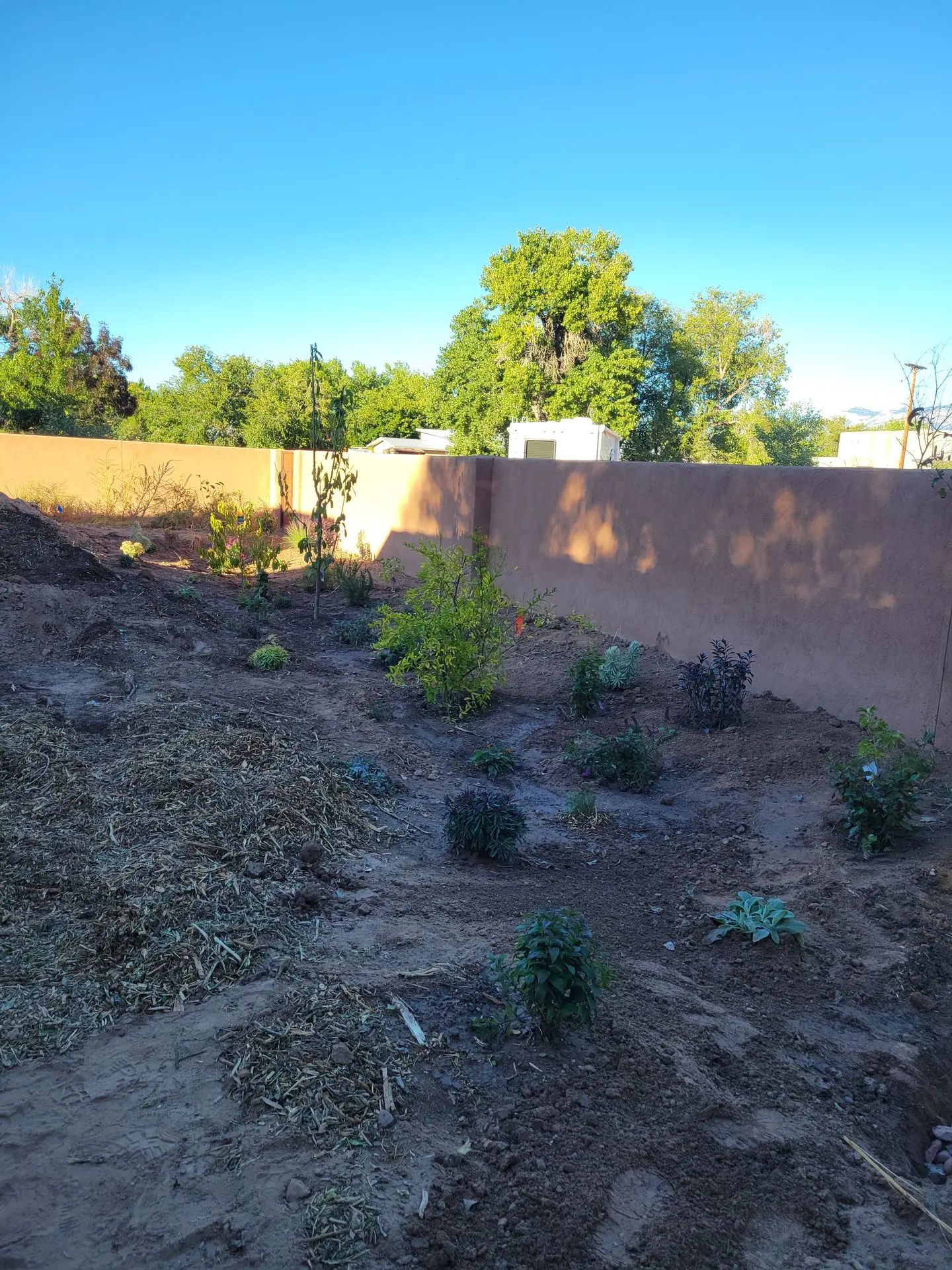
Whether moving water away from the building or across the landscape, we favor natural (green) solutions to slow and infiltrate water in the landscape rather than ushering it off site.
Types of Stormwater Management Systems
Green Infrastructure/LID (Low Impact Development): Techniques like green roofs, rain gardens, and bioretention areas that mimic natural hydrology.
Detention Ponds (Dry Ponds): Temporarily hold runoff, slowly releasing it to prevent downstream flooding.
Retention Ponds (Wet Ponds): Hold a permanent pool of water, allowing pollutants to settle and water to infiltrate.
Permeable Pavement: Surfaces that allow water to infiltrate into the soil, reducing surface runoff.
Constructed Wetlands: Engineered systems that use vegetation, soil, and microbial action to treat water quality.
Underground Systems: Vaults or pipes installed beneath parking lots or roads for storage and infiltration in tight, urban spaces.