
Many plants commonly called "weeds" in New Mexico are actually native pioneers, pollinator plants, wildlife food sources, erosion-control species, or important components of ecological restoration projects. The challenge is often determining when they are beneficial and when they have become overly abundant or are growing in the wrong location.
| Species | Why People Call It a Weed | Ecological Benefits | Typical Height |
|---|
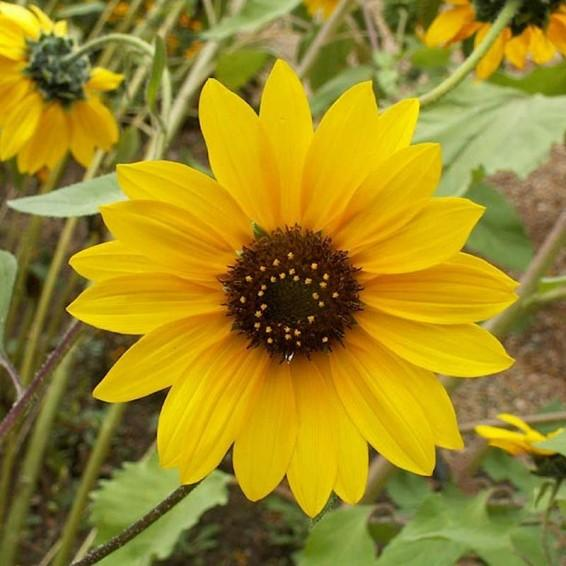
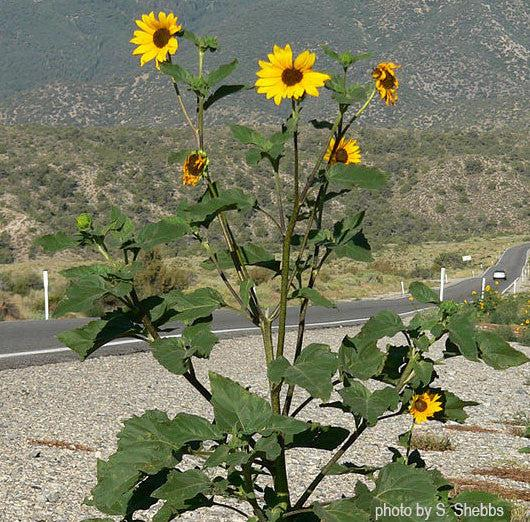
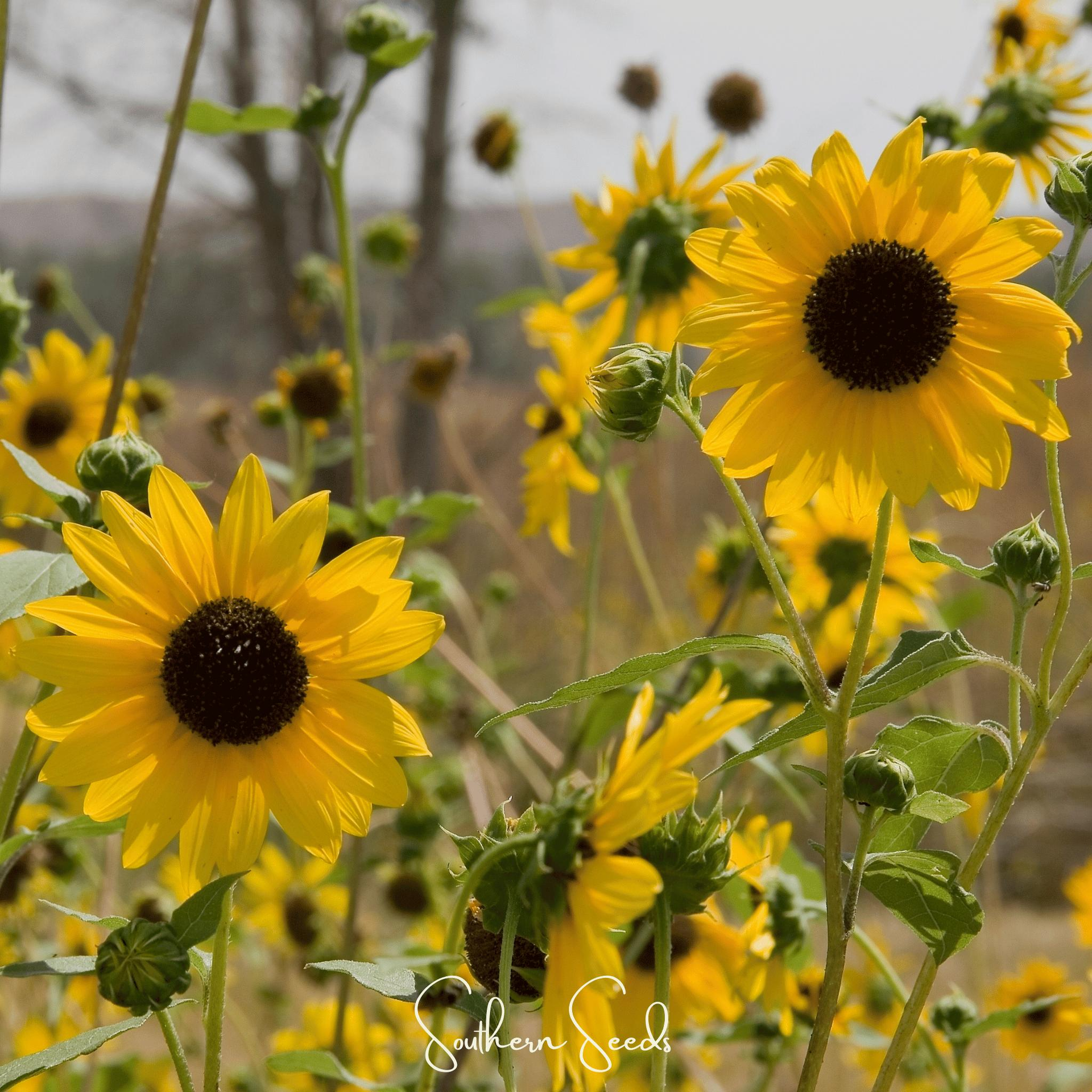
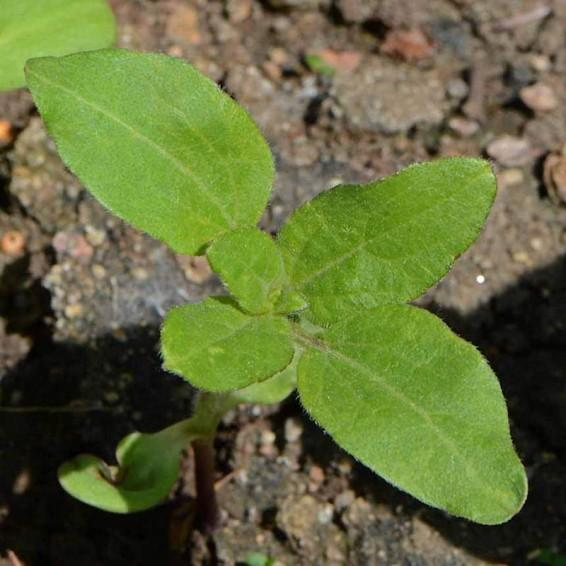
| Annual Sunflower (Helianthus annuus) | Quickly colonizes disturbed soils and construction sites. Can compete with newly established plantings. | Excellent pollinator plant; seeds provide food for birds and wildlife; helps stabilize bare soil. | 3–10 ft |
|
|
|
|
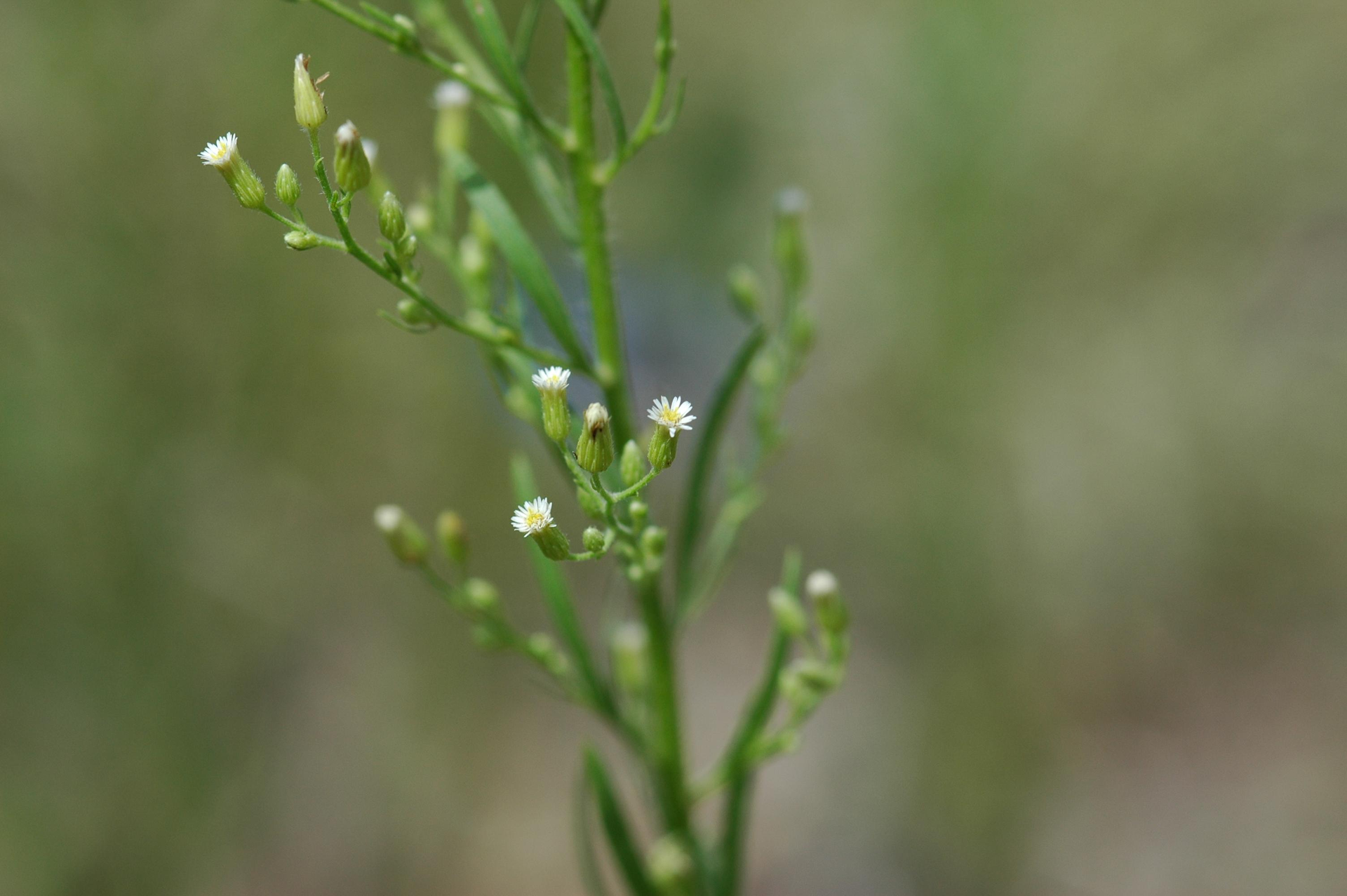
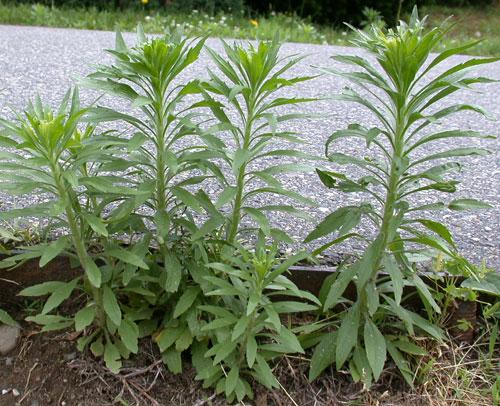
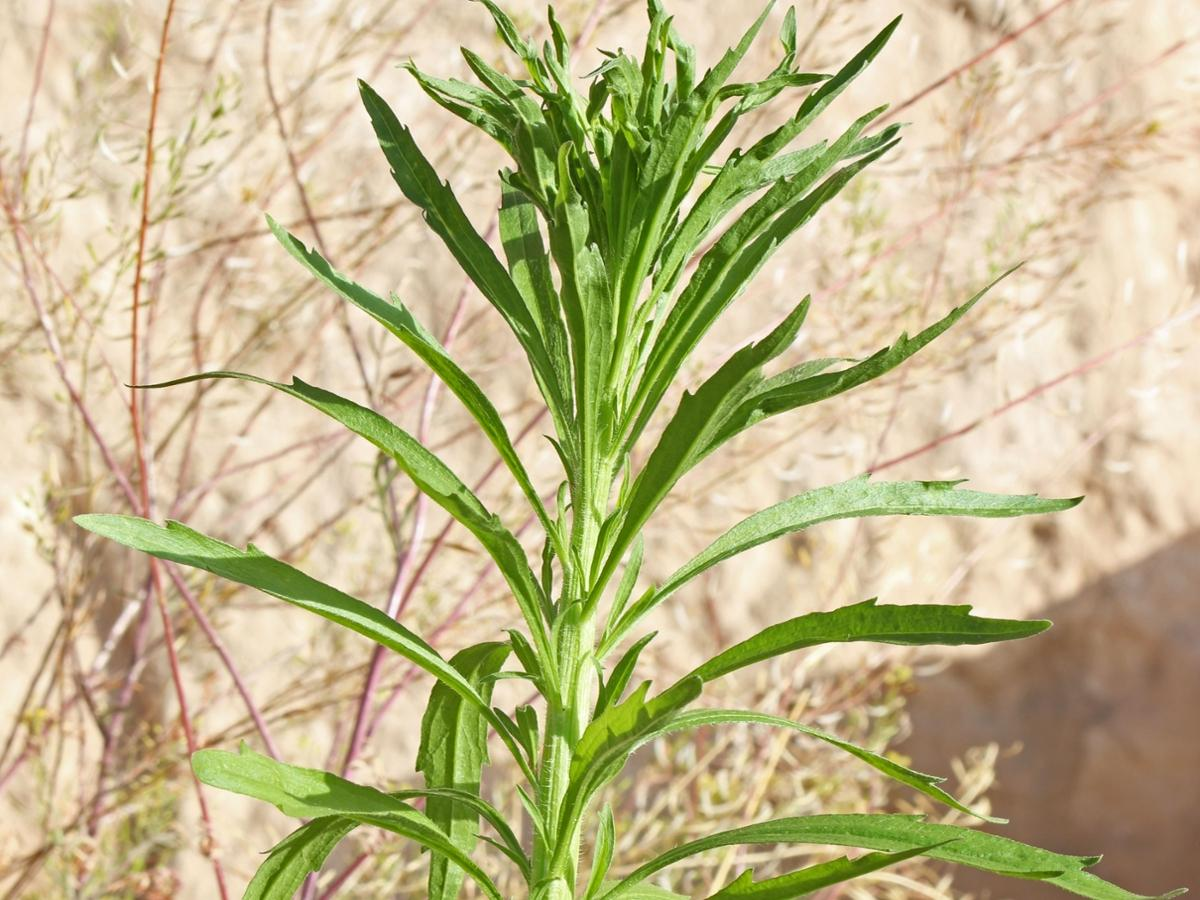
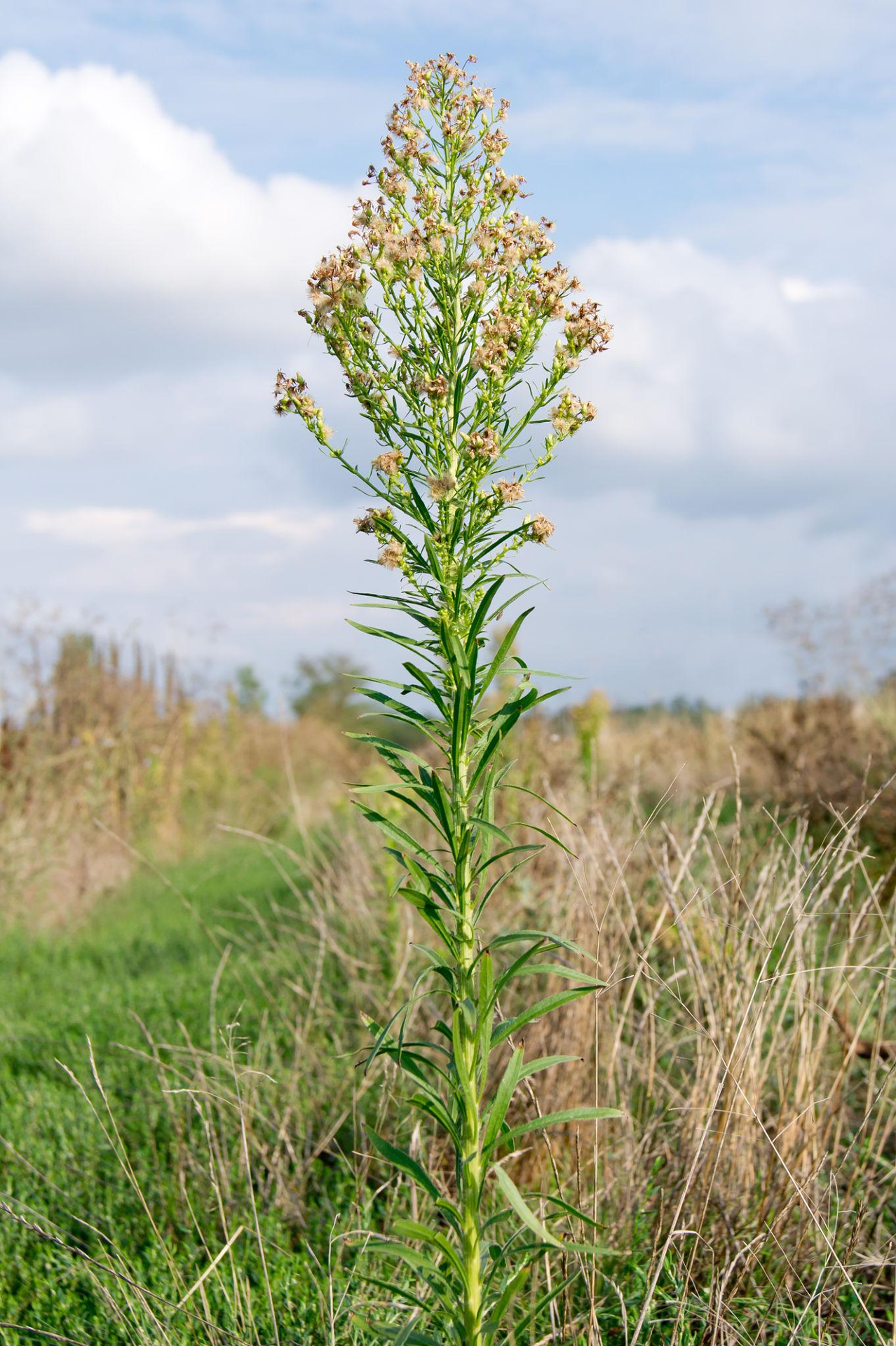
| Horseweed (Conyza canadensis) | Appears rapidly in disturbed areas and can dominate bare ground. | Pioneer species that protects soil from erosion and provides nectar for insects. | 1–6 ft |
|
|
|
|
| Broom Snakeweed (Gutierrezia sarothrae) | Can reduce forage production when abundant. | Native shrub that provides pollinator habitat and soil stabilization. | 1–3 ft |
| Fourwing Saltbush (Atriplex canescens) | May appear weedy in neglected areas. | Exceptional wildlife browse, drought tolerance, erosion control, and soil stabilization. | 2–8 ft |
| Bottlebrush Squirreltail (Elymus elymoides) | Sometimes removed due to nuisance seed heads. | Valuable native bunchgrass used extensively in restoration and erosion control. | 1–3 ft |
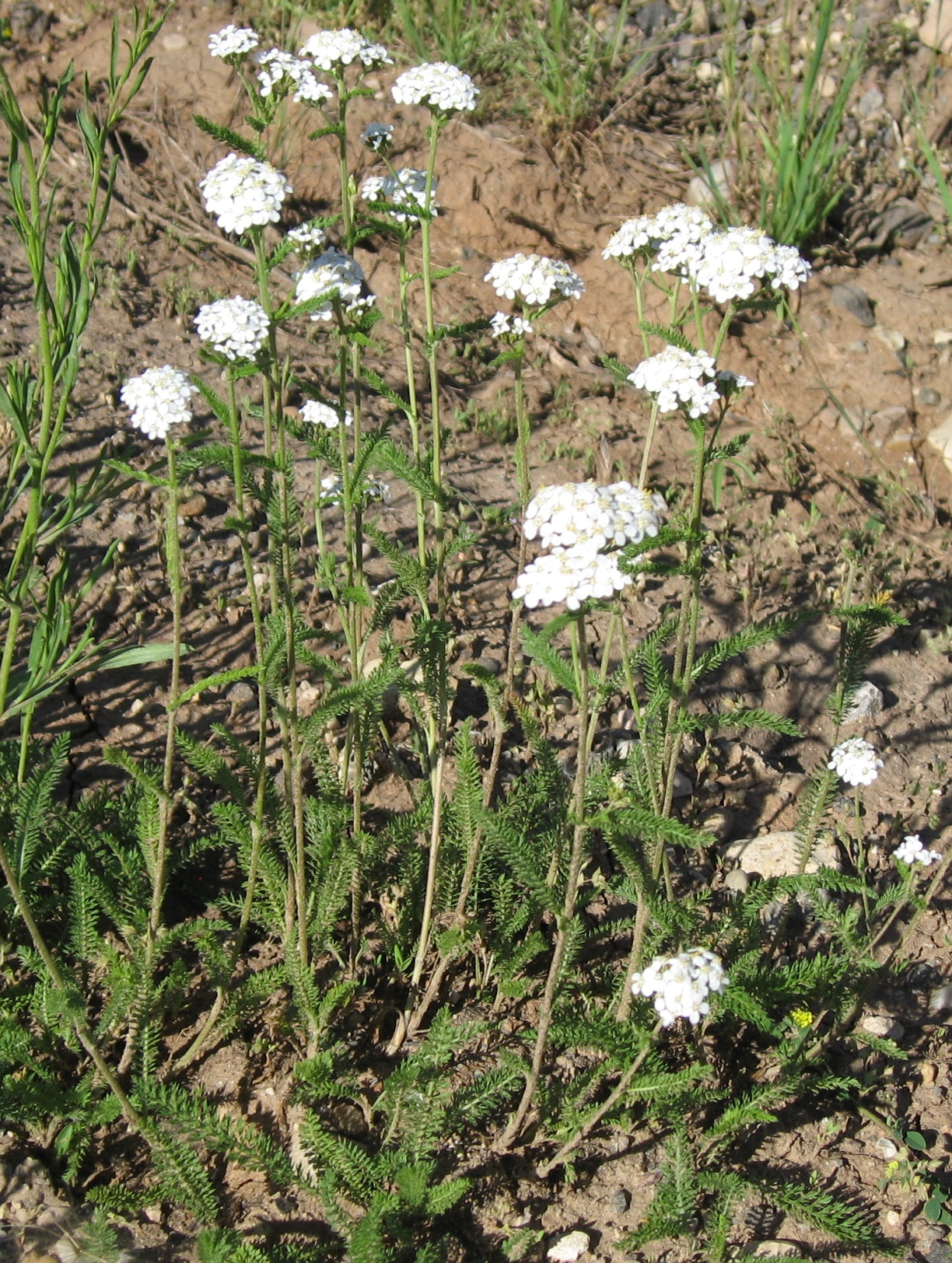
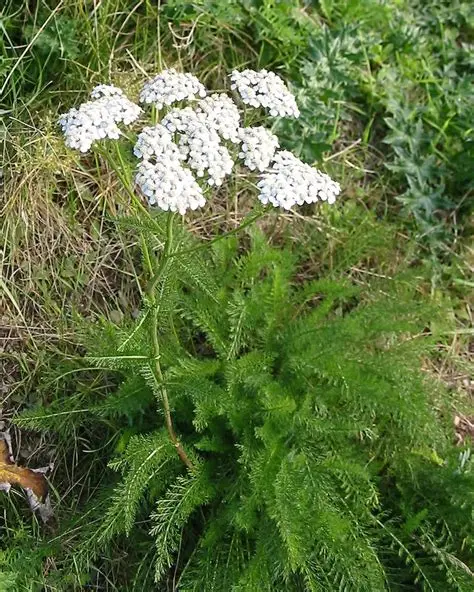
| Western Yarrow (Achillea millefolium) | Spreads readily in irrigated landscapes. | Excellent pollinator plant and groundcover; improves biodiversity. | 1–3 ft |
|
|
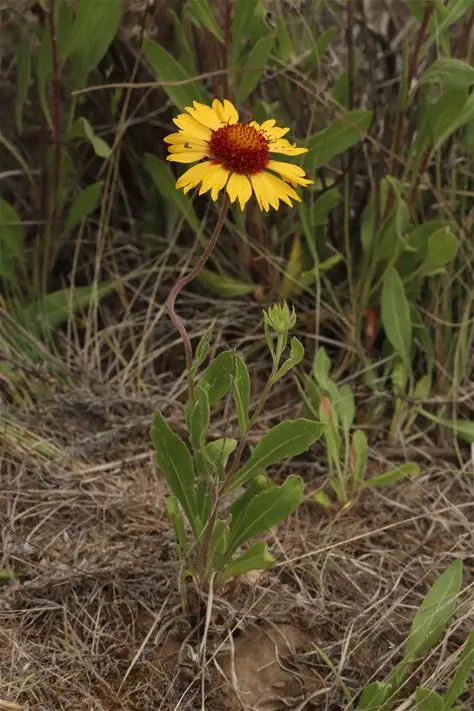
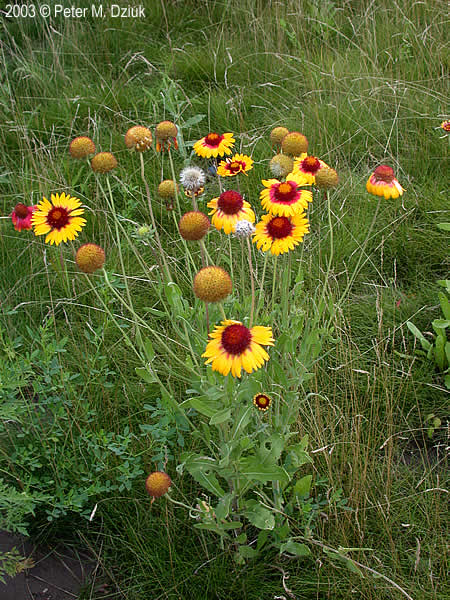
| Blanketflower (Gaillardia aristata and related species) | Self-seeds freely in disturbed areas. | Long bloom period supports bees, butterflies, and other pollinators. | 1–2 ft |
|
|
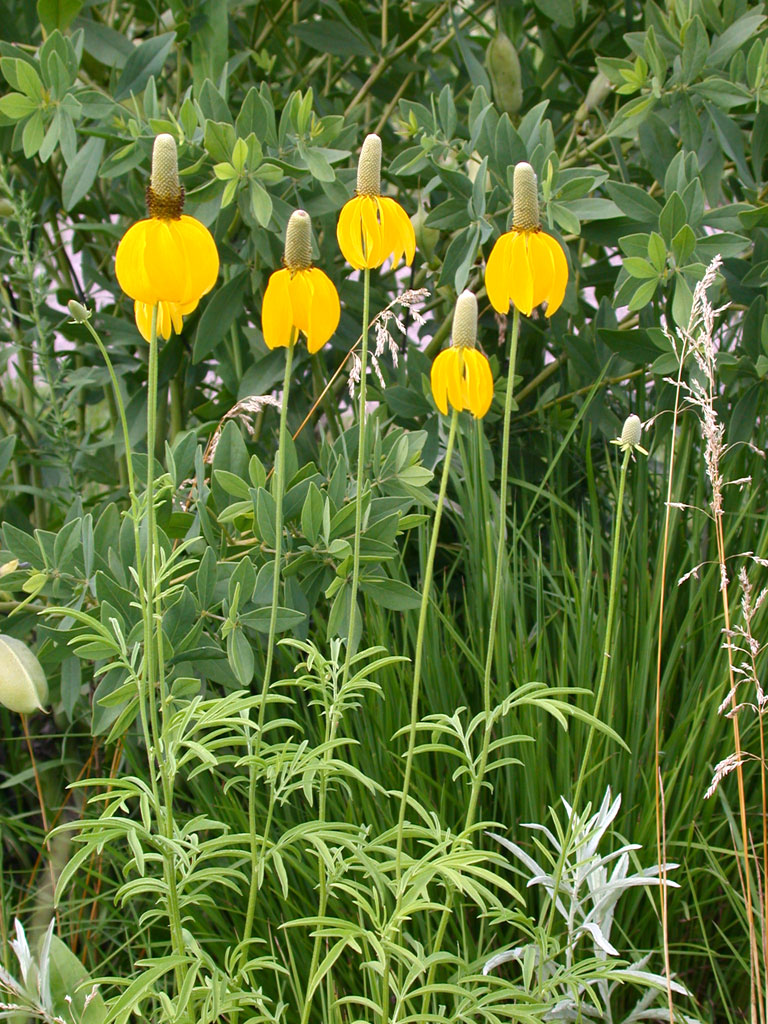
| Prairie Coneflower (Ratibida columnifera) | Can appear unexpectedly in disturbed sites. | Valuable native wildflower for pollinators and birds. | 1–3 ft |
|
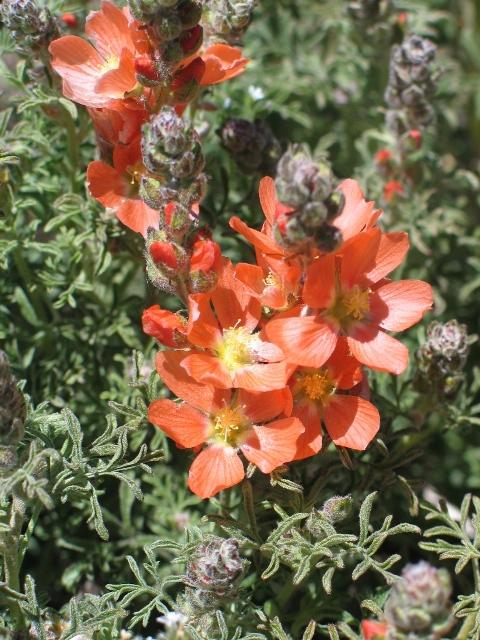
| Globemallow (Sphaeralcea spp.) | Sometimes viewed as untidy in formal landscapes. | Important nectar source and highly drought tolerant. | 1–4 ft |
|
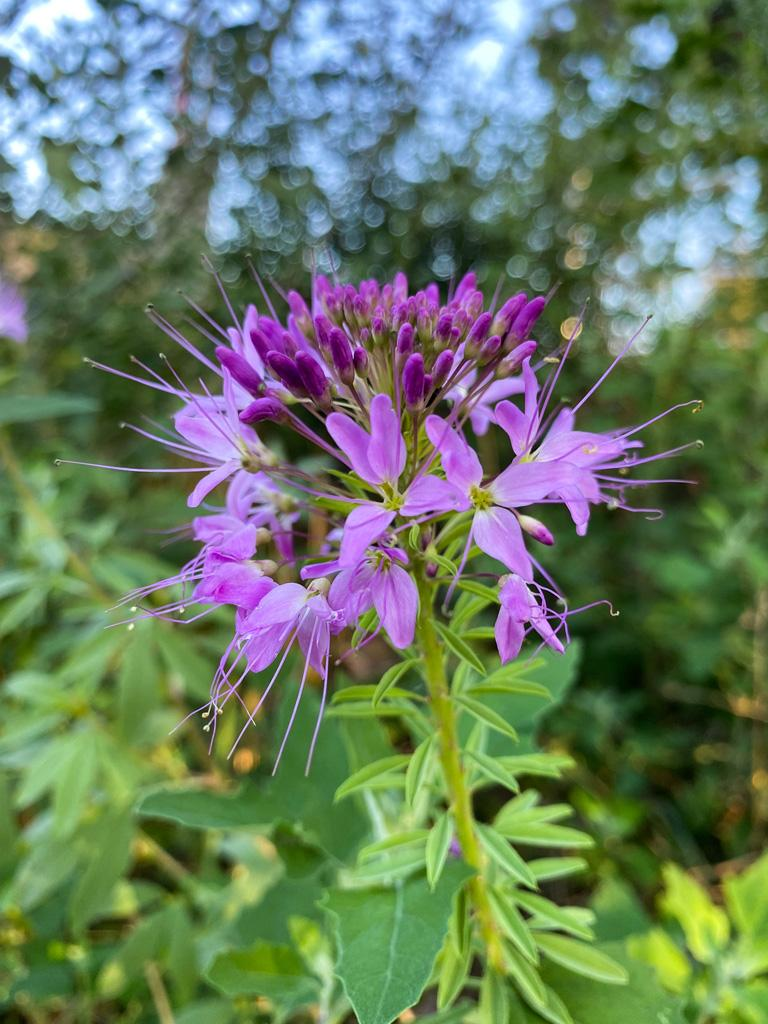
| Beeplant / Rocky Mountain Beeplant (Cleome serrulata) | Fast-growing annual often found in disturbed soils. | One of the best native pollinator plants in the Southwest. | 2–5 ft |
|
Wolfberry (Lycium spp.)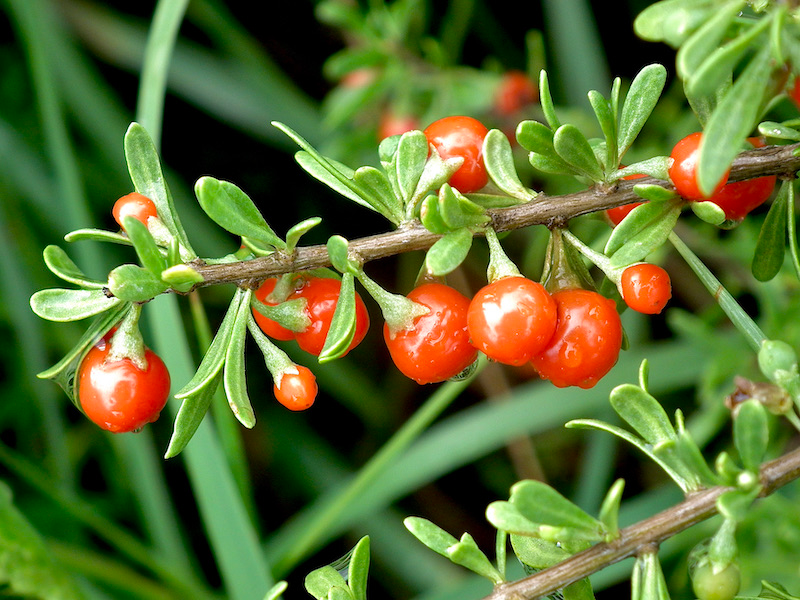 | Thorny growth can appear weedy. | Provides berries for wildlife and habitat for birds. | 3–8 ft |
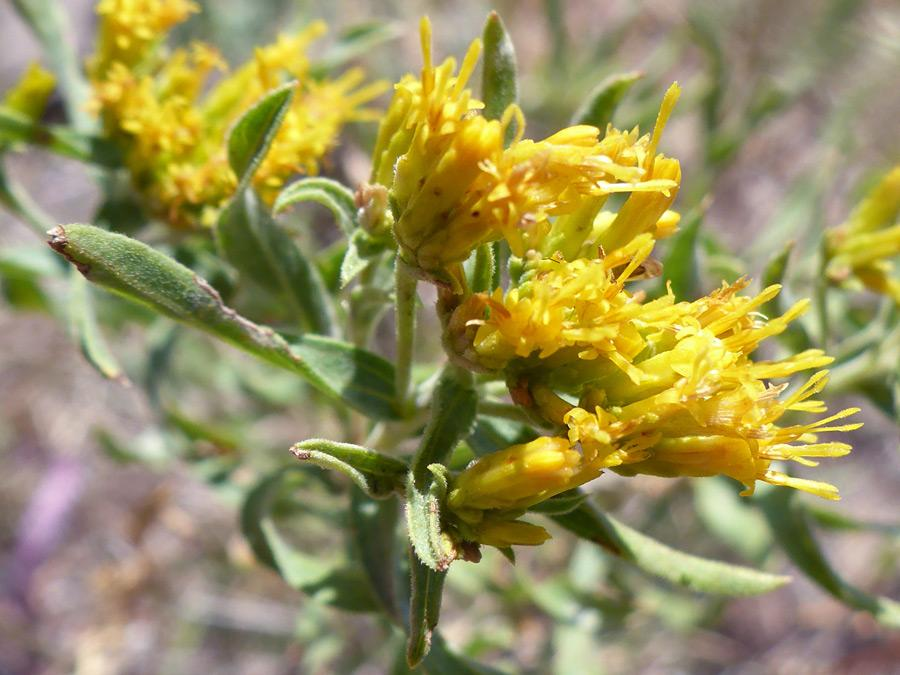
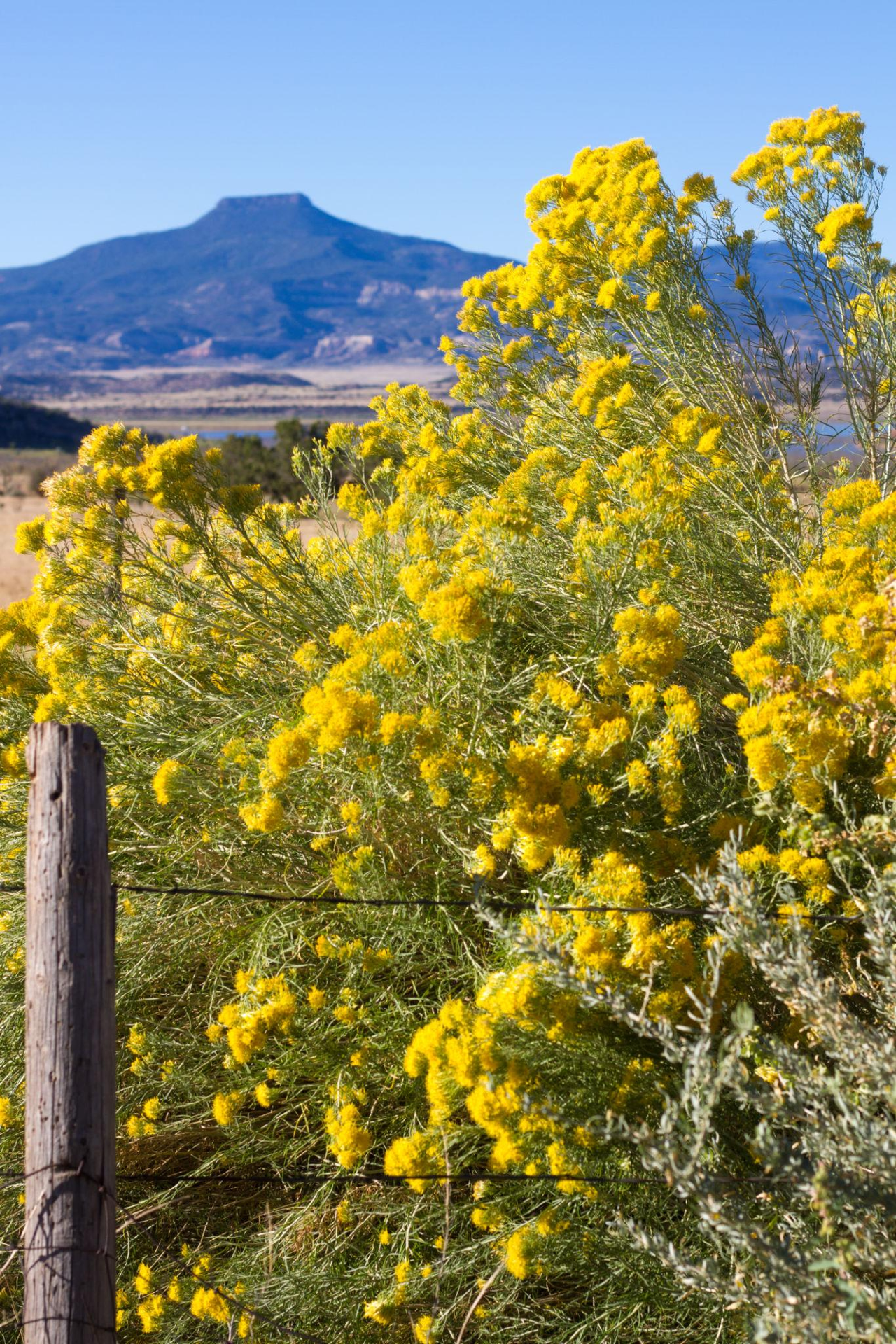
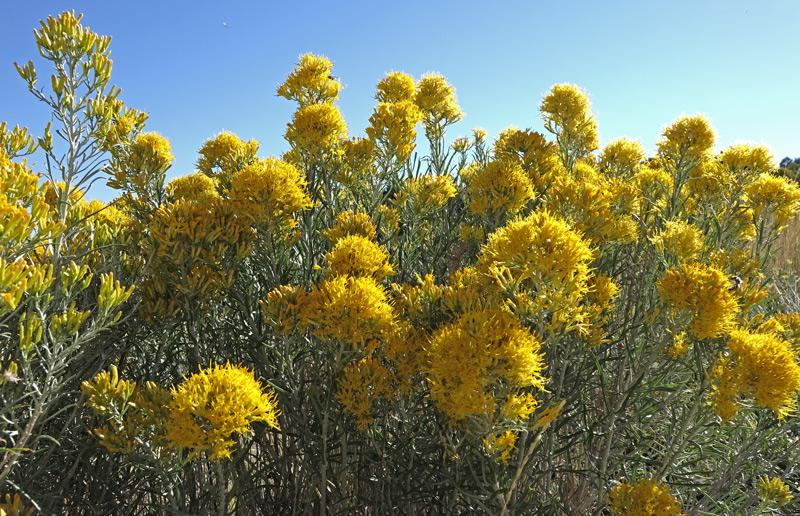
| Chamisa / Rabbitbrush (Ericameria nauseosa) | Often colonizes roadsides and disturbed sites. | Excellent late-season nectar source and erosion-control shrub. | 3–8 ft |
|
|
|
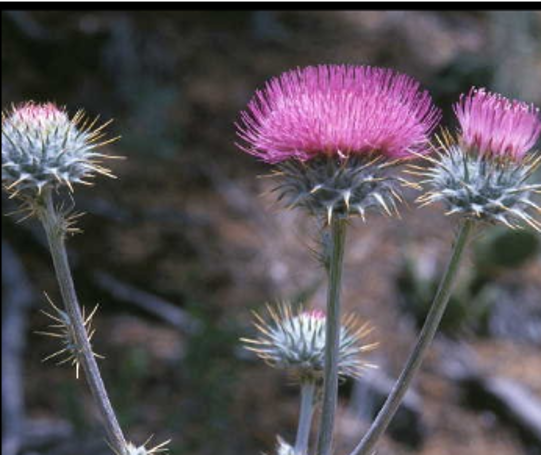
New Mexico Thistle (and other varieties) Cirsium Neomexicana
| Often misidentified as invasive European Thistle, which are now common in North America. The entire Cirsium genus is listed as a noxious weed by the states of Arkansas and Iowa. | Native thistles are non aggressive, and benefit pollinators. They are not liable to become a nuisance, and due to habitat loss are now threatened. To learn more about how to distinguish native thistles from invasive thistles, visit Native Plant Society of New Mexico’s “New Mexico Thistle Identification Guide”. | 5-8 ft |
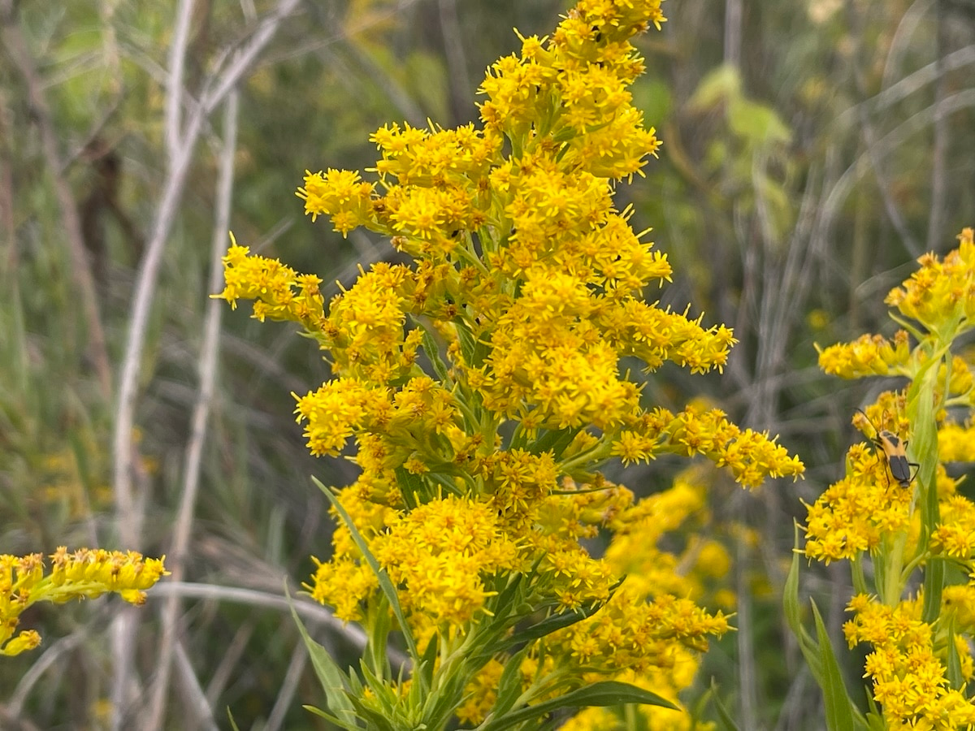
Goldenrod (many species) Solidago
| Considered a weed by many due to its potentially aggressive spread and “disturbance” of scaped turf. | Solidago provide excellent habitat for native critters of all kinds, and are excellent pollinators due to their many clustered flowers. It has been used by people in North America for many years to treat wounds and ailments, and some varieties were used by British revolutionaries as a tea substitute. | |
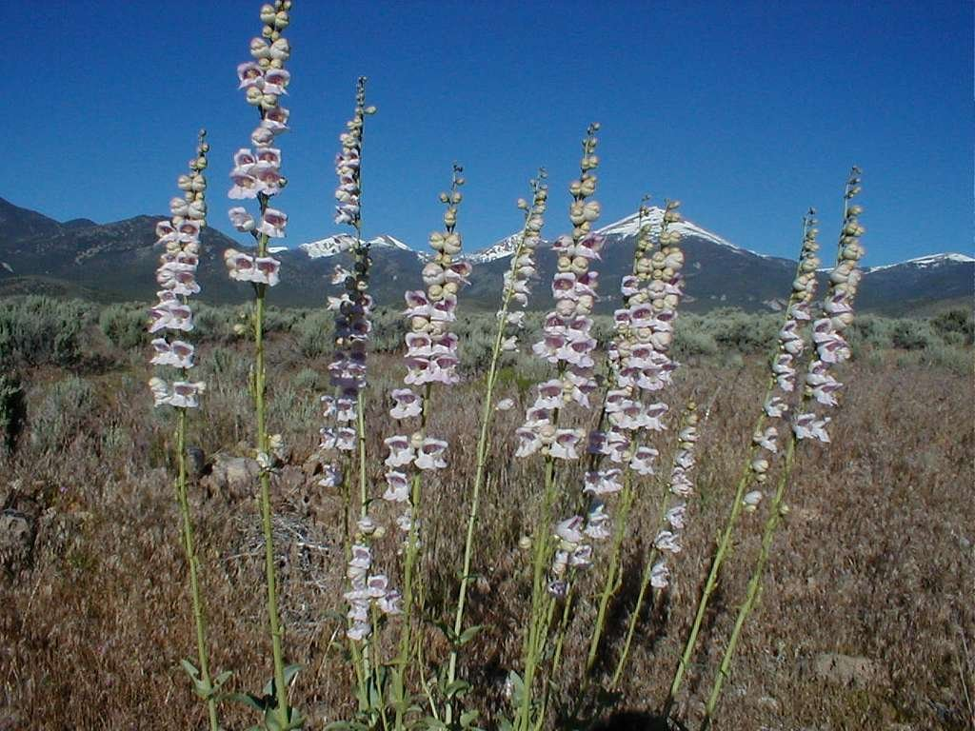
Penstemon (many species) Penstemon
| While some varieties can look a bit unruly, Penstemon are neither aggressive nor invasive. | Penstemon are pollinators for insects and birds alike, with the blue, white and purple blossoms serving as insect food, and the red and pink attracting hummingbirds, whose long beaks perfectly suits nectar collection from the long, bell shaped flowers. | |
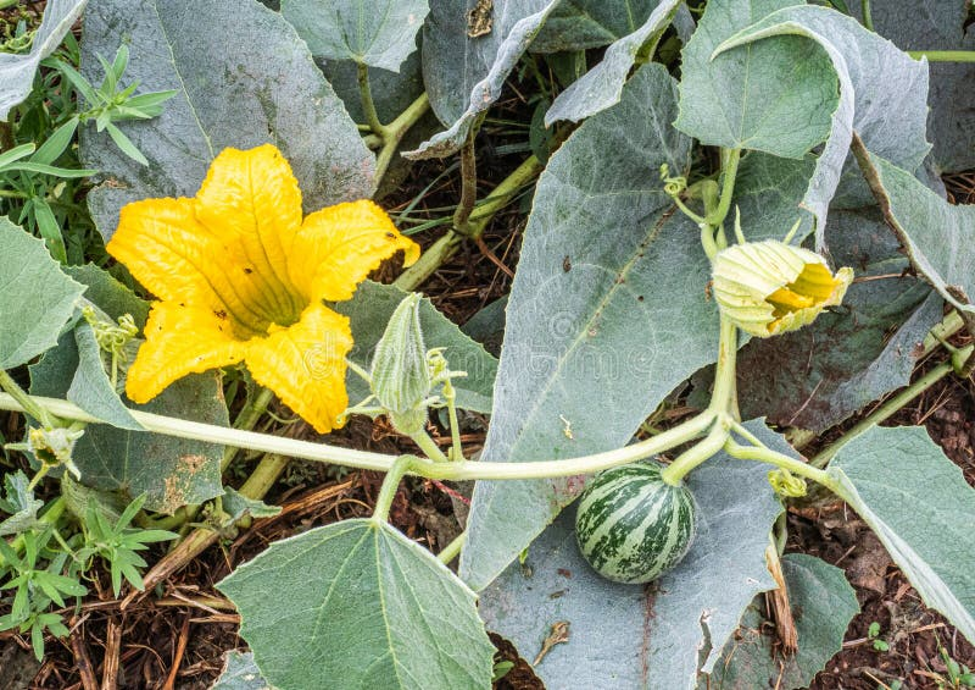
Buffalo Gourd Cucurbita foetidissima
| Buffalo gourd is listed in the New Mexico State University's “Noxious and Troublesome Weeds of New Mexico” as “observed invaders of multiple cropping systems”. | Buffalo gourd is an important food source for small mammals, and a good pollinator for native bees. It has been used both decoratively and medicinally in the region for hundreds of years, and is edible if processed correctly. | Up to 30ft |
Yummy non-natives
These two are commonly found weeds that dot the New Mexican landscape. Both have medicinal and edible use, and when properly managed can be a nice addition as groundcover to disturbed city gardens.
Purslane Portulaca oleracea | While Purslane is not Native to north america and can be aggressive if not maintained, it is delightfully tasty. Packed full of nutrients, it is recognized as a supergreen due to its high concentrations of Omega-3s, as well as Vitamins A, C, and E. It is highly drought tolerant and grows in sunny areas with poor soil. | Up to 16" |
Common Dandelion Taraxacum officinale | Common dandelion is endemic to Eurasia, but has spread to several continents, including North America. They tolerate a variety of environments, including extreme temperature and low moisture. Every part of the dandelion is edible, from its roots to its flower. It is a diverse ingredient, appearing in recipes like spring salads and coffee substitutes. | 2-17" |
These plants are frequently removed because they appear "wild" or volunteer into landscapes, but they are often desirable components of:
- Native landscapes
- Pollinator gardens
- Stormwater facilities
- Revegetation projects
- Regenerative landscapes
- Wildlife habitat restoration
Instead of defining a weed as "a plant growing where it is not wanted," many ecological landscape managers use:
"Undesirable vegetation is any species that threatens project goals, public safety, infrastructure function, access, or the successful establishment of desired vegetation."
This distinction helps crews avoid removing beneficial native volunteers while still controlling invasive species and nuisance plants.
Beneficial Plants Often Found in Stormwater Basins and Disturbed Areas
| Generally Beneficial | Usually Remove |
|---|
| Fourwing Saltbush* | Saltcedar |
| Beeplant | Kochia |
| Bottlebrush Squirreltail* | Puncturevine (Goathead) |
| Rabbitbrush | Tree of Heaven |
| Globemallow | Russian Thistle (tumbleweed) |
| Yarrow | Russian Olive |
| Annual Sunflower* | Cheatgrass |
| Prairie Coneflower | Buffelgrass |