When installing a new landscape, even with well adapted and drought tolerant natives, supplemental water is necessary during its establishment period. In larger or complex landscapes, where hand watering would be inefficient, this usually takes the form of an installed Irrigation system.
Irrigation Innovations
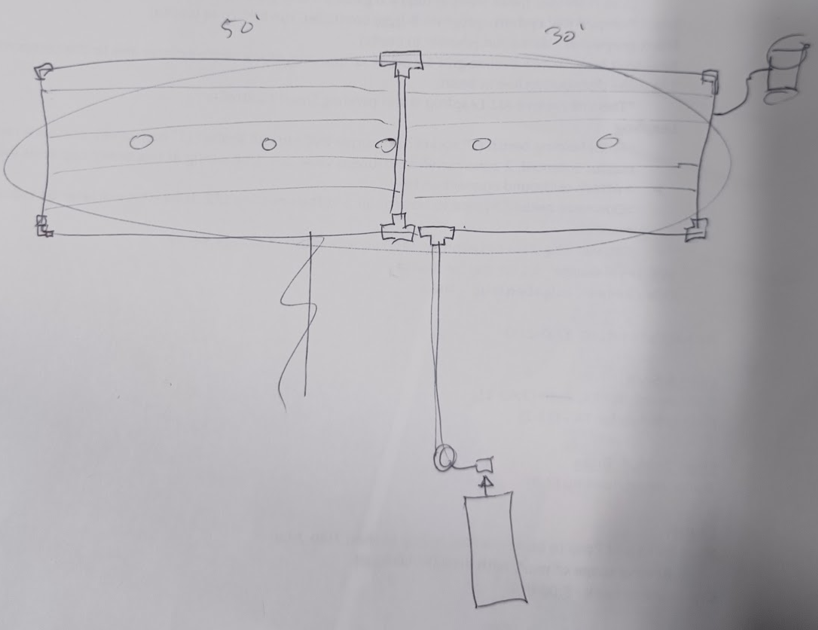
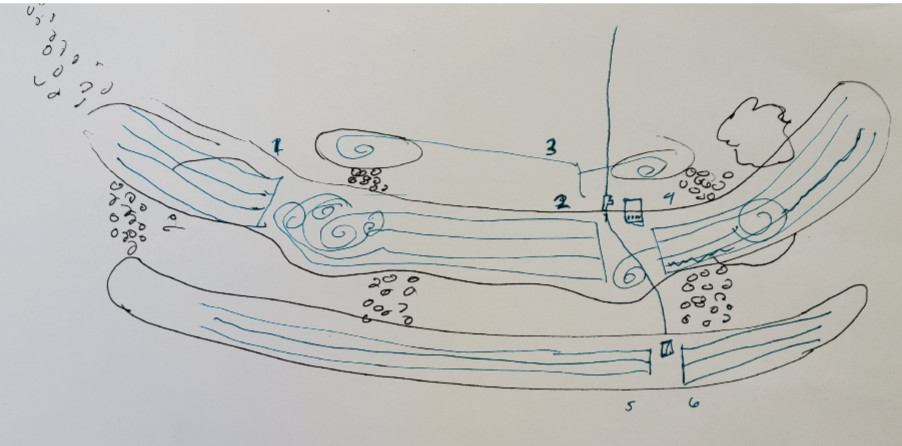
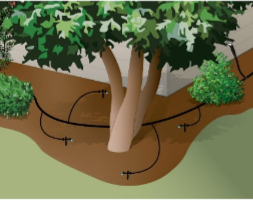
First steps include design and planning. Make sure to read all of the recommended sizing and spacing on the equipment you purchase. Here are some examples of quick sketched out systems to get an idea of configuration.
Irrigation Variations
Irrigation takes many forms to suit a variety of needs, here are some common irrigation materials often installed in landscapes.
Component | Description | Use |
Emitter Tubing (Dripline)
| Flexible polyethylene tubing with emitters built into the tubing at regular intervals. Emitters are designed to resist root intrusion. Attached to the distribution line with 1/4" barbs. | Emitter tubing is suited to groundcovers, native plantings, shrub beds, bioswales, revegetation areas, and densely planted zones. |
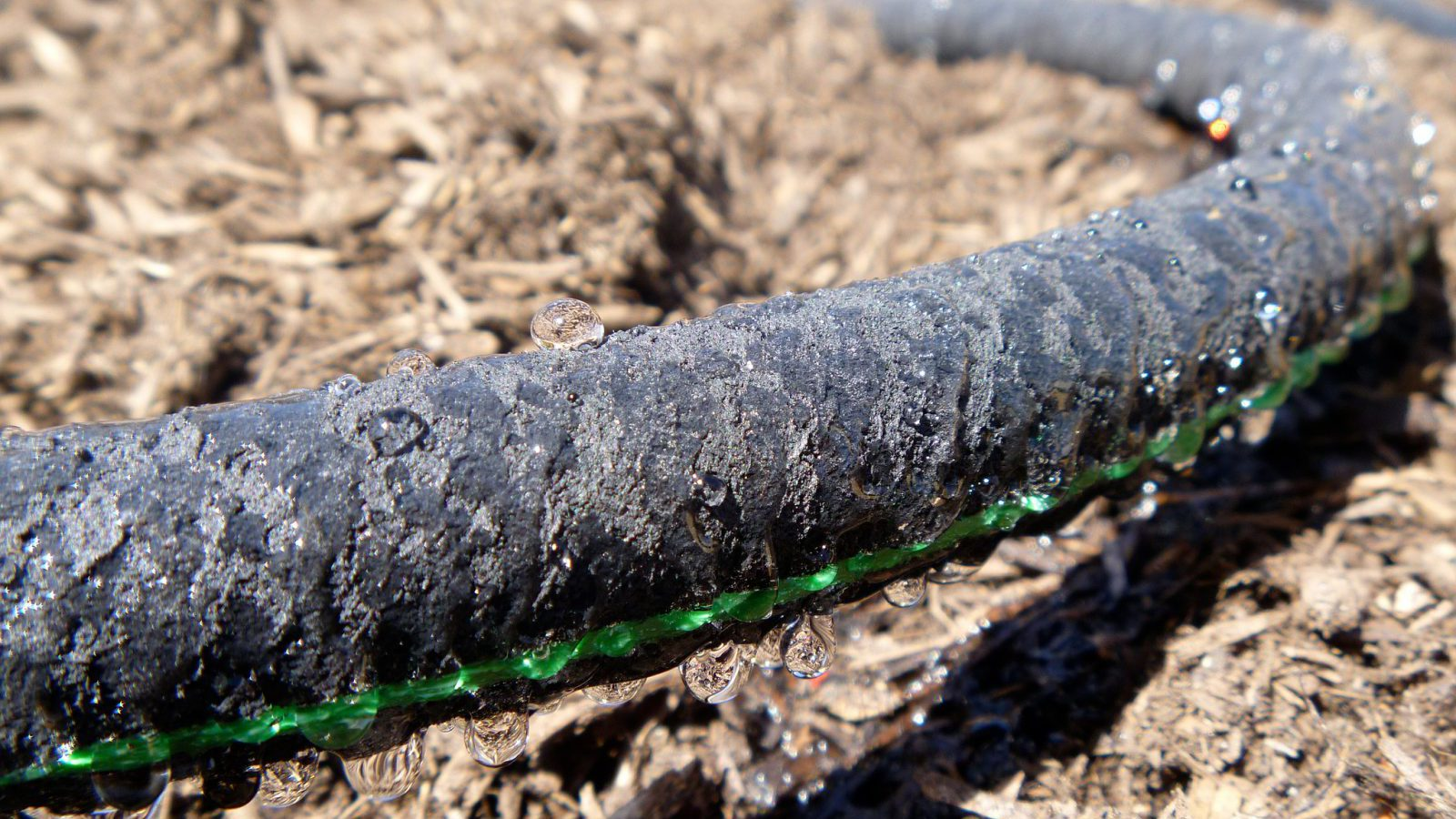
Soaker Hose
| Porous hose that slowly releases water along its entire length. Typically installed on or just below the soil surface. Ties into the main water distribution in place of distribution tubing. | Vegetable gardens, hedge rows, temporary establishment irrigation, and linear planting beds. Careful: Soaker hoses will not water evenly if the pressure inside the hose is too high or too low, or over large elevation changes. If the water supply that has lots of calcium or minerals in it hoses can calcify in spots causing places where the water can’t or won’t seep out. |
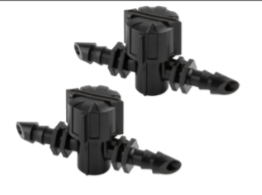
Valve Emitters
| Emitters with a manually adjustable flow rate. Water output can be increased or decreased to match plant needs. | Plants with varying water requirements or during establishment periods. We often use these in place of button emitters, as the valve is easier to flush debris from. Careful: Valve emitters can clog from sediment build up and should be checked periodically for flow issues. |
Button Emitters
| Small individual emitters installed directly into tubing near a plant. Available in different flow rates (e.g., 0.5, 1, 2, or 4 gallons per hour). Button emitters are attached to 1/4" distribution line. | Individual trees, shrubs, and specimen plants. Used when planting is sparse. |
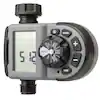
Control Valves
| Controlling the flow of your irrigation system is a critical part of usage. Control valves can be automatic, like hose timers, or manual, like a shut off valve. Valves should be placed at the inlet of the water to the irrigation system, and in larger systems can allow for multiple zones to function independently. | A key component in Irrigation systems, valves allows us to control where and when the irrigation lines function. |
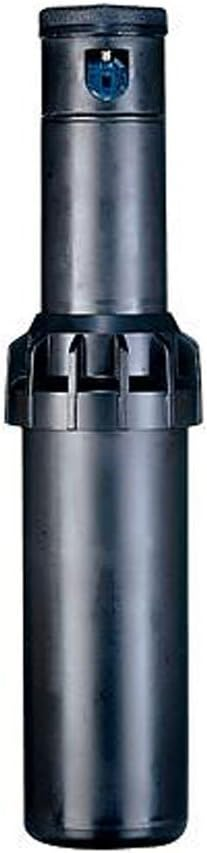
Sprinklers
| Attached to a mainline distribution and fixed in place, sprinklers cover a large area at once. | Often foregone in out hot, arid environment due to evaporation, sprinklers may be used to cover very large areas of groundcover. |
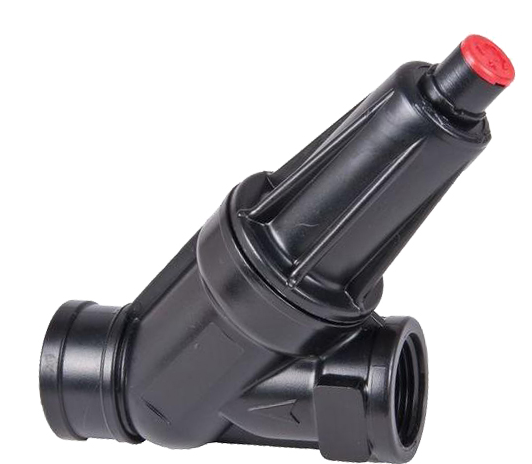
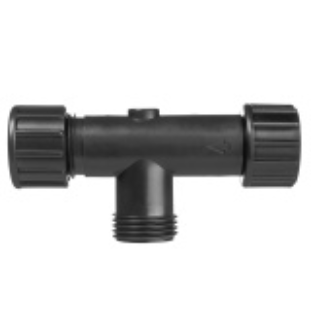
Pressure Reducer
| Pressure reducers are installed at the beginning of a high pressure system, and keep the water pressure from rupturing the irrigation line. | Used in systems where irrigation is coming off of a main water line, like a hose tap. |
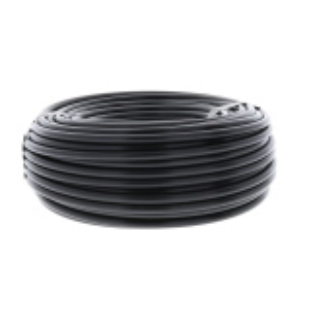
Distribution tubing (emitter line)
| Typically 1/4", this smaller distribution tubing is used to convey water from the main line to individual plants. | Distribution tubing is used in sparse planting zones, where individual plants have individual water sources. |
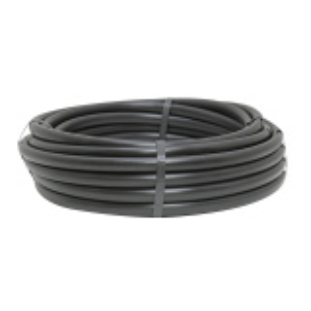
Distribution tubing (main line) | Usually 1/2" or 3/4", this tubing is used to run main lines off of a rain tank or other water supply. Using a hole punch (listed in "tools" below), smaller lines can be run off of this tube. | A key component in most irrigation , the distribution line forms the skeleton of the system. Careful: Exposed tubing can become brittle and crack over time due to prolonged sunlight exposure. Heavy foot traffic, equipment, vehicles, or improper installation can restrict water flow through the tubing. Water remaining in tubing during freezing conditions may cause cracking or fitting failures. |
Filter
| A filter is an important part of drip irrigation systems. Installing a simple housed filter at the inlet of the system keeps debris from traveling through the lines. | Used in systems where debris may be present, like rain barrels. |
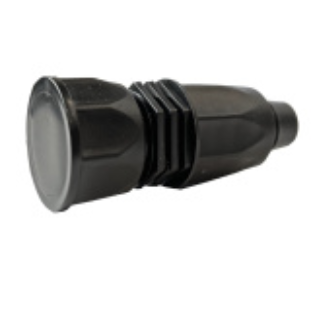
End cap
| End caps come in a variety of forms, but are made to fit 1/2" and 3/4" distribution line. The one pictures is a PermaLock fitting, which slides into the Mainline and is twisted down onto it to seal the two together. | Used to cap the end of a main distribution line. |
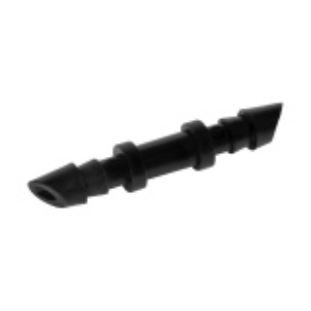
1/4" barbs
| 1/4" barbs can form a variety of grids, shapes, and patterns. They come in straight barbs, elbows, tees, and cross barbs. | Used to couple distribution lines together. |
Now that we've covered materials, lets move on to some critical tools you'll need for your
Irrigation Installation
Tool | Use |
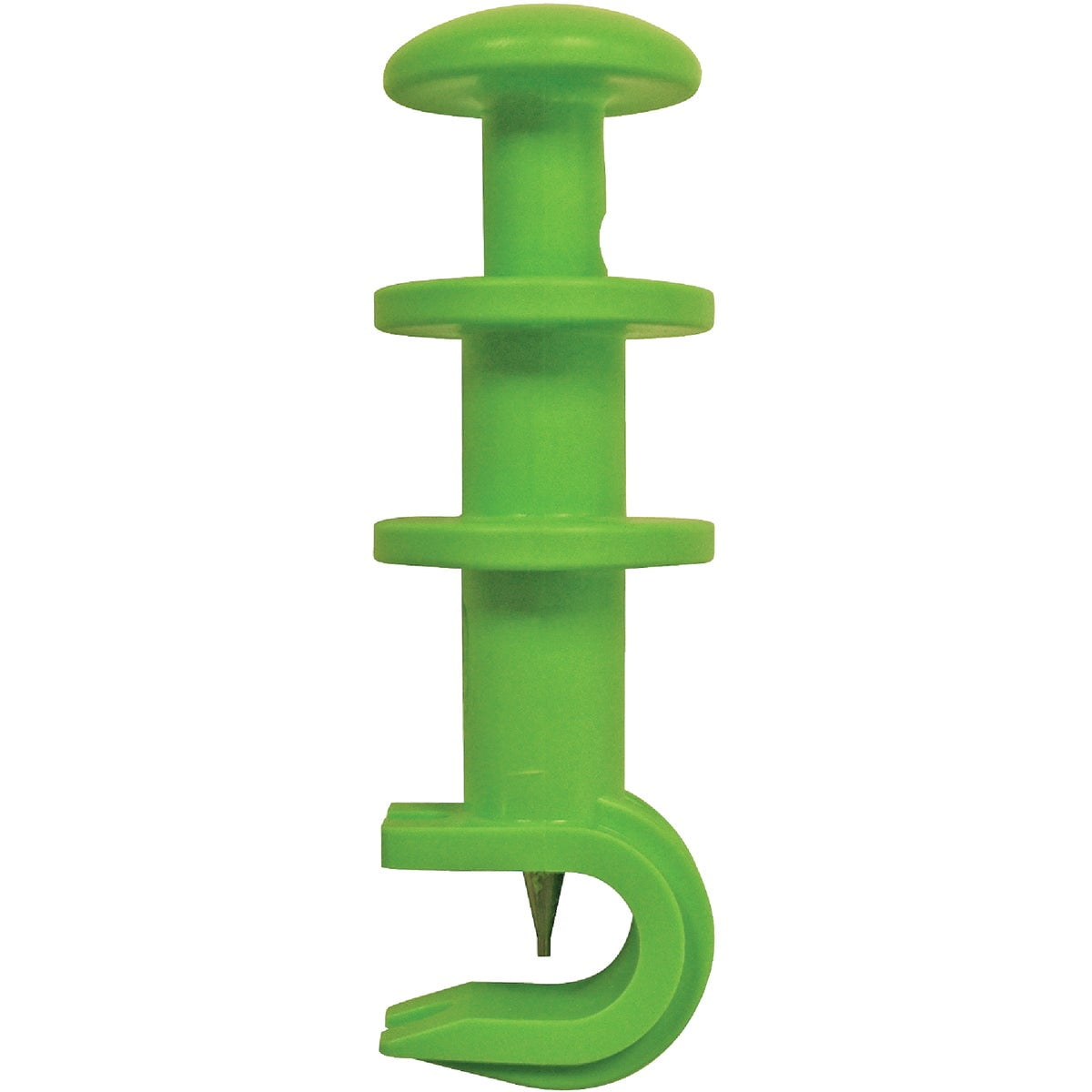
Hole Punch
| This tool is used to punch holes in 1/2" and 3/4" distribution line. Coupling barbs are inserted to attach smaller line to main line. |
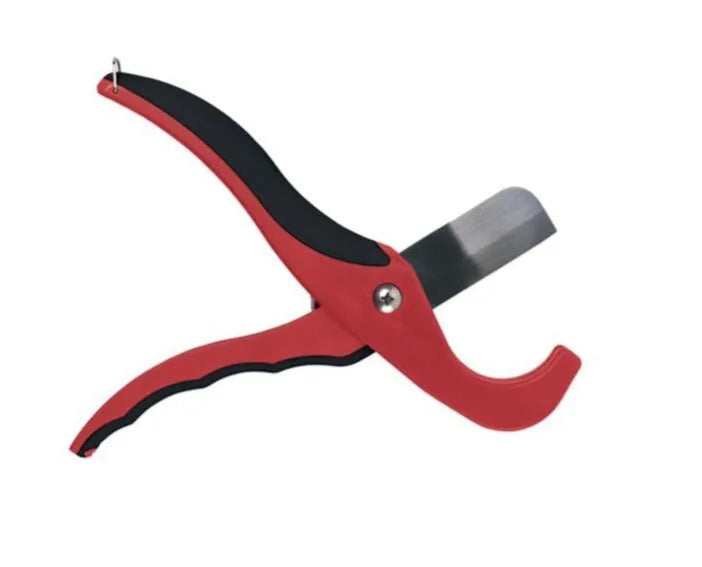
Pipe cutter
| This tool is used to cut tubing to a desired length. While standard scissors will do, these make cutting large line a lot easier and cleaner. |
Hopefully you're feeling a bit more familiar and comfortable with the parts and pieces. Now that your system is designed and in place, keep in mind maintenance and upkeep.
Routine Maintenance
- Check for leaks, broken tubing, and disconnected fittings.
- Verify emitters are functioning and delivering water.
- Inspect for clogged emitters and uneven plant health.
- Remove sediment from filters as needed.
- Confirm pressure regulators are functioning properly.
Seasonal Maintenance
- Flush emitter lines and distribution tubing. (Remove end caps, run water through hoses one zone at a time.)
- Replace damaged tubing.
- Adjust irrigation schedules based on seasonal weather conditions. (Smart schedule does this for you if enabled.
- Inspect for rodent, insect, or equipment damage.
- Verify adequate coverage for newly established plants.
Site Management
- Avoid placing heavy equipment, vehicles, or materials on top of dripline.
- Evaluate system performance after major storms, flooding, or erosion events.
- Monitor for freeze damage following winter conditions.